


Galouti Kebab: The Melt-in-Your-Mouth Marvel
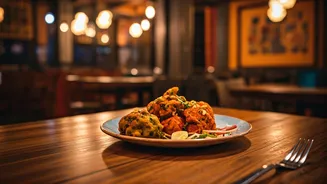
Born from a royal necessity, the Galouti Kebab is a testament to the culinary genius of Awadhi cuisine. [5] Legend has it that these kebabs were created for an ageing, toothless Nawab of Lucknow, Asaf-ud-Daula, who couldn't give up his love for meat.
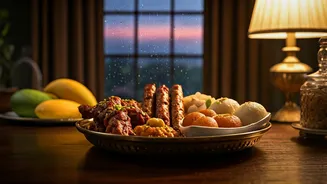
[5, 8] His chefs invented a kebab so soft it would melt in the mouth, requiring no chewing. [5] The name 'Galouti' itself comes from the word 'galawat,' which means softness. [5] Made from finely minced meat and a secret blend of up to 160 spices, these kebabs are pan-fried in ghee until they form a delicate crust while remaining impossibly soft inside. [12] Their smoky aroma and rich, complex flavour make them an unparalleled indulgence on a cool, rainy evening, offering a taste of Lucknow's regal past. [19]
Shahi Samosa: A Royal Twist on a Classic Snack
The humble samosa has a storied past, travelling from Central Asia to India centuries ago. [37] It was mentioned in the courts of the Delhi Sultanate, where nobles enjoyed a version stuffed with meat, ghee, and onion. [33] While the potato-filled version is a beloved street food, the 'Shahi' or royal samosa elevates this snack to a new level. Instead of just potatoes, the filling is a rich mixture of minced meat (keema), nuts like almonds and pistachios, and fragrant spices, reminiscent of the 'sambusak' served in the court of Muhammad bin Tughluq. [30, 33] The crispy, golden pastry gives way to a savoury, textured filling that is both hearty and luxurious, making it a perfect companion to a cup of hot chai as the rain pours down.
Mawa Kachori: A Sweet Jewel from Jodhpur
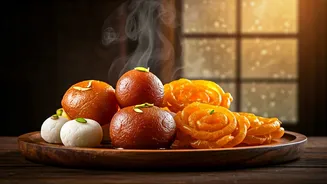
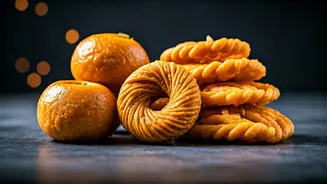
While most kachoris are savoury, this Rajasthani specialty from Jodhpur flips the script to create a decadent dessert fit for kings. [23] The Mawa Kachori is a crispy, deep-fried pastry filled with a rich mixture of 'mawa' (thickened milk solids), chopped nuts, and fragrant cardamom. [28, 29] After frying, this golden orb is soaked in a sweet sugar syrup, adding a glistening finish and another layer of sweetness. [28] Believed to have originated in the royal kitchens of Jodhpur, this sweet embodies the opulent and inventive spirit of Rajasthani cuisine. [23] The contrast between the crunchy exterior and the rich, slightly granular, and sweet filling is a true delight, offering a burst of warmth and energy on a gloomy monsoon day.
Ghevar: The Honeycomb Sweet of the Monsoon
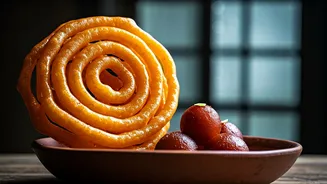
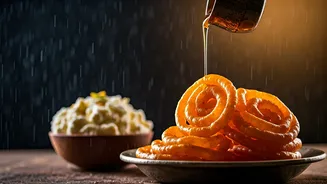
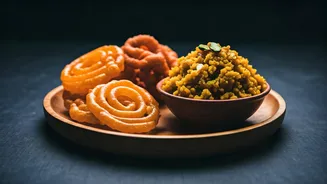
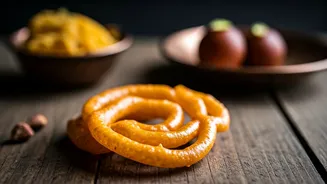
Ghevar is a quintessential Rajasthani sweet that is intrinsically linked with the monsoon season and the festival of Teej. [14, 20] This disc-shaped dessert has a unique, honeycomb-like texture, created by frying a flour batter in ghee. [15] Though popular in many forms, it was once considered a luxury sweet meant for the elite in Rajasthan. [17] The crisp, porous cake is traditionally soaked in sugar syrup and often topped with rabri (thickened sweet milk), mawa, or a scattering of nuts and saffron. [14, 15] Preparing Ghevar requires a humid climate for the right texture, making the rainy season the perfect time for its creation. [16] Its rich, sweet, and crunchy nature makes it an iconic indulgence to celebrate the arrival of the rains. [15]
Shahi Tukda: The Royal Bite of Bread
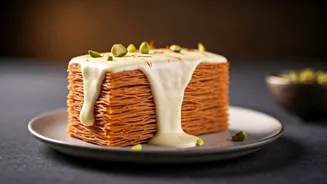
Literally translating to 'royal piece' or 'royal bite,' Shahi Tukda is a lavish bread pudding with roots in Mughlai cuisine. [4, 6] Its origins trace back to the Mughal era, where it was considered a dessert fit for emperors, created as a delicious way to use leftover bread. [4, 10] The preparation involves deep-frying bread slices in ghee until they are golden and crisp. [7] These fried pieces are then soaked in a fragrant sugar syrup and topped with a generous layer of thick, creamy rabri. [4, 7] Garnished with saffron and chopped pistachios and almonds, every bite is a rich, decadent experience. [7] The combination of crispy, syrup-soaked bread and cool, creamy rabri is pure comfort, making it the ultimate royal treat to conclude a rainy day feast.