







The Microwave Manifesto
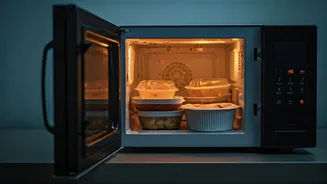
The microwave is often the epicentre of office kitchen conflict. The first rule is simple: cover your food. [13] No one wants to clean up the remnants of your exploded soup or pasta sauce. A splatter-free microwave is a happy microwave. [6] Secondly,
be mindful of odours. While your leftover fish or curry might be delicious, its scent can linger for hours, creating a less-than-pleasant environment for your colleagues. [10, 14] If you know your meal is particularly fragrant, consider enjoying it cold or choosing a different lunch for the office. [14] Finally, be considerate of time, especially during the peak lunch hour. If your meal requires a lengthy heating time, it might be best saved for a less busy moment. [13] And always, always wipe up any spills and reset the timer for the next person. [6]
The Refrigerator Accords
The shared office fridge is a marvel of modern work life, but it requires cooperation to function. The cardinal rule here is to label everything with your name and the date. [5, 7] This simple act prevents accidental consumption and helps identify items that have overstayed their welcome. [3] Space is at a premium, so only bring what you need for the day or two; don't use the office fridge as your personal long-term storage. [1, 3] Be a good citizen and don't just shove your items to the front, burying others' lunches in the back. If something spills, clean it up immediately. [2, 8] Leaks can cross-contaminate other foods and create a sticky, unhygienic mess. [2] Most offices have a policy for periodic fridge clean-outs—know when it is and remove your items beforehand to avoid having them tossed. [3, 9]
The Clean-Up Code
The most fundamental rule of any shared space is to leave it as clean as or cleaner than you found it. [1] This applies to every corner of the office kitchen. Wash your dishes promptly or place them in the dishwasher; don't leave them piled in the sink. [5] A sink full of dirty dishes is not only unsightly but can also attract pests. [6] Wipe down counters after you've prepared your food, sweeping up any crumbs or cleaning any spills. [1, 10] If you use the last of the coffee, brew a new pot. If you finish the paper towels, replace the roll. Taking responsibility for your own mess is a basic sign of respect for your colleagues. [10]
The Cold Lunch Alliance: Dodge the Drama Entirely
The simplest way to avoid microwave queues, scent-related side-eye, and general reheating drama is to opt for a lunch that doesn’t require heating at all. This is not a sentence to sad, soggy sandwiches. Think vibrant grain bowls, crisp salads in a mason jar, or flavourful pasta salads. [16] Wraps and pita pockets filled with chicken salad, hummus, and veggies are excellent no-heat options. [17, 21] You could also prepare bento-style boxes with components like hard-boiled eggs, cheese, crackers, fresh fruit, and nuts. [25] These meals are not only convenient and delicious but also allow you to completely bypass the potential chaos of the communal kitchen appliances. [11]
On the Matter of Food Theft
It is the most heinous of office crimes: the stolen lunch. [10] This can be more than just an inconvenience; for colleagues with specific dietary needs, allergies, or tight budgets, a stolen meal can be a serious issue. [18] While companies can and should have policies against theft, prevention is key. [18] Clearly labelling your food is the first line of defence. [3] Storing your lunch in an opaque, non-descript bag can also make it less appealing to a casual thief. [11] If the problem is persistent, you might consider keeping non-perishable items at your desk or even investing in a small, personal cooler bag. [11, 24] Avoid retaliatory measures like adding spicy ingredients, which can cause harm and escalate the situation. [18] If you know who the culprit is, a direct but non-confrontational conversation might be possible, but involving HR or a manager is often the safest route. [22]