





Beyond the Campsite Ghost Story
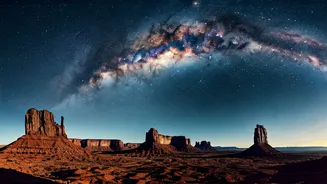
Noctourism, or “dark tourism,” is travel built around the night. While it can include everything from nocturnal wildlife tours to exploring cities after dark, its most powerful driver is the explosive interest in stargazing. For generations, the night sky
was a universal human experience. Today, it’s a luxury. According to researchers, more than 80% of North Americans live under light-polluted skies, unable to see the Milky Way. This has created a new kind of traveler: one who journeys not for sun and sand, but for darkness and celestial awe. They are flocking to remote destinations, armed with telescopes, binoculars, or just the naked eye, to reconnect with a cosmos that has been largely erased from modern life. This isn't just about astronomy; it's about reclaiming a sense of perspective and wonder.
The Search for Digital Detox and Awe
So, why the sudden boom? The rise of noctourism is deeply connected to our hyper-connected, over-stimulated lives. It represents a powerful form of digital detox. In a remote dark-sky park, cell service is often spotty or nonexistent, and the main attraction demands you put your screen away and simply look up. This enforced unplugging provides a mental reset that many travelers are desperately seeking. Furthermore, psychologists have long studied the power of “awe”—the feeling we get in the presence of something vast that transcends our understanding. Staring into a sky blanketed with thousands of stars triggers this emotion, which has been linked to reduced stress, increased generosity, and a greater sense of connection to the world. In an age of anxiety, the profound quiet and humbling scale of the universe offers a potent antidote.
America’s Dark Sky Sanctuaries
This growing demand has been met by a dedicated conservation movement. The International Dark-Sky Association (IDA) has been instrumental, certifying locations around the world that actively protect their night skies from light pollution. The U.S. is a leader in this movement, boasting dozens of International Dark Sky Parks, Reserves, and Communities. These sanctuaries are often located within national and state parks in places like Utah, Nevada, Texas, and Arizona. Parks such as Great Basin National Park in Nevada and Big Bend National Park in Texas are renowned for having some of the darkest skies in the country, attracting thousands of astro-tourists annually. These parks don't just happen; they require community buy-in, modified lighting ordinances, and a commitment to preserving the night. Becoming a certified Dark Sky Place is now a badge of honor that draws visitors from across the globe.
An Economic Bright Spot for Remote Towns
For the rural communities that often border these dark-sky havens, noctourism is a welcome economic engine. While traditional tourism is seasonal and day-focused, stargazing brings in visitors after dark and throughout the year. It creates a new revenue stream for small towns, supporting hotels, restaurants, and guide services. Entrepreneurs are launching businesses centered on the night, from guided telescope tours to astrophotography workshops. In places like Westcliffe and Silver Cliff, Colorado—the state's first designated International Dark Sky Community—the commitment to darkness has revitalized the local economy. By turning a natural, often-overlooked asset into their main attraction, these communities have built a sustainable tourism model that doesn't require massive infrastructure, just a commitment to turning the lights down.