







The Trouble with Polished White Rice
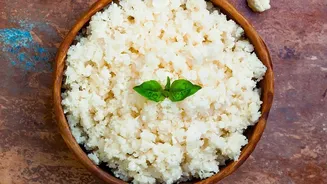
Polished white rice is a staple in Indian households, loved for its taste and versatility. However, the polishing process strips away the bran and germ, removing most of its natural fiber, vitamins, and minerals. What's left is a simple carbohydrate that
digests quickly, often leading to a rapid spike in blood sugar levels. This can be a concern for those managing their weight or blood sugar. While it's a quick source of energy, its low fiber content means it's less filling, which can sometimes lead to overeating.
Introducing the Millet Makeover
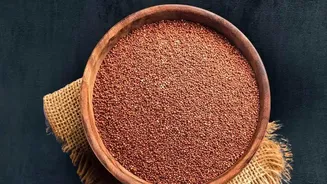
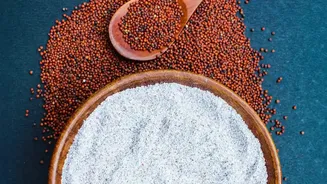
Enter millets, a group of ancient grains that are making a well-deserved comeback. These small-seeded grasses are nutritional powerhouses, naturally gluten-free, and packed with fiber, protein, and essential minerals. Unlike polished rice, millets are whole grains that digest slowly, providing sustained energy and promoting a feeling of fullness. Two excellent options to start with are foxtail millet (kangni) and sorghum (jowar).
Foxtail Millet (Kangni): The Smart Grain
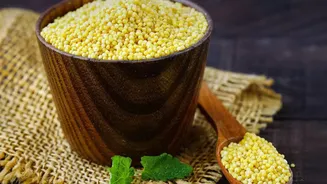
Foxtail millet, known as kangni or thinai, is a fantastic choice for those looking to manage blood sugar. It has a low glycemic index (GI), which means it releases sugar into the bloodstream slowly and steadily. This prevents the sudden energy crashes associated with high-GI foods. Rich in protein and iron, foxtail millet is also a good source of dietary fiber, which aids digestion and helps you feel full for longer. Studies have even shown that replacing rice with foxtail millet can lead to lower post-meal blood sugar levels. Its texture is light and fluffy when cooked, making it a seamless substitute for rice in dishes like pulao, lemon rice, or simply as a side to your favourite curries.
Sorghum (Jowar): The Heart-Healthy Choice
Sorghum, or jowar, is another versatile and nutrient-dense millet. It is celebrated for being gluten-free and an excellent source of protein, dietary fiber, and iron. A single serving of jowar can provide a significant portion of your daily recommended fiber intake, which is crucial for digestive health and preventing constipation. Sorghum is also packed with antioxidants and essential minerals like magnesium and potassium, which contribute to heart health by helping regulate blood pressure. When cooked, whole sorghum grains have a chewy texture and a nutty flavor, similar to pearl barley, making them a hearty addition to salads, soups, and grain bowls.
How to Cook Your Millet Rice Swaps
Making the switch is easier than you think. Both foxtail millet and sorghum can be cooked similarly to rice. For Foxtail Millet (Kangni): Start by rinsing the millet thoroughly. Soaking it for 20-30 minutes is recommended to improve its texture and reduce cooking time. Use a ratio of 1 cup of millet to 2 or 2.5 cups of water. Bring it to a boil, then reduce the heat, cover, and simmer for about 15-20 minutes, or until the water is absorbed and the grains are fluffy. For Sorghum (Jowar): Sorghum grains are harder and benefit from soaking overnight to soften them. To cook, use a ratio of 1 cup of sorghum to 3 cups of water. Bring to a boil on the stovetop, then simmer for about 50-60 minutes until tender. A pressure cooker can significantly cut down the cooking time.