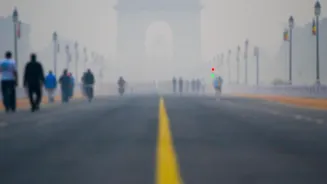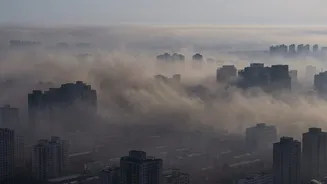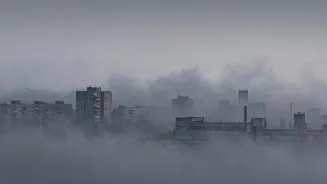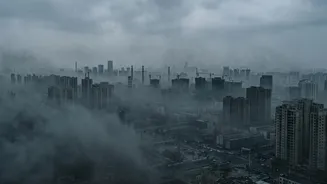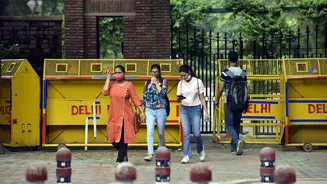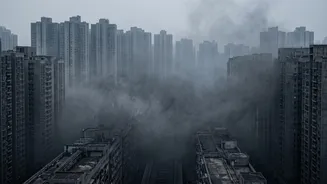





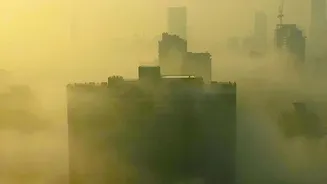
For millions in Delhi, winter's arrival no longer signals just cold weather, but the start of 'pollution season'. Beyond the hazy skylines and alarming AQI numbers lies a daily battle that reshapes life in the city in profound ways.
The Daily Health Gamble
The day for many in
Delhi begins not with a glance at the weather, but with a check of the Air Quality Index (AQI). This number dictates the day's activities: can children play outside, is it safe to go for a walk, should the windows remain shut? What was once unconscious—breathing—has become a conscious, calculated risk. Doctors report that it's no longer just the elderly or those with pre-existing conditions who are suffering. Healthy individuals, including young adults, are increasingly presenting with persistent coughs, throat irritation, and respiratory discomfort after exposure to the toxic air. This constant physical assault ranges from itchy eyes and headaches to more severe issues, making every breath feel like a gamble on one's long-term health.
A Crisis Beyond a Cough
The immediate symptoms are concerning, but the long-term effects are what truly frighten residents and medical experts. Doctors warn that prolonged exposure to high levels of PM2.5—fine particulate matter that can enter the bloodstream—is linked to chronic respiratory diseases, heart conditions, and even lung cancer. In Delhi, this is not a distant threat but a present reality. Studies have shown a terrifying impact on the city's youngest residents, with an estimated 2.2 million children suffering from irreversible lung damage due to air quality. The pollutants are also linked to an increased risk of stroke and dementia, with new research suggesting exposure can accelerate brain ageing. This transforms the seasonal smog from a temporary inconvenience into a public health crisis that could affect a generation for their entire lives.
The Invisible Mental Burden
The impact of Delhi's air pollution extends beyond the physical, seeping into the mental and emotional wellbeing of its citizens. The constant confinement indoors, especially during peak pollution months from October to February, leads to feelings of claustrophobia and isolation. Psychologists note a rise in 'pollution anxiety', where the inescapable threat and perceived lack of control contribute to heightened stress, irritability, and even depression. The inability to engage in normal outdoor activities, from exercise to social gatherings, erodes the quality of life and adds to a sense of frustration and helplessness. For parents, this anxiety is compounded by the worry for their children's health, with some families even considering relocating to provide their children with the basic necessity of clean air.
An Unequal Fight for Clean Air
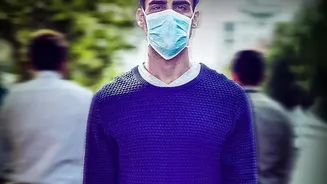
While the toxic air affects everyone, the ability to mitigate its effects is a matter of economic privilege. The fight for clean air has created a stark divide. Those who can afford it invest in multiple air purifiers for their homes and cars, don expensive N95 masks, and have the option to work from home or even leave the city during the worst periods. However, a vast majority of the population does not have these luxuries. Daily wage labourers, street vendors, delivery personnel, and countless others have no choice but to work outdoors, breathing in the hazardous air for hours on end. This inequality means that the city's most vulnerable populations bear the heaviest health burden, turning air pollution into not just an environmental issue, but a profound social justice crisis. A recent survey highlighted this anxiety, with nearly 73% of residents worried about affording medical treatment for pollution-related ailments.