



Understanding Karat: The Basics of Purity
Before comparing 22K and 24K, it's essential to understand what 'karat' means. Karat (K) is the unit used to measure the purity of gold. Pure gold is extremely soft and malleable, making it unsuitable for crafting durable jewellery. To increase its strength,
gold is mixed with other metals like copper, silver, zinc, or nickel. The karat number tells you how many parts of gold are present out of a total of 24 parts. This simple measure is the first indicator of your gold's value and suitability for your needs.
24K Gold: The Purest Form
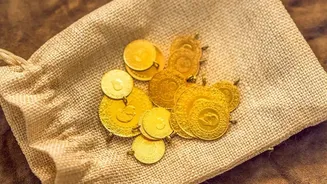
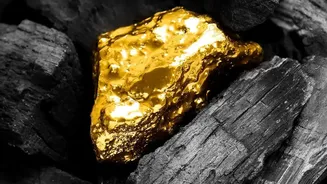
24K gold is the purest gold you can buy, with a purity of 99.9%. Because it contains no added alloys, it has a distinct, bright yellow colour and is the most valuable form by weight. However, this purity comes with a downside: softness. 24K gold is prone to scratching, bending, and deforming, making it impractical for everyday jewellery. For this reason, it is almost exclusively used for investment purposes, such as in the form of gold coins and bars, where durability is not a primary concern. If your goal is pure investment with the highest intrinsic value, 24K gold is the ideal choice.
22K Gold: The Jeweller's Standard
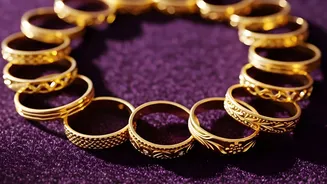
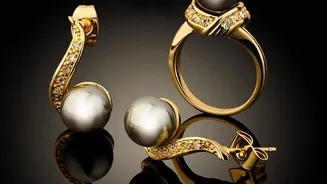
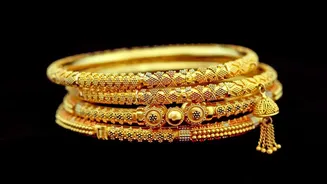
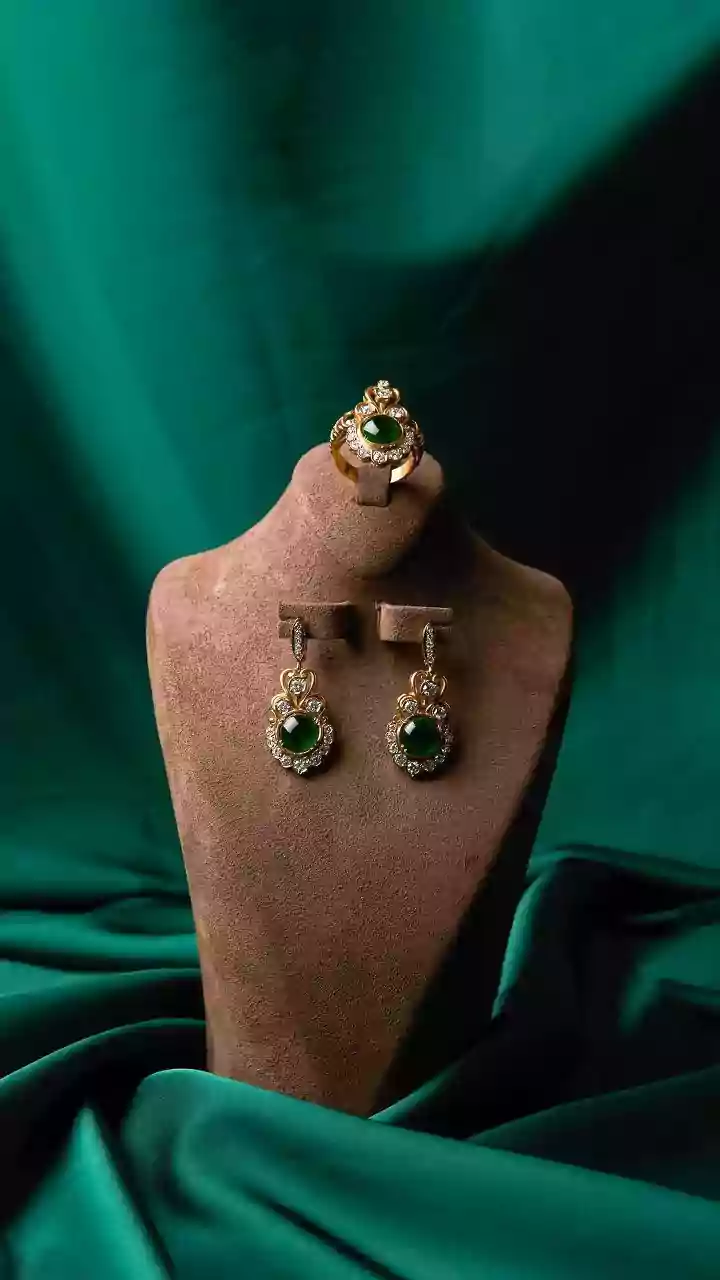
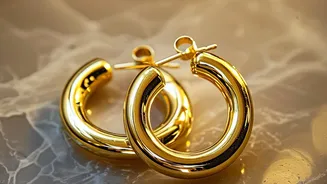
22K gold, also known as '916 gold', consists of 22 parts gold and 2 parts other metals, making it 91.67% pure. This blend of metals makes 22K gold significantly more durable and harder than its 24K counterpart. This added strength allows jewellers to create intricate and sturdy designs that can withstand daily wear. It retains a rich golden hue while offering the resilience needed for crafting everything from bangles and necklaces to earrings. Across India, 22K gold is the preferred choice for traditional and wedding jewellery due to this perfect balance of high purity and practical strength.
The Essential Checklist Before You Buy
Whether you choose 22K for adornment or 24K for investment, a few checks are non-negotiable. First and foremost, look for the BIS Hallmark. This certification from the Bureau of Indian Standards guarantees the gold's purity and has been mandatory for jewellers in India since 2021. A complete hallmark includes the BIS logo, the purity grade (like 22K916), and a unique Hallmark Unique Identification (HUID) number. This mark is your most reliable proof of authenticity and ensures you are not being cheated. Always ask for a bill that clearly itemises the gold's rate, weight, making charges, and GST.
Decoding Making and Wastage Charges
The final price of gold jewellery isn't just the value of the gold itself. A significant component is the 'making charge', which is the cost of labour and craftsmanship to turn raw gold into an ornament. These charges can range from 8% to over 25% of the gold's value, depending on the complexity of the design. Some jewellers may also include 'wastage charges', which are often part of the making charge. It's important to know that these charges are often negotiable. Since you don't recover making charges upon resale, keeping them low is key to a better investment. Always compare these charges between different jewellers.
Coins vs. Jewellery for Investment
If your primary goal is financial return, gold coins are almost always the superior choice. Coins, typically made of 24K gold, have very low making charges (often 1-4%) compared to jewellery. When you sell jewellery, you lose the amount paid for making charges, plus any value attributed to semi-precious stones. With coins, the resale value is almost entirely based on the prevailing gold price for its weight and purity. While jewellery offers the joy of being worn, coins offer better liquidity and a more direct, efficient investment in the precious metal itself.