

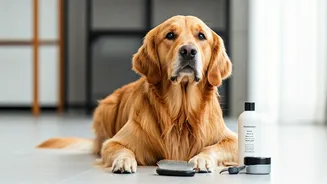


The Hidden Dangers of a Damp Coat
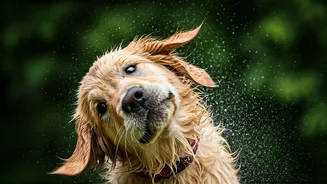
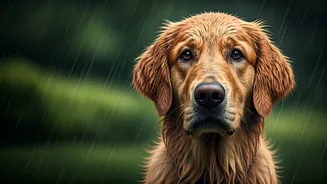
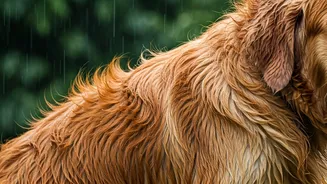
While a little rain seems harmless, fur that remains damp creates a warm, humid micro-environment right against your pet's skin. This is the perfect condition for bacteria and fungi to thrive. [5, 13] The Indian monsoon, with its high humidity often exceeding
80%, makes it incredibly difficult for a pet's coat, especially a thick undercoat, to dry on its own. [5, 15] This trapped moisture can lead to a host of painful and irritating skin issues, including fungal infections like ringworm, yeast infections (Malassezia dermatitis), and severe bacterial infections known as hot spots (acute moist dermatitis). [12, 13, 14] These conditions can appear suddenly and cause significant discomfort, turning your pet's season of pleasant weather into one of constant scratching and vet visits. [13]
Master the Post-Walk Drying Ritual
The single most important habit to adopt during the monsoon is drying your pet thoroughly after every single walk, even if they only got slightly wet. [5] Letting a pet air-dry is not an option in this humid weather. [7] Start with a highly absorbent microfiber towel, which soaks up more water than standard cotton towels. [2, 17] Instead of rubbing vigorously, which can cause matting and tangles, press the towel firmly into the fur to blot out moisture. [2] Pay special attention to often-missed spots like the belly, armpits, paws, and ears. [4, 5] For dogs with long or double coats, a towel alone won't be enough. Invest in a pet-specific blow dryer, which uses low heat and high-velocity air to safely dry the undercoat without harming their sensitive skin. [2, 5]
Gear Up for the Rainy Season
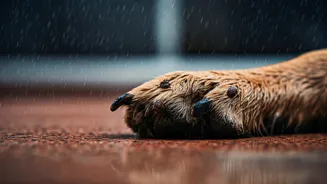
A few smart purchases can make monsoon walks much more manageable. A well-fitted waterproof raincoat is your first line of defence, significantly reducing the amount of fur that gets wet in the first place. [4, 17] This not only saves you drying time but also keeps your pet more comfortable during their walk. For paw hygiene, which is critical, consider waterproof booties to protect paws from muddy, contaminated water. [4] After every walk, their paws must be cleaned and dried thoroughly to prevent fungal growth between the toes. [8] Keeping a stack of old towels and a designated drying station near your entrance can help contain the mess before it tracks through your home. [4]
Grooming Becomes Non-Negotiable
Regular grooming is more than just about looking good; in the monsoon, it's a crucial health practice. [10] Daily brushing is essential, especially for long-haired breeds, as it helps remove debris, prevent mats that trap moisture, and improve air circulation to the skin. [6, 8] Keeping your pet’s coat trimmed shorter during these months can also be a huge help, as it reduces the amount of water the fur can hold and makes drying much faster. [10] Pay special attention to trimming the hair between paw pads to prevent mud and moisture from getting trapped. [8] While it may seem counterintuitive, avoid over-bathing, which can strip the skin of its natural oils and weaken its defensive barrier. Bathe only when necessary with a mild, vet-recommended shampoo. [6]
Know the Warning Signs of Skin Trouble
Even with preventative care, some pets are simply more prone to skin issues. Being vigilant allows you to catch problems early before they escalate. Watch for persistent scratching, licking, or chewing at a specific spot. [5] Other red flags include red or inflamed patches of skin, hair loss, scaly or crusty areas, and any sores or oozing. [5, 9] Don't ignore a change in your pet's smell; a musty, yeasty, or foul odour that lingers after drying is often the first sign of a fungal or bacterial overgrowth. [18] If you notice any of these symptoms, it's time to consult your veterinarian for a proper diagnosis and treatment plan. [6]