






The Great Protein Count-Up
Walk into any gym or scroll through a fitness feed, and the conversation quickly turns to numbers. Are you getting 1.6 grams of protein per kilogram of body weight? Did you hit your 30-gram per meal target? This focus on quantity isn't entirely baseless.
Protein is a crucial macronutrient, essential for building and repairing tissues, supporting our immune system, and maintaining muscle mass, especially for active individuals and older adults. This has fueled a massive market for protein-fortified foods, from cereals and bars to even water, as people strive to meet these daily targets. However, this laser focus on the total number of grams consumed each day is now being questioned by nutrition scientists, who argue that it oversimplifies a much more complex process.
The Shift from Quantity to Quality
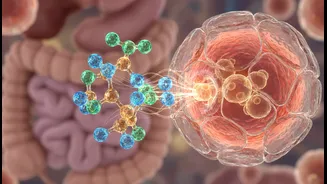
The new consensus brewing in the world of nutrition is that protein quality can be as important, if not more so, than sheer quantity. Think of it like fueling a car. You can have a full tank of fuel, but if the fuel is poor quality, the engine won't run efficiently. Similarly, your body needs high-quality protein to perform its functions optimally. This quality is determined by two main factors: the protein's amino acid profile and its bioavailability, which is how well your body can digest and absorb it. Recent workshops and papers from international protein researchers are emphasizing that we need to look beyond the label and understand what our protein is made of.
What 'Quality' Protein Really Means
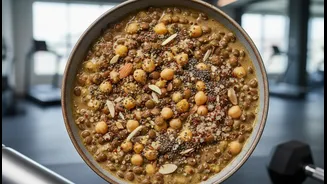
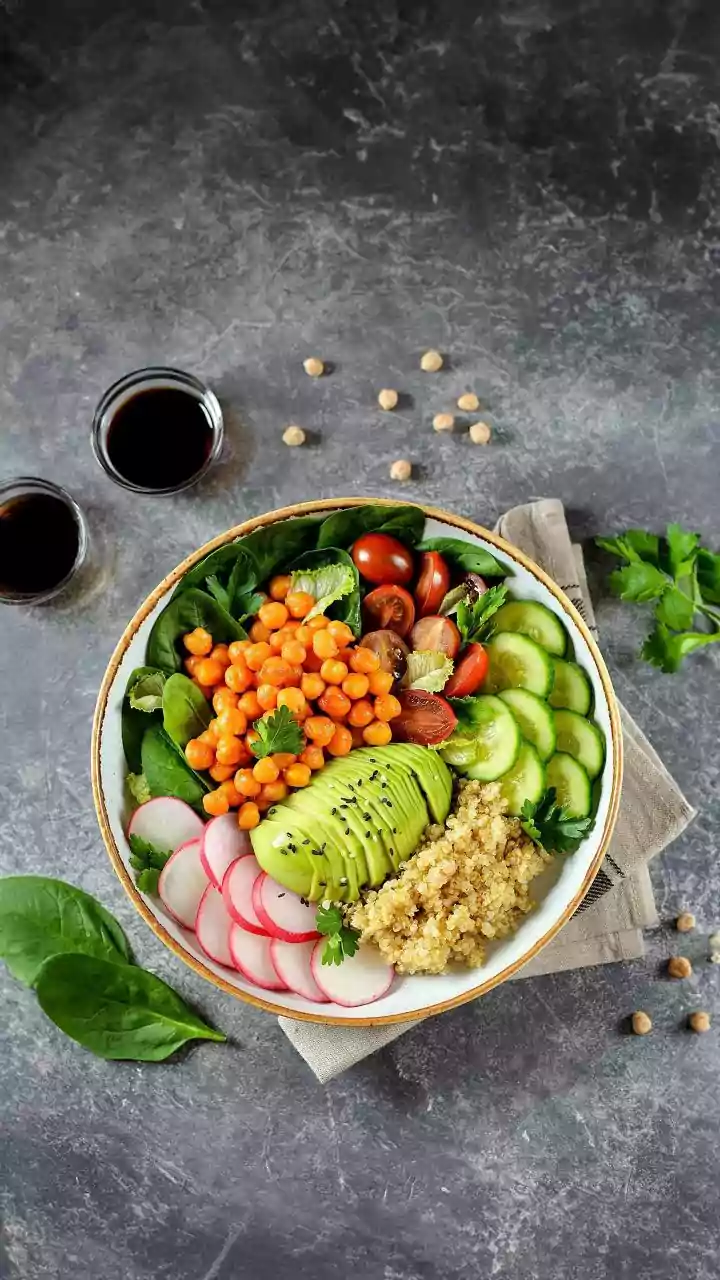
Proteins are made up of building blocks called amino acids. There are twenty in total, but nine are considered "essential" because our bodies can't produce them; we must get them from our diet. A high-quality or 'complete' protein contains all nine of these essential amino acids in sufficient amounts. Animal-based proteins like meat, fish, eggs, and dairy are generally considered high-quality complete proteins. Most plant-based proteins, on the other hand, are 'incomplete,' meaning they are low in one or more essential amino acids. For example, beans are often low in the amino acid methionine, while rice is low in lysine. This doesn't make plant proteins inferior, but it does mean that variety is key. By combining different plant sources—like the classic Indian pairing of dal (lentils) and rice—you can create a complete amino acid profile, ensuring your body gets all the building blocks it needs.
Beyond Grams: Timing and Food Matrix Matter
The conversation is evolving even beyond quality. Researchers are also looking at protein distribution throughout the day. Instead of consuming the bulk of your protein in one large meal, some studies suggest that spreading your intake more evenly across breakfast, lunch, and dinner could be more effective for muscle protein synthesis. The 'food matrix'—meaning the other nutrients you eat with your protein—also plays a role. For instance, a recent study showed that a meal of rice and beans stimulated muscle building less effectively than an equivalent amount of protein from lean pork, possibly because the high carbohydrate load slowed down amino acid absorption. This highlights that how and when you eat your protein can be just as important as how much you eat.
A Smarter, Less Obsessive Approach
So, what does this mean for your daily routine? It doesn't mean you should throw out your protein powder or stop being mindful of your intake. Instead, it’s about shifting your focus. Rather than obsessively tracking every gram, prioritize eating a variety of high-quality protein sources throughout the day. If you follow a plant-based diet, be intentional about combining different foods like legumes, grains, and seeds to ensure you get a full range of essential amino acids. Focus on whole foods over highly processed, protein-fortified snacks. A bowl of dal, a serving of paneer, or a couple of eggs will often provide more nutritional value than a 'protein-enriched' cookie. The goal is to nourish your body effectively, not just to hit a number on an app.