







The Science of Your Inner Clock
Deep inside your brain is a master clock known as the circadian rhythm. It’s a 24-hour cycle that tells your body when to feel alert, when to eat, and when to sleep. This natural process is powerfully influenced by environmental cues, especially light.
But modern life—with its constant screen time, late-night work emails, and erratic schedules—throws this delicate system into chaos. The result is what many workers experience as burnout: fatigue, poor sleep quality, and a feeling of being constantly jet-lagged without ever leaving home. A circadian reset trip is designed to systematically recalibrate this internal clock.
Beyond a Simple Digital Detox
While turning off your phone is part of the solution, a true circadian reset is far more structured than a simple digital detox. These programs, often guided by wellness specialists, focus on three core pillars. The first is light exposure management. This involves maximizing bright, natural light in the morning to signal 'wake up' to your brain and minimizing artificial light, especially blue light from screens, in the evening. The second is meal timing. Eating in alignment with your body's clock can improve metabolism and support sleep. Finally, activities are scheduled to sync with your energy cycles, such as invigorating morning movement and calming evening practices like meditation or breathwork.
Crafting Your Personalized Reset
The 'boutique' aspect of these resorts is where customization comes in. Unlike one-size-fits-all programs, these retreats often begin with a personalized consultation or assessment to understand your specific challenges. Are you a 'night owl' who can't fall asleep? Or do you wake up with anxiety at 3 a.m.? Based on your needs, a tailored program is created. This could mean a specific schedule for light therapy sessions, a personalized menu rich in nutrients that support melatonin production, or one-on-one coaching in stress-management techniques. Some high-end retreats even offer medical-led diagnostics to get to the root of sleep disturbances.
The Power of Place: Why Hills and Boutique Settings
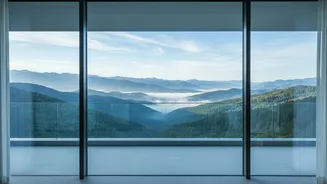
The location is no accident. Hill stations offer key environmental advantages. The higher altitude can, after an initial adjustment period, stimulate the body to use oxygen more efficiently, potentially leading to deeper, more restorative sleep. More importantly, these remote, natural settings provide what cities can't: profound quiet, naturally dark nights free from light pollution, and clean air. A boutique hotel environment complements this perfectly. With fewer guests, the experience is inherently more serene and personalized. The focus is on creating a low-stimulus, tranquil sanctuary where the nervous system can finally switch out of 'fight or flight' mode and begin to heal.
What a Typical Day Looks Like
A day on a circadian reset might start with a guided sunrise hike to soak in the morning light, followed by a protein-rich breakfast at a set time. The afternoon could involve quiet time for reading or a restorative spa treatment like a massage designed to calm the nervous system. As evening approaches, the environment shifts. In-room lighting might automatically dim and warm in color, mimicking a natural sunset. Dinner is served early, and guests are encouraged to disconnect from devices. The day might end with a guided meditation or sound bath, preparing the body for a truly deep and uninterrupted night's sleep in a room optimized for darkness and quiet.