



A Stand Against Sameness
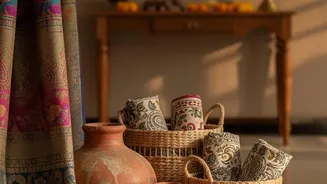
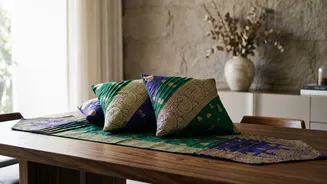
The primary appeal of handmade decor lies in its inherent uniqueness. Unlike items that roll off a factory assembly line by the thousand, no two handcrafted pieces are ever identical. These slight variations—a subtle difference in glaze on a ceramic vase,
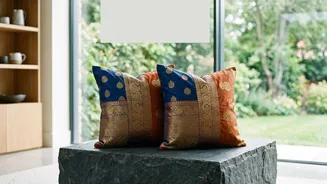
the specific grain in a wooden table, or the particular weave of a textile—are not flaws. They are signatures of the human hand, tangible proof that an artisan, not a machine, crafted the object. For homeowners curating a personal style, this originality is invaluable. It allows them to create a space that cannot be replicated, ensuring their home is a true reflection of their individual personality, not a page from a catalogue.
More Than Just an Object
When you buy a handmade item, you are acquiring more than just a piece of decor; you are inviting a story into your home. Each handcrafted object carries the narrative of its creator—their skill, tradition, passion, and time. Many artisans use techniques passed down through generations, connecting your modern living room to a rich cultural heritage. This connection fosters a deeper emotional bond with our belongings. A simple ceramic bowl becomes a conversation starter when you know the story of the potter who shaped it. This narrative layer adds depth and soul to a home, transforming it from a collection of things into a space filled with meaning and history.
The Feel of Real Quality
There is a tangible difference in the quality of handmade goods. Artisans often select superior, natural, or locally sourced materials and are deeply invested in their own reputation for craftsmanship. Their focus is on creating a durable, lasting piece, in contrast to mass production's emphasis on minimizing costs. This dedication to quality is evident in the attention to detail—the careful joinery, the meticulous stitching, the flawless finish. Homeowners are increasingly willing to invest in pieces that are built to last, seeing them not as disposable trend items but as future heirlooms. This 'buy less, but buy better' philosophy is a cornerstone of the move towards artisan decor.
Decor with a Conscience
The shift towards handmade is also driven by a growing desire for more conscious and ethical consumption. Choosing artisan-made products is often a more sustainable choice. Small-batch production typically has a smaller carbon footprint, using less energy and creating less waste than industrial manufacturing. Furthermore, buying from artisans supports small businesses, local economies, and the preservation of traditional skills that might otherwise be lost. For many, decorating their home is an extension of their values. Filling a space with ethically sourced, eco-friendly items allows them to create an environment that not only looks good but also feels good on a moral level.
An Extension of Self
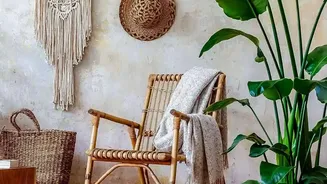
Ultimately, curating a home with handmade decor is a deeply personal and creative act. It empowers homeowners to become storytellers, weaving together different textures, histories, and forms to create a layered and authentic environment. The process is a journey of discovery, finding pieces that resonate on a personal level. Psychologists note that people form stronger attachments to objects that show evidence of human effort, a phenomenon that explains the satisfaction derived from owning handmade goods. A home filled with such pieces moves beyond mere aesthetics; it becomes a sanctuary of self-expression, a comfortable and engaging space that genuinely reflects who you are.