


Start with a Thin, Fitted Base
The foundation of any successful layered outfit is the piece closest to your skin. If your first layer is bulky, every subsequent layer will have to fight for space, resulting in a puffy silhouette. Always begin with a thin, smooth, and relatively fitted
base layer, such as a fine-knit turtleneck, a simple long-sleeve tee, or a cotton tank top. This ensures that the layers you add on top will drape cleanly without bunching up. For traditional Indian wear, this could be a simple, lightweight cotton or silk slip under your kurta.
Prioritise Fabric Weight and Texture
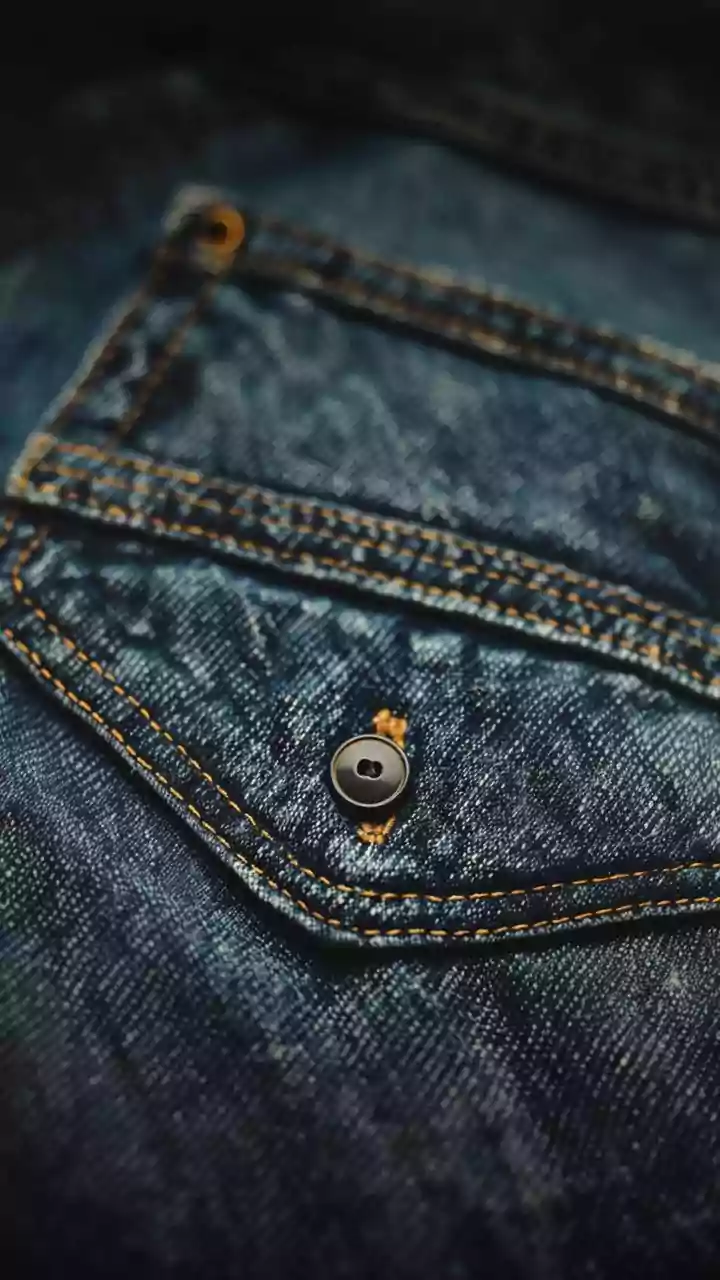
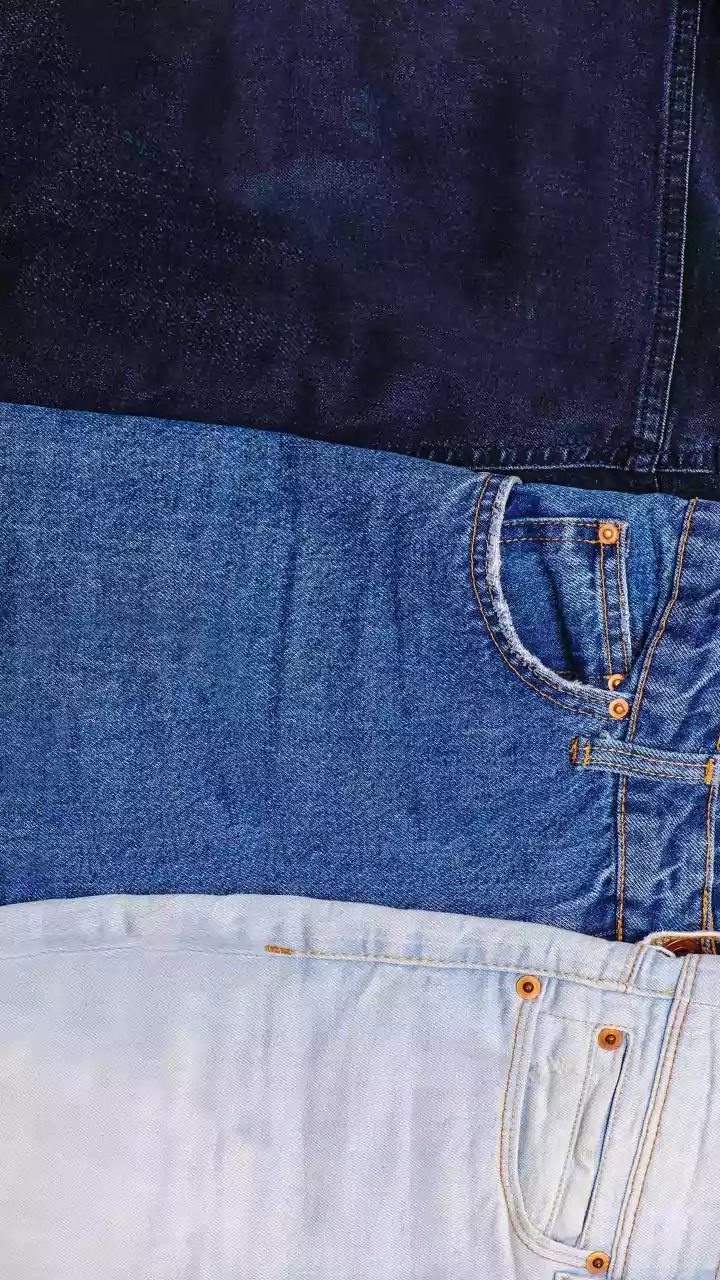
A common mistake is piling on multiple heavy fabrics. Instead, think from thin to thick. Your innermost layers should be the lightest, with each subsequent layer getting progressively heavier. For example, try a silk kurta under a fine-gauge wool cardigan, topped with a structured cotton or denim jacket. Mixing textures also adds visual interest without adding physical weight. A combination of a smooth fabric, a soft knit, and a structured outer layer creates depth and prevents the outfit from looking flat.
Create a Column of Colour
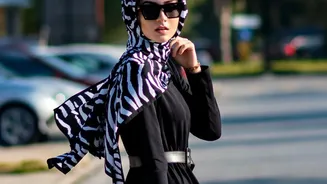
One of the most effective slimming tricks is to create an unbroken vertical line with your clothing. Wearing a single colour from top to bottom, such as a black kurta paired with black trousers, creates a continuous line that the eye follows vertically, making you appear taller and leaner. You can then add a longer, open outer layer like a contrasting duster coat or longline jacket. This open layer creates two more vertical lines down the front of your body, further enhancing the elongating effect.
Define Your Waistline
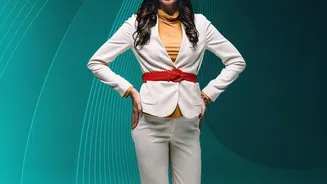
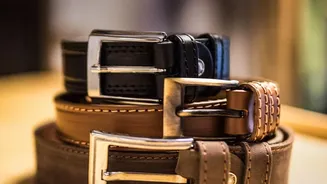
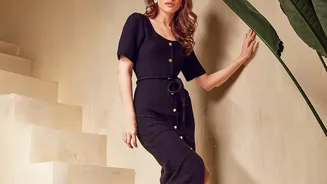
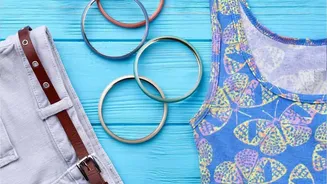
Long, loose layers can sometimes hide your shape, making you look boxy. The simplest way to combat this is to reclaim your waist. Adding a belt over a long tunic, kurta, or even over a sweater can instantly create a more flattering silhouette. You don’t even need a traditional belt; a tie-waist cardigan, a coat with a built-in sash, or even the strategic placement of a crossbody bag can create definition. This small adjustment prevents the outfit from becoming shapeless.
Play with Proportions and Hemlines
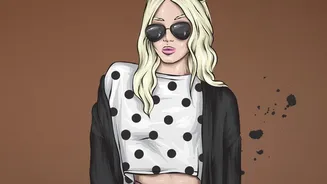
The relationship between the lengths of your layers is crucial. Avoid having all your layers end at the same point, as this can create a thick, horizontal band across your body. Instead, let your hemlines be staggered. A shorter jacket over a longer tunic, or a long cardigan over a top and trousers, creates visual separation and a more dynamic look. The principle of volume is also important: if you’re wearing a voluminous piece on top, keep the bottom half slim and fitted, like pairing a flowy long jacket with straight-leg pants or leggings.
Utilise Asymmetry and Slits
Garments with built-in shape and movement are your allies in layering. Kurtas and tunics with high side slits are perfect for layering because they break up the block of fabric and allow for movement, showing glimpses of the trousers or palazzos underneath. Asymmetrical hemlines serve a similar purpose, creating diagonal lines that are more dynamic and flattering than straight horizontal ones. These design details prevent the outfit from looking heavy and static, adding an element of effortless style.