




A Shift Towards Mindful Consumption
In a world saturated with fast fashion, a growing number of urban consumers are seeking authenticity and sustainability. Handloom textiles offer a powerful alternative. Produced on looms powered by human hands, they have a minimal carbon footprint and often
use natural fibres and dyes. This process stands in stark contrast to industrial manufacturing, which is notorious for its environmental impact. For many, choosing a handwoven garment or decor piece is a vote for a greener planet. It’s a conscious decision to value quality over quantity, supporting a 'slow fashion' ethos that prioritizes durability and timeless style. This shift is not just about eco-friendliness but also about a deeper connection to the products we buy, knowing they were made with skill and care.
The Designer-Artisan Renaissance
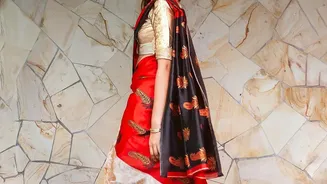
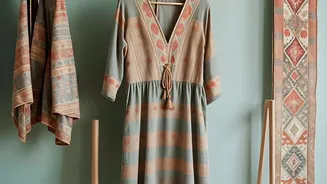
Leading Indian fashion designers have become crucial ambassadors for handloom crafts. They are collaborating with artisan clusters across the country, from Varanasi to Kutch, to reinterpret traditional weaves for the modern wardrobe. By blending age-old techniques with contemporary silhouettes, designers are making handloom more accessible and appealing to a younger, fashion-forward audience. Think of breezy Chanderi kaftans, sharp Ikat jackets, or minimalist Jamdani tunics that fit perfectly into an urban professional’s life. These collaborations are mutually beneficial: designers gain access to unparalleled craftsmanship, while artisans get exposure to new markets and design inputs that ensure their skills remain relevant.
The Digital Loom: E-commerce and Social Media
Technology has paradoxically become the handloom sector's greatest ally. E-commerce platforms and social media have democratized access, connecting weavers directly with customers and cutting out intermediaries. Websites and Instagram pages now function as digital galleries, showcasing the intricate process and telling the story behind each fabric. An artisan in a remote village can now sell their creations to someone in a bustling metropolis or even across the globe. This digital bridge empowers artisan communities, providing them with greater economic agency and a platform to preserve their heritage. For consumers, it offers transparency and the ability to buy authentic products directly from the source.
An Expression of Identity and Heritage
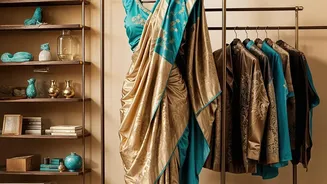
Beyond sustainability and style, the handloom revival is deeply connected to a renewed sense of cultural pride. For many urban Indians, wearing handloom is a way to connect with their roots in a tangible way. Each weave, whether it's a Banarasi brocade or a simple Khadi, carries with it generations of history and regional identity. In a globalized world, these textiles offer a unique form of self-expression that is both personal and deeply Indian. They are no longer just fabrics but stories worn on the sleeve—a celebration of heritage that feels both timeless and incredibly current. This embrace of handloom signifies a move towards defining a modern Indian aesthetic that is confident, authentic, and proud of its rich legacy.