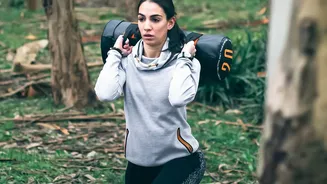








Gear Up: Dress for Wet Success
The golden rule for rainy-season workouts is to avoid cotton. Cotton absorbs water, becoming heavy and cold against your skin. Instead, opt for synthetic, moisture-wicking fabrics like polyester or nylon for your base layer. These materials pull sweat
away from your body and dry quickly. Over this, a lightweight, waterproof, yet breathable jacket is essential. Look for one with sealed seams to keep the rain out without trapping too much heat. For your lower body, compression tights or running shorts can help prevent the uncomfortable chafing that humidity and wet clothes often cause.
Step Safely: Footwear and Traction
Slippery surfaces are one of the biggest hazards when exercising in the rain. Your regular running shoes might not have the grip needed for wet pavements and trails. Invest in footwear with anti-slip rubber soles that offer enhanced traction on wet terrain. Shoes with water-repellent uppers are a bonus, but the main priority is grip to prevent slips and falls. After your workout, be sure to dry your shoes completely to prevent fungal growth and unpleasant odours. Stuffing them with newspaper is a classic trick that helps absorb moisture quickly.
Visibility Is Your Best Defence
Rainy weather often means grey skies and poor visibility, making it harder for drivers and others to see you. Make yourself as visible as possible by wearing brightly coloured or neon apparel. Many athletic jackets and gear come with built-in reflective elements designed to catch light. If your outfit is dark, consider adding a reflective vest or clip-on lights to ensure you stand out, especially during early morning or evening workouts. A running cap or visor can also be a great accessory to keep rain out of your eyes and improve your own visibility.
Health and Hygiene First
While exercising in the rain won't directly make you sick, staying in damp clothes for too long can. The warm, humid conditions of the monsoon are ideal for fungal and bacterial growth. Make it a priority to change out of your wet workout gear and take a shower as soon as you get home. Pay special attention to your feet, ensuring they are washed and dried thoroughly to avoid skin infections. It's also wise to avoid exercising outdoors during heavy downpours or thunderstorms and to stay away from waterlogged areas, which can hide dangers like open drains and harbor water-borne diseases.
Adjust Your Routine and Listen to Your Body
The cooler, damp air can make your muscles feel stiffer than usual. It's crucial to perform a proper warm-up indoors before you head out to prepare your body and reduce the risk of injury. You may also need to adjust your intensity; wet conditions are not the time to attempt a personal best. Shorten your route and focus on maintaining a steady, controlled pace. Most importantly, listen to your body. If you feel excessively cold, fatigued, or notice any new aches, it's better to cut your workout short and head home.
Don't Forget to Hydrate
It's a common mistake to drink less water during the monsoon because the cooler temperatures can make you feel less thirsty. However, you still lose fluids through sweat, especially in humid conditions, and dehydration can affect your performance and health. Make sure you are adequately hydrated before, during, and after your workout. A balanced diet rich in vitamins and protein will also help support your immune system and aid in muscle recovery during the season.