




1. The Bold Paint Choice
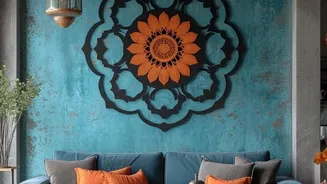
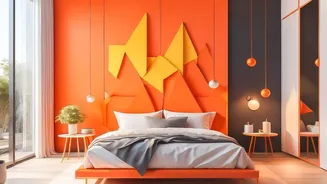
The most straightforward and budget-friendly way to create an accent wall is with a coat of paint. A single wall in a deep, contrasting color can add depth and drama to a living room or bedroom. Popular choices often include deep navy, charcoal gray,
or a rich forest green. The key is to select the wall that already serves as a natural focal point, such as the one behind your sofa or bed. A bold color here anchors the room and highlights your main furniture. Be mindful of lighting, as a dark color on a wall without natural light can sometimes feel heavy. However, a deep hue can also create a cozy, enveloping feel, especially in the evening.
2. Textured or Patterned Wallpaper
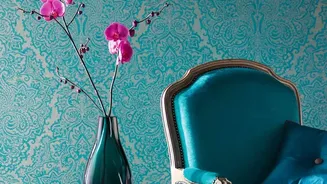
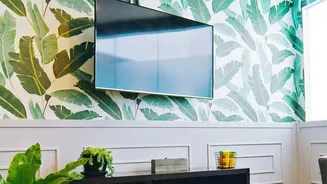
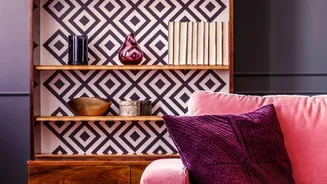
For those wanting more than just color, wallpaper offers endless possibilities in pattern and texture. From subtle grasscloth that adds organic warmth to bold geometric prints that feel modern and dynamic, wallpaper makes a significant statement. It's an excellent way to introduce a theme or a touch of luxury. Today's peel-and-stick options are particularly renter-friendly and allow you to experiment without a long-term commitment. When selecting a pattern, consider the scale of the room; a large pattern can overwhelm a small space, while a delicate print might get lost in a large one. Applied to the wall behind a console table or in an entryway, it can set a sophisticated tone for your entire home.
3. The Curated Gallery Wall
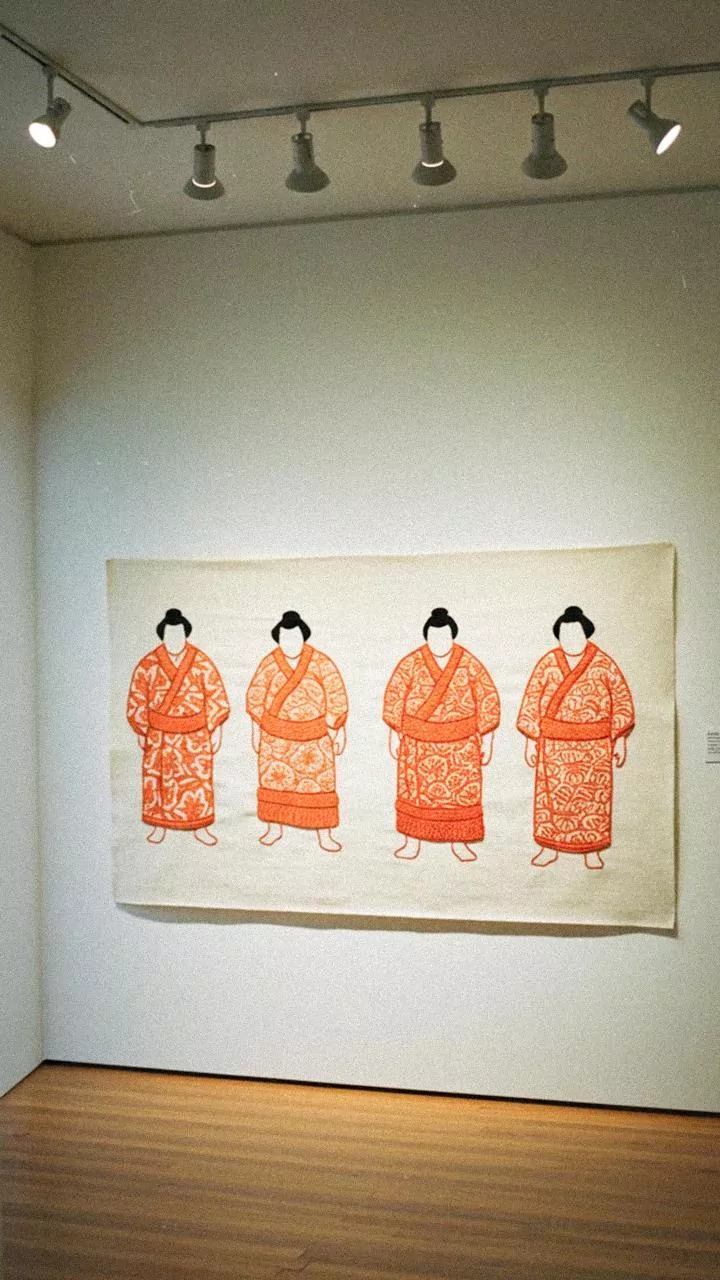
Turn your wall into a reflection of your personality with a gallery display. This approach involves grouping a collection of artwork, photographs, and personal mementos. A gallery wall is incredibly versatile; you can create a tight, symmetrical grid for a formal look or an eclectic, organic arrangement for a more relaxed vibe. The 'accent' comes from the collection itself, which draws the eye and tells a story. To create a cohesive look, stick to a consistent color palette for your frames or the art itself. This method works beautifully in hallways, above a sofa, or along a staircase, transforming a blank space into a meaningful and engaging feature.
4. Warm Wood Paneling
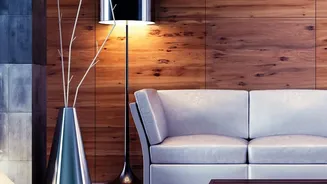
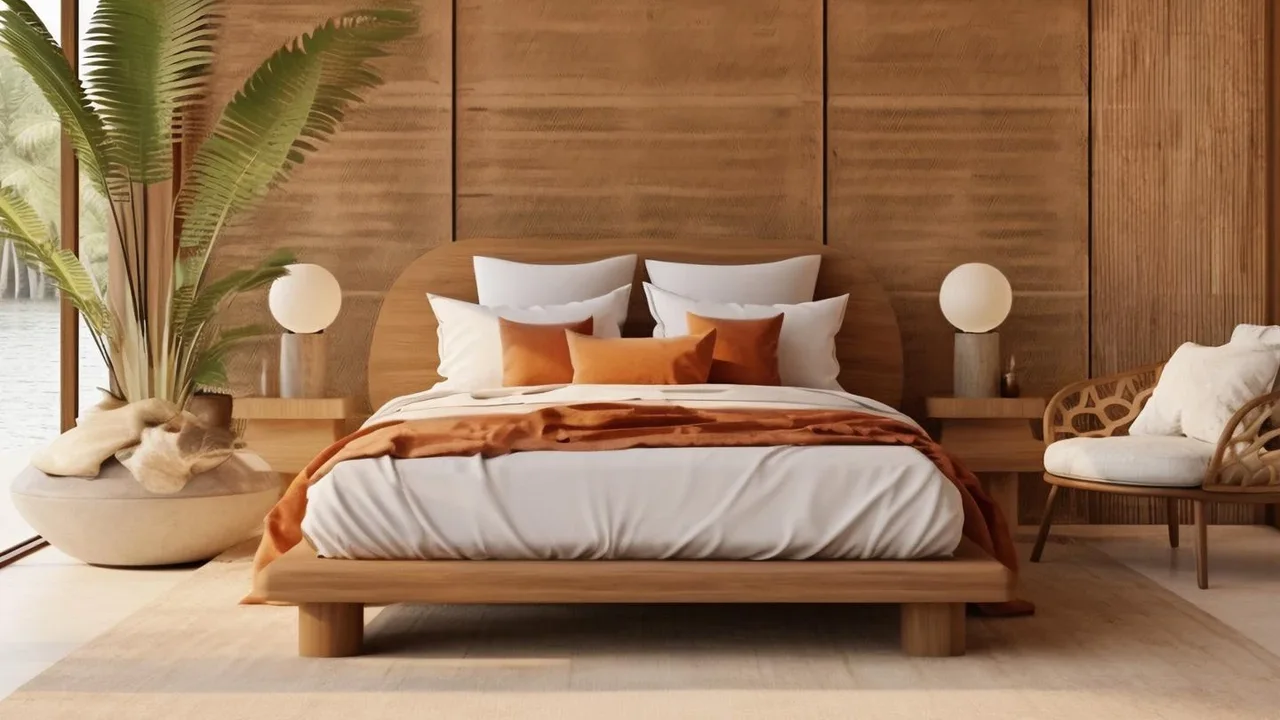
For unparalleled warmth and texture, a wood accent wall is a timeless choice. The natural grain and rich tones of wood can make a room feel cozy, sophisticated, and connected to nature. Styles range from rustic reclaimed shiplap to modern, clean-lined vertical slats. Vertical slats, in particular, are a popular trend that can make a ceiling feel higher, while horizontal planks can make a room feel wider. Walnut provides a rich, moody look, while white oak or ash feels lighter and more Scandinavian. Wood paneling is especially effective behind a bed to create a built-in headboard effect or on a media wall, where it can add architectural interest and help conceal cables.
5. Architectural Molding and Trim
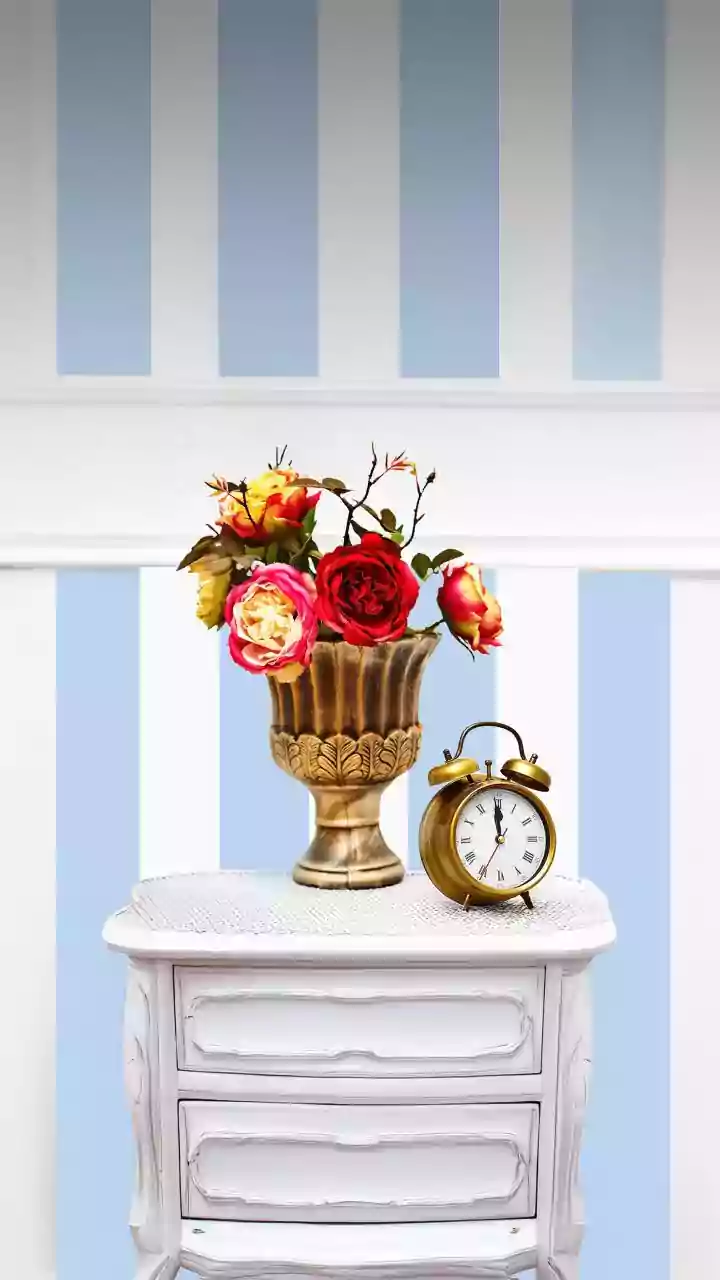
Add architectural character to a plain room with applied molding. Techniques like board and batten, picture frame molding, or geometric trim patterns create depth and shadow for a sophisticated, custom look. These details are typically painted a single color—often the same as the wall but in a different sheen, or a contrasting dramatic hue—to emphasize the pattern. Board and batten, with its classic grid of vertical and horizontal boards, works well in dining rooms, entryways, and bedrooms for a timeless feel. A geometric pattern made from simple wood trim can bring a modern, sculptural quality to the wall. This approach adds a layer of perceived value and history to a space, making it feel more established and thoughtfully designed.