








The Blind Spot in Your Bank Account
For most people, tracking every single expense is a tedious and often forgotten task. We rely on a rough mental estimate of our spending, but this is often wildly inaccurate. Psychologists note that the human brain has a harder time tracking digital transactions
compared to physical cash. A swipe of a card or a tap on a UPI app doesn't feel as tangible as handing over banknotes, making it easier to overspend without realising it. This is where small, frequent purchases—food delivery, subscription services, or daily commutes—can silently drain your resources. One user was shocked to find they were spending ₹18,000 a month on food delivery, thinking it was only ₹8,000. These unmonitored habits, compounded over time, can have a significant impact on long-term financial goals like saving for a down payment or retirement.
How Budget Apps Bring Clarity
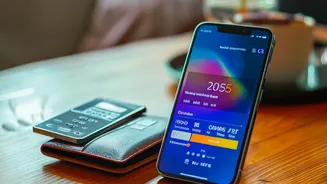
Budgeting apps act as your personal financial manager, automating the process of tracking and analysis. Many modern apps available in India can securely connect to your bank accounts and credit cards through regulated frameworks, automatically pulling your transaction data. Some also read your SMS inbox to capture spending and bill alerts. Instead of a long list of transactions, these apps categorise your spending into intuitive groups like 'Groceries', 'Entertainment', 'Bills', and 'Travel'. This transforms a confusing bank statement into a clear, visual representation of your financial life, often through simple charts and graphs. The primary benefit is awareness; just by seeing where your money is going, you naturally become more conscious of your spending choices.
From Data to Diagnosis: Finding Your Patterns
The real power of these apps lies in their ability to highlight patterns you would never spot otherwise. Do you spend more on weekends? Is a significant chunk of your income going towards subscriptions you forgot you had? Visual dashboards can provide a comprehensive overview of your spending on a daily, weekly, or monthly basis. This data-driven approach moves you from guessing to knowing. Seeing a pie chart that clearly shows 30% of your discretionary income is spent on dining out is a powerful wake-up call. It's not about judgment, but about providing objective information that allows you to assess whether your spending truly aligns with your personal values and goals.
Key Features to Look For in an App
With numerous apps available, choosing the right one depends on your needs. Look for features that make managing your money easier. Automatic transaction categorization is a must for convenience. The ability to create custom budget categories allows you to tailor the app to your specific lifestyle. Bill payment reminders are another crucial feature to help you avoid late fees. For those who want to be more proactive, features for setting financial goals—like saving for a vacation or paying off a loan—can provide motivation by tracking your progress. Some apps in India, like Fi Money or INDmoney, offer robust automatic tracking, while others like Monefy are excellent for those who prefer to enter expenses manually to be more mindful.
Turning Insights Into Lasting Habits
Awareness is only the first step; action is what creates change. Once an app highlights a problematic spending pattern, you can use its tools to build better habits. Start by setting realistic budget limits for specific categories where you tend to overspend. Many apps allow you to set up alerts that notify you when you are approaching your limit. This real-time feedback can help you make a better decision in the moment. Use the insights to challenge yourself. Could you reduce your food delivery budget by 15% and redirect that money to a savings goal? Seeing your savings grow within the same app that tracks your spending creates a positive feedback loop, reinforcing good financial behaviour and turning conscious decisions into effortless habits.