



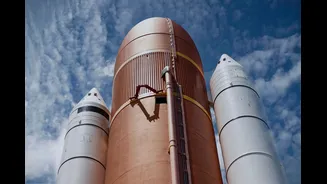


The Arrival: A New Era for Indian Space
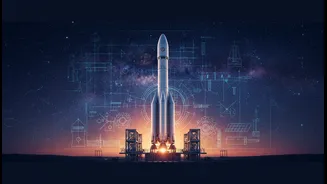
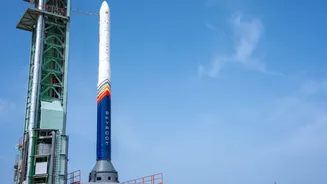
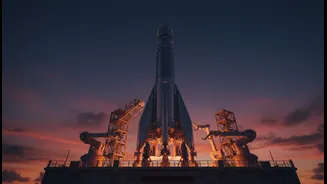
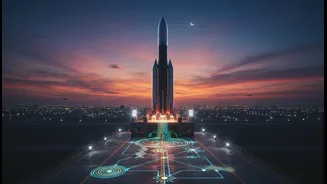
The mission, aptly named 'Aagaman' or 'arrival', is scheduled to lift off from the Satish Dhawan Space Centre in Sriharikota on July 18. This is not just another rocket launch; it is the moment India’s private sector officially enters the orbital space
race. Skyroot Aerospace, a Hyderabad-based startup founded in 2018 by former ISRO scientists Pawan Kumar Chandana and Naga Bharath Daka, is at the helm of this historic endeavour. They began their journey when India's private space industry was almost non-existent, taking a leap of faith that the government would eventually open the sector. That bet paid off with policy reforms in 2020, which allowed private firms access to ISRO's world-class facilities and expertise, accelerating development. The Vikram-1 is the culmination of this new ecosystem, a seven-storey-tall vehicle designed to carry small satellites into Low Earth Orbit. If successful, Skyroot will become the first Indian private company to place a satellite in orbit, a significant step up from its successful sub-orbital Vikram-S launch in 2022.
A New Generation Takes the Controls
What makes Skyroot’s story even more compelling is the team behind the machine. The company is driven by a vibrant, young workforce, with many experiencing their first-ever orbital launch campaign. Co-founder Pawan Kumar Chandana notes the “very energetic” mood, a reflection of the passion and dedication of a team that has grown rapidly. While precise age demographics are not public, the company actively recruits top graduates from India's premier engineering institutions, creating a dynamic environment of innovation. This infusion of young talent is a core part of Skyroot's strategy, fostering a culture where new ideas can flourish. The company, which started with a handful of people, now employs a significant workforce dedicated to making space access as reliable and frequent as air travel. They are not just building a rocket; they are building the foundation of India's commercial space future, with over 400 suppliers contributing to a vehicle that is 100% designed and manufactured in India.
Anatomy of a History-Making Rocket
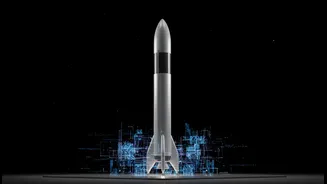
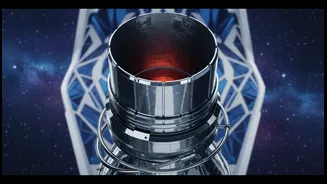
The Vikram-1 is a marvel of modern engineering, designed for efficiency and rapid deployment. Its entire structure is built from lightweight carbon-composite materials to maximize strength while minimizing weight. It is a four-stage vehicle; the first three stages are powered by Kalam-series solid rocket motors, providing the immense thrust needed for liftoff. The fourth and final stage uses Raman liquid engines for the precise orbital insertion of its payload. Skyroot has pioneered the use of 3D-printed engine components, a move that drastically cuts down manufacturing time and costs, enabling a higher launch frequency. For its maiden flight, Vikram-1 will carry a payload of up to 350 kg to a 450 km orbit. This payload includes technology demonstrators from several Indian startups, including Grahaa Space and Cosmoserve, as well as a diamond art piece, showcasing the diverse commercial possibilities of space.
Beyond the Launch: A Five-Fold Dream
A successful launch of Vikram-1 will be a powerful validation of India's space policy reforms and a major boost for the country's burgeoning space economy. Currently valued at around $8.4 billion, India's space sector accounts for just 2% of the global market. The government's vision is to increase this share to 8% by 2033, growing the economy to $44 billion. Private players like Skyroot are critical to achieving this goal. By providing cost-effective and reliable launch services for the booming small satellite market, companies like Skyroot can help ISRO focus on more complex scientific and deep-space missions. The Aagaman mission represents the hopes of over 400 startups in India's space sector, signalling to the world that the nation is a serious contender in the commercial space launch business. As Chandana puts it, this is a foundational step towards establishing a reliable, on-demand launch company for the world, from India.