

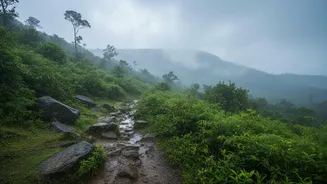
Footwear: Your First Line of Defense
The single most important piece of gear for a monsoon trek is your footwear. While heavy, waterproof hiking boots might seem logical, they can be a mistake. Once water gets in—and it will—they become heavy and take forever to dry. Instead, prioritise
shoes with excellent grip on wet and mossy rocks. Look for outsoles with deep, spaced-out lugs made of soft rubber, which perform better on the slippery laterite rock common in the Ghats. Many experienced trekkers prefer lightweight, quick-drying shoes or even sturdy trekking sandals that allow water to drain out easily. Whatever you choose, ensure they are well broken-in to avoid blisters.
Clothing: Quick-Dry and Anti-Cotton
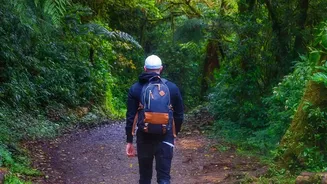
The golden rule of monsoon trekking is to avoid cotton. Cotton absorbs a massive amount of water, loses its insulating properties, and takes a long time to dry, leaving you cold and uncomfortable. Instead, opt for synthetic, quick-drying fabrics for all your clothing. A layered approach works best. Wear a synthetic t-shirt as a base, and carry a lightweight fleece for warmth if needed. Full-sleeved shirts and full-length trousers are recommended to protect against scratches and insects. Always pack at least one extra set of dry clothes in a waterproof bag for after the trek.
Rain Protection: Poncho vs. Rain Suit
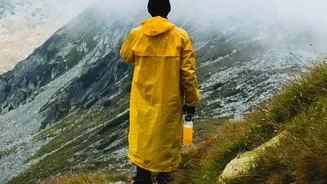
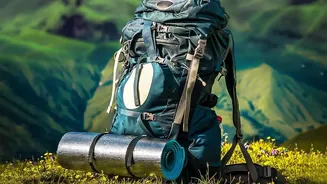
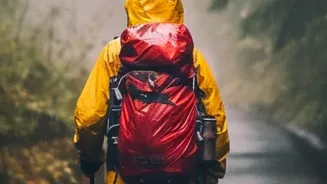
Staying dry is a constant battle. You have two main options: a rain poncho or a two-piece rain suit (jacket and pants). A good quality poncho is often preferred as it's affordable, provides great ventilation, and can be thrown over both you and your backpack. A breathable rain suit offers more complete protection but can get very warm and sweaty in the humid conditions of the Western Ghats. Regardless of your choice, ensure your backpack is also protected. Use a dedicated rain cover for your pack and line the inside with a large, durable plastic bag as a secondary defense to keep essentials like electronics and dry clothes completely safe.
The Monsoon First-Aid Kit
Your standard first-aid kit needs a few monsoon-specific additions. The most critical items are for dealing with cuts and, of course, leeches. Ensure your kit includes antiseptic wipes, waterproof bandages, and a strong antiseptic liquid. For leeches, carry a small container of salt, a hand sanitiser, or a small spray bottle with a Dettol or tobacco water solution. These help in safely detaching leeches without pulling them, which can leave their mouthparts in the skin and cause infection. Also pack an anti-itch cream for insect bites and any personal medications.
Navigating the Nuisances: Leeches and Bugs
Leeches are an unavoidable part of the ecosystem in the monsoon. The best defence is a physical barrier. Leech-proof socks, which are long and made of thick fabric, are highly effective. You can also tuck your quick-dry trekking pants into your regular socks for a makeshift barrier. Applying a repellent spray to your shoes and the bottom of your trousers can also deter them. If one does latch on, don't panic or pull it off. A sprinkle of salt or a dab of hand sanitiser will cause it to detach on its own. The bite will bleed for a while due to the leech's anticoagulant saliva, which is normal. Clean the wound with an antiseptic afterward.
Essential Pack-It-In Items
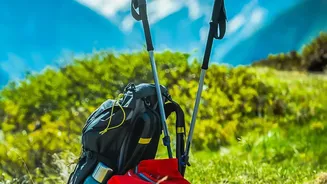
Beyond the big items, a few small things can make a huge difference. A trekking pole is invaluable for maintaining balance on slippery descents and testing the depth of water crossings. Pack a headlamp or torch with extra batteries, as misty conditions can reduce daylight quickly. Keep your phone and any other electronics in a high-quality waterproof pouch or a simple ziplock bag. Finally, carry at least two litres of water and some high-energy snacks. Proper preparation turns a potentially miserable experience into a thrilling adventure.