








An Ancient Thirst Quencher
Lassi's story begins thousands of years ago in the fertile plains of Punjab. [2] Some historians trace its origins to as early as 1000 BC. [4] Conceived in a time before refrigeration, this blend of yogurt and water was a clever way to preserve the nutritional
value of milk while creating a refreshing drink to combat the region's intense heat. [4] Rooted in the ancient Indian medical system of Ayurveda, lassi was praised for its digestive and cooling properties. [6, 16] It wasn't just a farmer's humble refreshment; it became a symbol of hospitality and even an auspicious offering to the gods during religious ceremonies. [5, 13] From these ancient roots, lassi spread across the subcontinent, evolving with local tastes but never losing its core identity. [2]
The Great Divide: Sweet vs. Salty
At its heart, lassi is a study in delightful contrasts, primarily split between two camps: sweet (meethi) and salty (namkeen). The choice often comes down to personal preference or occasion. [18] Sweet lassi, a creamy blend of yogurt, water, and sugar, is often enhanced with fragrant additions like rose water or cardamom. [18] It’s the perfect, dessert-like treat on a hot afternoon. On the other side is the namkeen lassi, a savoury concoction mixed with salt, roasted cumin powder, and sometimes fresh mint. [18] This version is a phenomenal digestive aid, often enjoyed alongside a heavy or spicy meal to soothe the stomach and cleanse the palate. [8] While both are cherished, they represent the incredible versatility of this simple drink. [18]
A Canvas for Endless Flavours
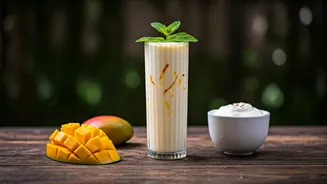
While the sweet and salty versions form the foundation, lassi has become a canvas for culinary creativity. The most famous variation to conquer the globe is undoubtedly the mango lassi, blending the tropical sweetness of mango pulp with the tartness of yogurt. [4, 21] However, the innovations don't stop there. Modern cafes and traditional kitchens alike now offer an entire spectrum of flavours, from strawberry and banana to more inventive combinations like mint and cucumber. [19, 20] In some regions, lassi takes on a more potent form, such as bhang lassi, which is infused with cannabis and traditionally consumed during festivals like Holi in a religious context. [6] Whether it’s a fruity blend, a decadent chocolate version, or one topped with saffron and pistachios, there's a lassi for every palate. [19, 21]
The Science of Comfort and Cooling
The feeling of comfort that a glass of lassi provides is not just psychological; it's backed by science and ancient wisdom. According to Ayurveda, lassi has a natural cooling effect on the body, making it an ideal beverage for hot weather. [11, 12] Modern nutrition agrees, highlighting its hydrating properties and electrolyte content, which help replenish fluids lost through sweating. [7, 10] The key to lassi's health benefits lies in its primary ingredient: yogurt. It is a rich source of probiotics, the beneficial bacteria that promote a healthy gut, aid digestion, and can help prevent issues like bloating and acidity. [7, 9, 16] Packed with calcium, protein, and essential vitamins like B12, lassi also supports bone health and boosts the immune system. [9, 10, 11]