



Understanding the Vrat Diet Basics
Navratri fasting involves observing a 'sattvic' or pure diet to cleanse the body and mind. This means certain food groups are avoided, while others form the core of the meal plan. The rules can vary slightly between families and regions, but the general
guidelines remain consistent. Foods to avoid typically include regular grains like wheat and rice, all lentils and pulses, onions, garlic, eggs, non-vegetarian food, and alcohol. Regular table salt is also replaced with sendha namak, or rock salt. The focus shifts to a specific list of flours, vegetables, fruits, and dairy products that are considered appropriate for this spiritual practice.
Stocking Your Fasting Pantry
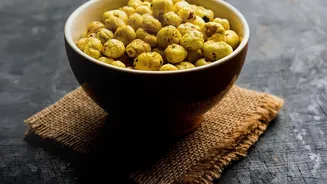
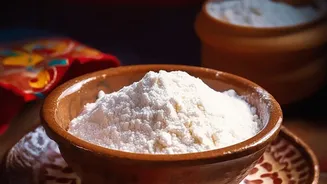
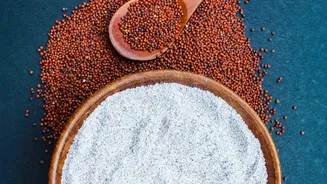
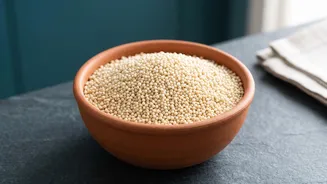
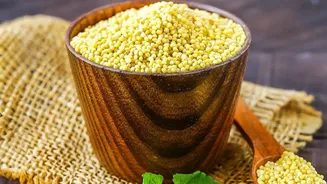
A well-planned Navratri begins with a well-stocked kitchen. Before the festival starts, make sure you have the essential fasting-friendly ingredients. For flours, stock up on kuttu ka atta (buckwheat flour), singhare ka atta (water chestnut flour), and rajgira ka atta (amaranth flour). Instead of regular rice, you will need samak ke chawal (barnyard millet). Sabudana (tapioca pearls) is another versatile staple. For vegetables, potatoes, sweet potatoes, pumpkin, bottle gourd (lauki), and cucumber are widely used. All fruits are permitted, so stock up on seasonal favourites. Dairy products like milk, paneer, and curd are crucial for protein. Finally, don't forget makhana (fox nuts), peanuts, and other nuts for healthy snacking and adding texture to dishes.
Structuring Your Daily Meals
To avoid energy dips and unhealthy binging, it's best to eat smaller, more frequent meals throughout the day. A good structure includes a nourishing breakfast, a balanced lunch, a light evening snack, and a satisfying dinner. Start your day with fruits, a glass of milk, or a smoothie. For lunch, combine a vrat-friendly flour in the form of a puri or cheela with a vegetable preparation and a side of curd. A handful of roasted makhana or a fruit chaat can be a great evening snack. Dinner can be a light yet filling dish like sabudana khichdi or samak rice pulao. This approach ensures you get a steady supply of energy and nutrients, making the fast feel less strenuous and more spiritually focused.
Healthy Breakfast and Snack Ideas
Breakfast during Navratri should be energising. Instead of heavy or fried options, you can try a fruit smoothie bowl topped with nuts and seeds, or a simple bowl of fruit with a side of curd. Kuttu ka cheela (a savoury buckwheat pancake) stuffed with grated paneer is another excellent high-protein option. For snacks, move away from packaged vrat chips. Instead, opt for roasted makhana seasoned with rock salt and black pepper, a sweet potato chaat, or a handful of mixed nuts and raisins. These snacks are not only compliant with fasting rules but also provide essential nutrients to keep you going.
Wholesome Lunch and Dinner Options
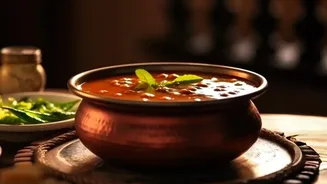
Lunch and dinner are your main opportunities to have a complete meal. For a classic combination, pair kuttu ki puri or rajgira paratha with a simple aloo or lauki ki sabzi. Samak rice pulao, cooked with diced potatoes, peanuts, and mild spices, makes for a comforting one-pot meal that is both light and filling. Another popular choice is sabudana khichdi, made with soaked tapioca pearls, potatoes, and roasted peanuts. For a richer dish, you can prepare vrat-friendly paneer tikka or a creamy pumpkin curry to be eaten with samak rice. Rotating these options can keep your meals interesting throughout the nine days.
Staying Hydrated and Mindful
Hydration is crucial during any fast. Aim to drink at least 8-10 glasses of water daily. Besides water, you can have coconut water, fresh fruit juices, and buttermilk (chaas) to maintain electrolyte balance. While many traditional Navratri foods are delicious, it's easy to over-indulge in fried items like puris and pakoras. Try to balance these with healthier cooking methods like baking, grilling, or pan-frying. For example, sabudana tikkis can be pan-fried instead of deep-fried, and sweet potatoes can be baked instead of fried. Mindful eating not only aids digestion but also aligns with the spiritual purpose of the fast.