







Why Recovery Isn't a Luxury
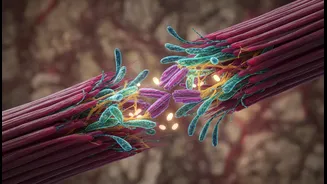
Many of us treat rest days as optional, or even a sign of weakness. However, the science is clear: your body doesn't get stronger during a workout, but after it. Exercise, especially strength training, creates microscopic tears in your muscle fibers.
The recovery period is when your body gets to work repairing these tears, which is what ultimately leads to muscle growth and increased strength. Neglecting this crucial phase can lead to overtraining syndrome, a condition marked by persistent fatigue, decreased performance, hormonal imbalances, and a higher risk of injury. In short, without adequate recovery, your hard work in the gym can stall or even go backward.
The Two Types of Recovery
Recovery isn't just about sitting on the couch, though that has its place. It generally falls into two categories: passive and active. Passive recovery is complete rest with minimal movement, like getting a full night's sleep or simply relaxing. Active recovery, on the other hand, involves low-intensity movement that helps promote blood flow and reduce muscle soreness without putting significant strain on the body. Think of activities like a gentle walk, a leisurely swim, or a restorative yoga session. Research suggests that active recovery can be more effective at clearing metabolic waste products, like lactate, from your muscles, which may help speed up the repair process.
The Pillars: Sleep and Nutrition
Before you invest in any fancy gadgets, make sure you have the two foundational pillars of recovery locked down: sleep and nutrition. During deep sleep, your body releases human growth hormone, which is essential for tissue and muscle repair. Aiming for seven to nine hours of quality sleep per night is one of the most effective recovery tools available. Nutrition is the other non-negotiable. After a workout, it's critical to replenish your body's energy stores and provide the building blocks for muscle repair. This means consuming a combination of carbohydrates to restore glycogen and protein to aid in protein synthesis, ideally within 60-90 minutes post-exercise. And don't forget hydration; water is crucial for transporting nutrients and flushing out waste.
Simple Recovery Techniques to Try
Beyond sleep and nutrition, several other techniques can support your recovery. Stretching and foam rolling can help reduce muscle tightness, improve flexibility, and increase range of motion. These practices are excellent additions to a cool-down or an active recovery day. Other popular methods include massage therapy, which enhances blood flow and reduces soreness, and contrast water therapy (alternating between hot and cold water), which may help reduce inflammation. The key is to find what feels good for your body and what you can consistently incorporate into your routine.
Building Your Recovery Schedule
So, how do you fit this all in? A good rule of thumb is to schedule at least one full rest day (passive recovery) each week. You might also plan for one or two active recovery days, especially after particularly intense workouts. For example, a weekly plan could look like three to four days of training, one active recovery day with light cardio and stretching, and one complete rest day. It's recommended to allow 48 hours of rest for a muscle group after a strength training session before working it again. Ultimately, the most important thing is to listen to your body. Signs like persistent soreness, unusual fatigue, irritability, or a lack of motivation are signals that you may need more rest.