



The Magic of Red Chutney
It’s impossible to imagine Indian street food without its array of vibrant chutneys. The bright green pudina chutney, the sweet and tangy brown saunth, and, of course, the star of the show for many: the electrifying red chutney. This garlic and chilli-based
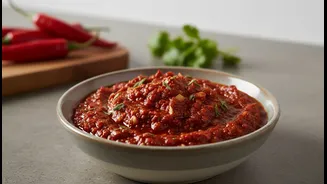
condiment is the soul of everything from bhel puri to sev puri and vada pav. It provides a pungent kick of heat and a deep, savoury flavour that ties all the other elements together. The visual appeal is undeniable; its bright red hue signals spice and excitement, a core part of the sensory experience that makes street food so beloved. For many, it's not just a sauce but a flavour-packed memory linked to bustling city corners and shared moments of culinary joy.
The Unappetising Truth Behind the Colour
Unfortunately, that brilliant red colour is not always natural. To achieve a consistent, eye-catching shade cheaply and quickly, some street vendors resort to using non-permitted and even dangerous industrial dyes instead of FSSAI-approved food colours. A major culprit is Rhodamine B, a synthetic chemical used for dyeing textiles and plastics. It is strictly banned for use in food in India, but its low cost and intense colour make it a tempting, illegal shortcut. The consumption of Rhodamine B is a serious health concern. It is treated as a toxin by the body, putting stress on the liver and kidneys. Long-term exposure has been linked in animal studies to liver damage and is a suspected carcinogen, meaning it may contribute to the development of cancer. Other hygiene issues, like the quality of water used, can also pose risks.
Going Natural: Flavour and Colour Without Compromise
The good news is that achieving an authentic, vibrant red is entirely possible using safe, natural ingredients. The key is to abandon artificial shortcuts and embrace the power of whole foods. The goal isn't just safety but also superior flavour. Natural ingredients provide a depth and complexity that synthetic dyes simply cannot replicate. High-quality dried red chillies, for instance, are the traditional and best source of colour and heat. Varieties like Kashmiri or Byadgi chillies are prized for their ability to impart a brilliant red hue without overwhelming heat, allowing the other flavours to shine. By choosing the right ingredients, you can create a chutney that is not only safer but also tastes far better than any artificially coloured version.
The Safer Twist: A Recipe for Authentic Red Chutney
Making your own street-style red chutney is surprisingly simple. This recipe focuses on fresh ingredients to deliver that classic pungent and spicy kick, with a beautiful, natural colour.
Ingredients:
- 15-20 dried Kashmiri or Byadgi red chillies (for colour and mild heat)
- 8-10 cloves of fresh garlic, peeled
- 1 tablespoon lemon juice or vinegar (for tang and preservation)
- 1 teaspoon cumin seeds
- 1 teaspoon sugar or a small piece of jaggery (to balance the flavours)
- Salt to taste
- Water for soaking and blending
For an even deeper red and a touch of sweetness, some recipes suggest adding a small, peeled and boiled beetroot or a spoonful of tomato paste.
Instructions:
1. Remove the stalks from the dried red chillies. If you prefer less heat, you can deseed them. Place the chillies in a bowl and cover them with hot water. Let them soak for about 20-30 minutes until they are soft and pliable.
2. Drain the chillies, reserving the water. In a blender, combine the soaked chillies, peeled garlic cloves, cumin seeds, lemon juice or vinegar, sugar or jaggery, and salt.
3. Add a few tablespoons of the reserved soaking water to the blender. Blend the mixture until it forms a smooth, thick paste. Add more water, one tablespoon at a time, until you reach your desired consistency—it should be a pourable sauce, not a thick paste.
4. Taste the chutney and adjust the seasoning if necessary. You might want to add more salt for savouriness, sugar for balance, or lemon juice for tang.
5. Transfer the chutney to a clean, airtight glass jar. It can be stored in the refrigerator for up to two weeks.