


What Are Durable Food Traditions?
At its heart, durable food tradition isn't about one specific dish, but a philosophy. For centuries, Indian culinary practices have been shaped by principles of sustainability, seasonality, and making the most of what's available. This includes techniques
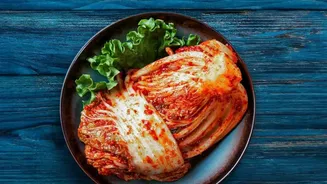
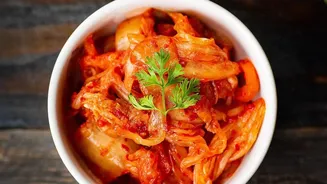
like sun-drying, pickling, and fermentation, which were developed not just for flavour, but to preserve food and extend its life, especially through changing seasons. Think of the array of pickles (achaar) that vary from region to region, or the practice of making ghee, which clarifies butter so it can be stored without refrigeration. These methods are 'durable' because they are efficient, reduce waste, and have been passed down through generations. They represent a deep understanding of ingredients and environment, long before 'sustainability' became a buzzword.
The Power of a Flexible Pantry
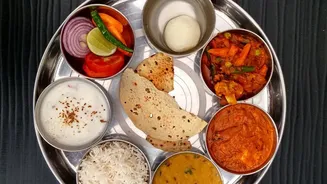
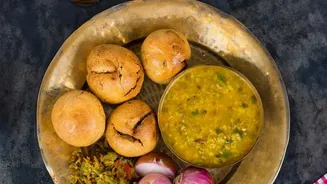
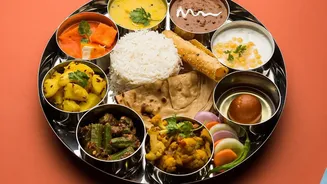
The foundation of this traditional approach is a well-stocked, flexible pantry. Rather than relying on a long list of fresh ingredients for a single recipe, Indian home cooking often builds complex flavours from a core set of durable staples. These include a variety of lentils and legumes (dal), rice, whole wheat flour (atta), and an essential box of spices (masala dabba). Spices like turmeric, cumin, coriander, and mustard seeds are the building blocks of countless dishes, while ingredients like tamarind or jaggery provide a balance of sour and sweet. This pantry-based approach gives cooks the freedom to be spontaneous, creating nutritious and flavourful meals like dal, curries, and flatbreads with ingredients that are always on hand.
Why the Renewed Interest Now?
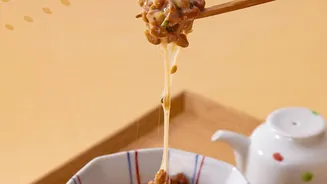
The current fascination with these traditions stems from several modern trends. A growing global focus on wellness has drawn people to the health benefits rooted in Ayurveda and other Indian traditions, where food is often seen as medicine. Spices like turmeric are celebrated for their anti-inflammatory properties, while fermented foods are valued for promoting gut health. Furthermore, there is a rising consciousness around sustainability. Practices like using every part of a vegetable, repurposing leftovers, and eating locally and seasonally are central to traditional Indian cooking and offer a practical blueprint for a more eco-friendly kitchen. Finally, in a fast-paced world, there's a longing for authenticity and a deeper connection to our food, which these time-tested practices provide.
What This Means for Your Kitchen
Adopting these principles doesn't require a complete kitchen overhaul or mastering complicated recipes. It’s about a shift in mindset. For a home cook, this means learning to embrace flexibility over rigid recipes. Start by building a small, versatile pantry of key spices, lentils, and grains. Instead of throwing away vegetable peels or stems, consider if they can be used in a stock or a chutney. Experiment with simple preservation, like quick-pickling onions or carrots. Embrace slow-cooking techniques, which can be easily achieved with a modern slow cooker or even a heavy-bottomed pot, to deepen flavours without constant attention. The goal is to learn the 'why' behind the techniques, allowing for more intuitive and less wasteful cooking.