






An Ancient Tradition Born of Necessity
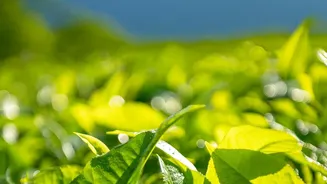
The practice of smoking tea in the Himalayas wasn't born from a desire for gourmet flavours, but from ingenuity and necessity. For centuries, indigenous communities like the Singpho and Tangsa in Northeast India have processed wild-growing tea leaves.
Their traditional method, known as Phalap, involved plucking, heating, and sun-drying the leaves before packing them tightly into bamboo tubes. These tubes were then hung over a fireplace to smoke for days or even weeks. This process not only preserved the tea, allowing it to be stored for long periods, but also imbued the leaves with a distinctively rich and smoky character that has become a celebrated flavour profile today.
The Art of the Smokehouse
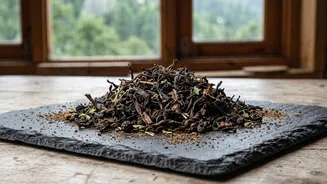
The magic happens in the careful application of smoke. Modern artisans in regions like Darjeeling, Nepal, and Arunachal Pradesh continue this legacy, often with refined techniques passed down through generations. The process typically begins after the tea leaves are harvested and withered. They are then rolled to break down the cell walls, which helps in the subsequent oxidation process. After this, the leaves enter the smoking stage. They might be placed in bamboo baskets or on trays and suspended over a carefully tended fire. The choice of wood is critical; artisans often use local woods like pine or oak to generate the smoke, as each imparts a different aromatic quality to the finished tea. The duration of smoking can last several hours, a delicate balance to ensure the tea absorbs the desired level of smokiness without becoming harsh.
More Than Just Woodsmoke
While the headline mentions smoking with wild herbs, the dominant tradition in Himalayan smoked tea centres on using specific types of wood smoke to cure the tea leaves. For example, some producers in the Kangra valley use pine wood, pine cones, and pine needles to create a distinctively intense aroma. However, the idea of incorporating other botanicals speaks to the broader herbal traditions of the region. The Himalayas are a vast repository of aromatic plants like mint, nettle, and the fragrant Jatamansi, which have been used for generations in local cuisine and wellness practices. While direct co-smoking of tea with these herbs is less documented as a widespread commercial practice, the principle remains: using the natural bounty of the mountains to create unique flavour infusions, a tradition seen in brews like Kashmiri Kahwa, which blends green tea with spices.
A Symphony of Earthy Flavours
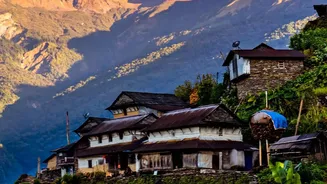
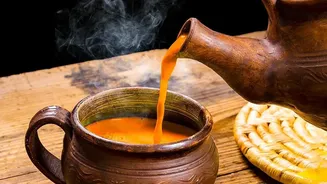
The result of this smoking process is a tea with a bold and complex personality. Unlike the floral notes of a first flush Darjeeling, a smoked tea offers a deeply savoury and grounding experience. The initial aroma is often reminiscent of a campfire or smouldering wood, followed by a surprisingly smooth taste. Flavour notes can range from woody and resinous to hints of leather, dried fruit, or even peated whisky. This earthy profile is what makes these teas so compelling. They offer a powerful sensory journey that feels both rustic and refined, a taste of the rugged Himalayan landscape in every cup.
Preserving a Legacy in a Modern World
Today, smoked teas from the Himalayas, including varieties from Nepal and Darjeeling, are finding their way to a global audience of tea lovers seeking unique and authentic products. These teas represent more than just a beverage; they are a direct link to the cultural heritage of the mountain communities that perfected the craft. By choosing these artisanal teas, consumers are not only exploring a new world of flavour but also helping to support smallholder farmers and preserve a tradition that could otherwise be lost. As interest in handcrafted and single-origin products grows, the ancient art of smoking tea continues to find new appreciation, ensuring its smoky aroma will linger for generations to come.