
What is an Olla and How Does It Work?
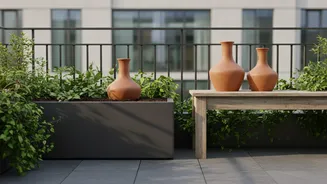
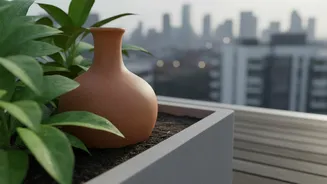
An olla (pronounced 'oy-ah') is simply an unglazed, porous clay pot that is buried in soil and filled with water. It's a method of irrigation that has been used by farmers for thousands of years in arid regions. The science behind it is brilliantly simple.
Because the terracotta is unglazed, it's porous, allowing water to slowly seep through its walls. This process isn't a constant leak; instead, it works on demand. As the surrounding soil dries out, it creates a natural suction, pulling water out of the olla. When the soil is moist, the water stays inside the pot. This means plants get a consistent supply of moisture directly at their root zone, taking exactly what they need, when they need it.
The Perfect Solution for Balcony Containers
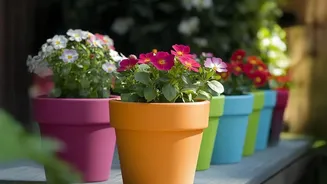
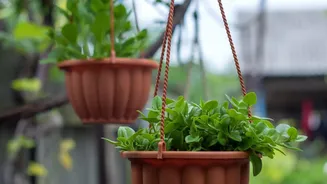
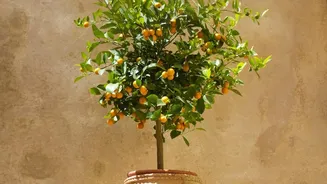
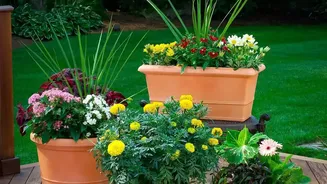
While ollas work wonders in large garden beds, they are uniquely suited to the challenges of container gardening. Balcony pots and planters heat up and dry out much faster than in-ground beds, making plants vulnerable to a stressful drench-and-dry cycle. Ollas solve this by maintaining steady hydration underground. This method significantly reduces water waste from surface evaporation and runoff, a common issue with top-watering containers. Research suggests this can conserve up to 70% of water compared to surface irrigation. Furthermore, by delivering water below the surface, ollas encourage plants to grow deeper, stronger root systems, making them more resilient. A dry soil surface can also help deter weed growth and certain pests.
How to Use Ollas in Your Balcony Garden
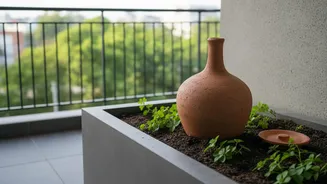
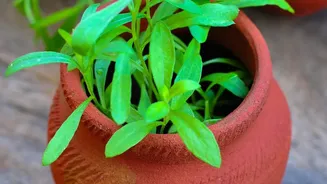
Using an olla is straightforward. First, select an appropriate size for your container; the moisture will typically reach a distance from the pot equivalent to its diameter. When potting your plant, dig a hole to bury the olla in the center of the container, leaving just the neck or opening exposed above the soil line. Pack soil firmly around it to ensure good contact. Then, plant your herbs, flowers, or vegetables around it. Fill the olla with water and cover the opening with a small stone or the pot’s original saucer to prevent evaporation and keep mosquitoes out. You’ll only need to refill the olla every few days to a week, depending on its size, the weather, and how thirsty your plants are.
Best Plants for Olla Irrigation
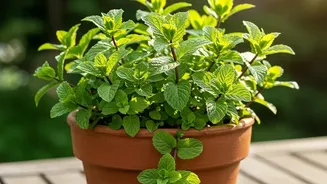
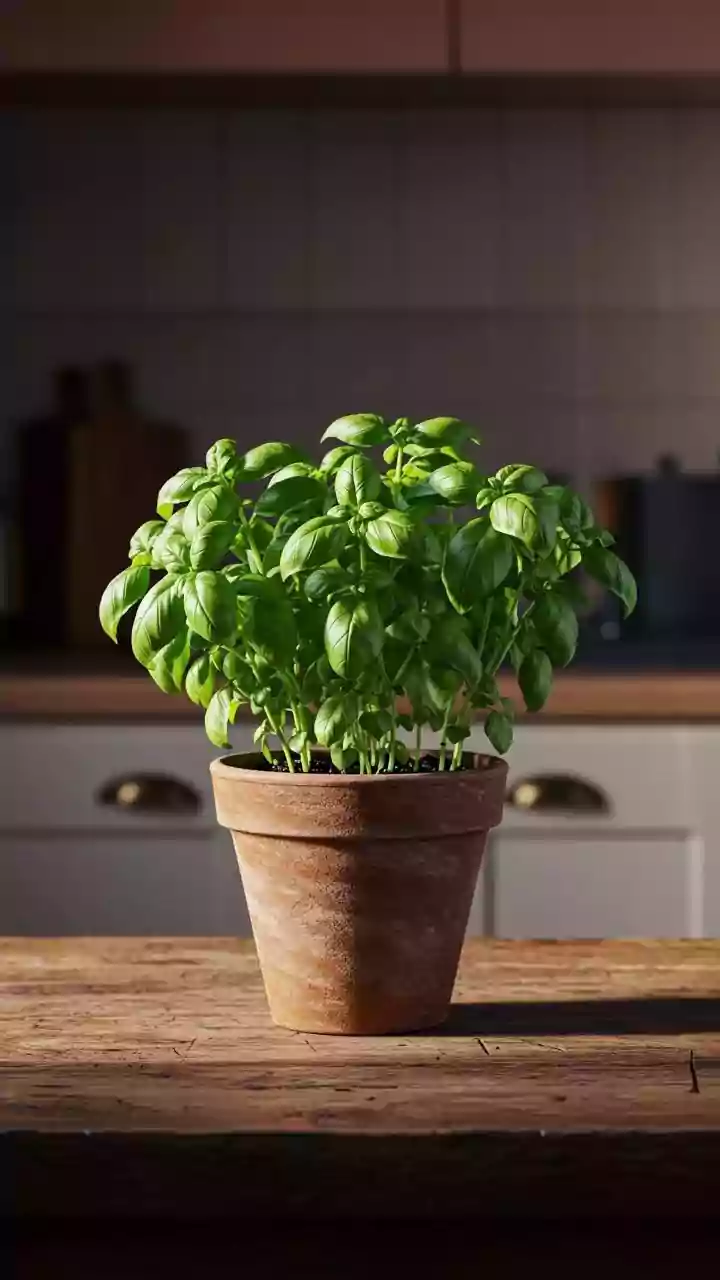
Ollas are most effective for plants with fibrous root systems that thrive on consistent moisture. Fruiting vegetables are prime candidates; tomatoes, in particular, are known to wrap their roots directly around the pot, which helps prevent issues like fruit cracking that arise from inconsistent watering. Peppers, squash, and cucumbers also perform exceptionally well. Culinary herbs like basil, which can be fussy about watering, flourish with the steady supply an olla provides. Even thirsty flowering annuals and tropicals in large planters benefit from the constant hydration. For newly planted seeds or very young plants, you may need to surface water for the first couple of weeks until their roots are established enough to find the olla.
Things to Know and DIY Options
While effective, there are a few things to keep in mind. Ensure you use an unglazed pot, as any glaze will make it waterproof and defeat the purpose. It's also best not to add liquid fertilizers to the olla, as this can clog the clay's pores over time. If you live in an area with freezing winters, it's wise to remove the ollas from your pots and store them dry to prevent cracking. For those who enjoy a DIY project, you can easily make your own olla. The most common method involves taking two identical unglazed terracotta pots, sealing the drainage hole of one, and then gluing the rims together with a waterproof, food-safe silicone. This creates a vessel that functions just as well as a store-bought, purpose-made olla.