






The Race Against Rot
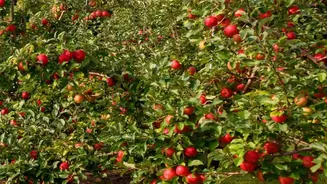
Until recently, apple growers in Kashmir faced a daunting annual challenge. With Kashmir producing around 70-75% of India's apples, the harvest season would flood the market. This glut, combined with limited storage options and a reliance on a single,
often-disrupted national highway, forced farmers into distress sales. They had to sell their produce immediately at low prices, or risk it spoiling. Studies estimated that post-harvest losses could be as high as 15-25% due to inadequate storage and transport, a devastating blow to the livelihoods of the 3.3 million people connected to the industry. This system put growers at the mercy of market fluctuations and logistical bottlenecks, capping their earning potential regardless of the quality of their harvest.
A Breath of Fresh Air: CA Storage
The game-changer has been the widespread adoption of Controlled Atmosphere (CA) storage. These are not just regular cold rooms. CA facilities are high-tech warehouses where temperature, humidity, and the levels of oxygen, carbon dioxide, and nitrogen are precisely controlled. This process effectively puts the apples to sleep, slowing down the ripening process and extending their shelf life from a few months to as long as ten months without losing quality, firmness, or flavour. This technology allows A-grade apples, which constitute about a third of the total production, to be preserved long after the harvest season ends, fundamentally altering the economics of apple farming.
From Price Takers to Price Makers
The impact of CA storage has been nothing short of revolutionary for farmers. By storing their produce, they are no longer forced to sell during the peak season when prices are at their lowest. They now have the power to wait for favourable market conditions, releasing their apples in phases when demand is high and supply is low. This newfound flexibility has led to a dramatic increase in income. Growers report that a box of apples sold from a CA store can fetch double or even triple the price compared to a sale during the harvest glut. This shift transforms them from being reactive 'price takers' to strategic 'price makers', giving them control over their financial destiny and protecting them from the panic of distress sales.
The Infrastructure Boom
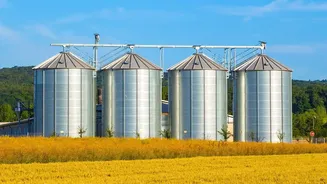
Recognizing the immense potential, there has been a significant push from both private investors and the government to expand Kashmir's cold chain infrastructure. Industrial areas, particularly in Lassipora in Pulwama, have become major hubs for CA storage, with capacity growing rapidly. Government schemes like the Mission for Integrated Development of Horticulture (MIDH) and the Agriculture Infrastructure Fund (AIF) have provided subsidies and financial aid to encourage the construction of these modern facilities. While the current capacity of around 300,000 to 400,000 metric tonnes does not cover the entire A-grade crop, it represents a monumental leap forward and continues to expand. This build-out is not just creating storage; it's generating jobs and creating a more stable rural economy.
Harvesting the Future
The journey is not without its challenges. Issues like ensuring proper sorting of produce before storage, managing electricity supply, and training a sufficient workforce are ongoing priorities. Overwhelming the system with prematurely harvested or lower-grade apples can also impact returns. However, the consensus is clear: CA storage is a lifeline for Kashmir's most important horticultural product. The expansion of cold storage, coupled with better logistics like the use of railways for transport, is creating a more resilient and profitable ecosystem. This transformation is ensuring that the value of the Kashmiri apple is captured not just by middlemen and distant markets, but by the farmers who cultivate it.