





An Invitation from the Earth
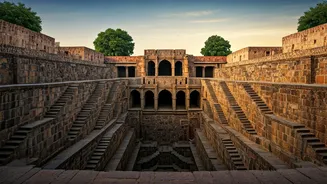
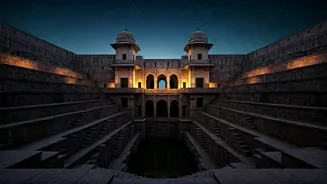
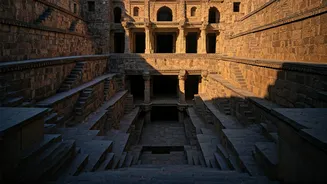
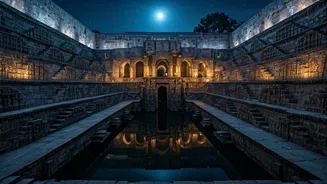
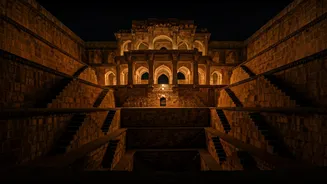
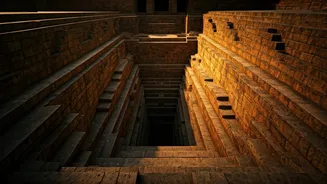
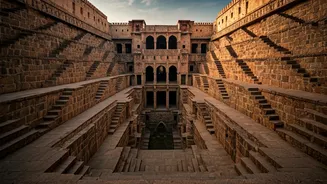
Imagine standing at the edge of an abyss, not of nature, but of human hands. It is past midnight. The air is cool and still. Below you, a symmetrical cascade of stone steps plunges deep into the earth, a geometric pattern so perfect it feels alien. The stars
above are crisp and clear. This is a baoli, or vav, a stepwell, but not as you’ve seen it in sun-drenched travel photos. At night, it sheds its identity as a historical monument and becomes a portal. The silence is profound, broken only by the click of a camera shutter on a long exposure. This is the world of night architectural photography, an art form that is reframing our relationship with these ancient subterranean wonders.
More Than Just Water
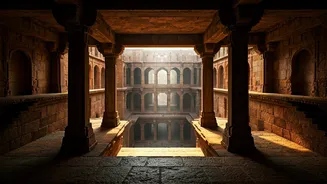
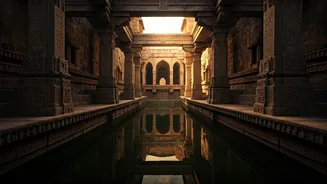
For centuries, stepwells were the lifeblood of communities across the arid regions of western India, particularly in Gujarat and Rajasthan. Far more than utilitarian reservoirs, they were architectural masterpieces and vibrant social hubs. These inverted temples were designed to provide year-round access to groundwater, with steps allowing people to descend to the water level as it fluctuated with the seasons. They were cool, shaded retreats from the scorching sun, places where travellers rested and locals, especially women, gathered, socialised, and performed rituals. Grand structures like the UNESCO World Heritage site Rani ki Vav in Patan, Gujarat, and the astonishingly deep Chand Baori in Abhaneri, Rajasthan, are adorned with intricate sculptures and carvings, telling stories of gods, goddesses, and daily life. They were feats of engineering, community centres, and sacred spaces all in one.
When Darkness Reveals
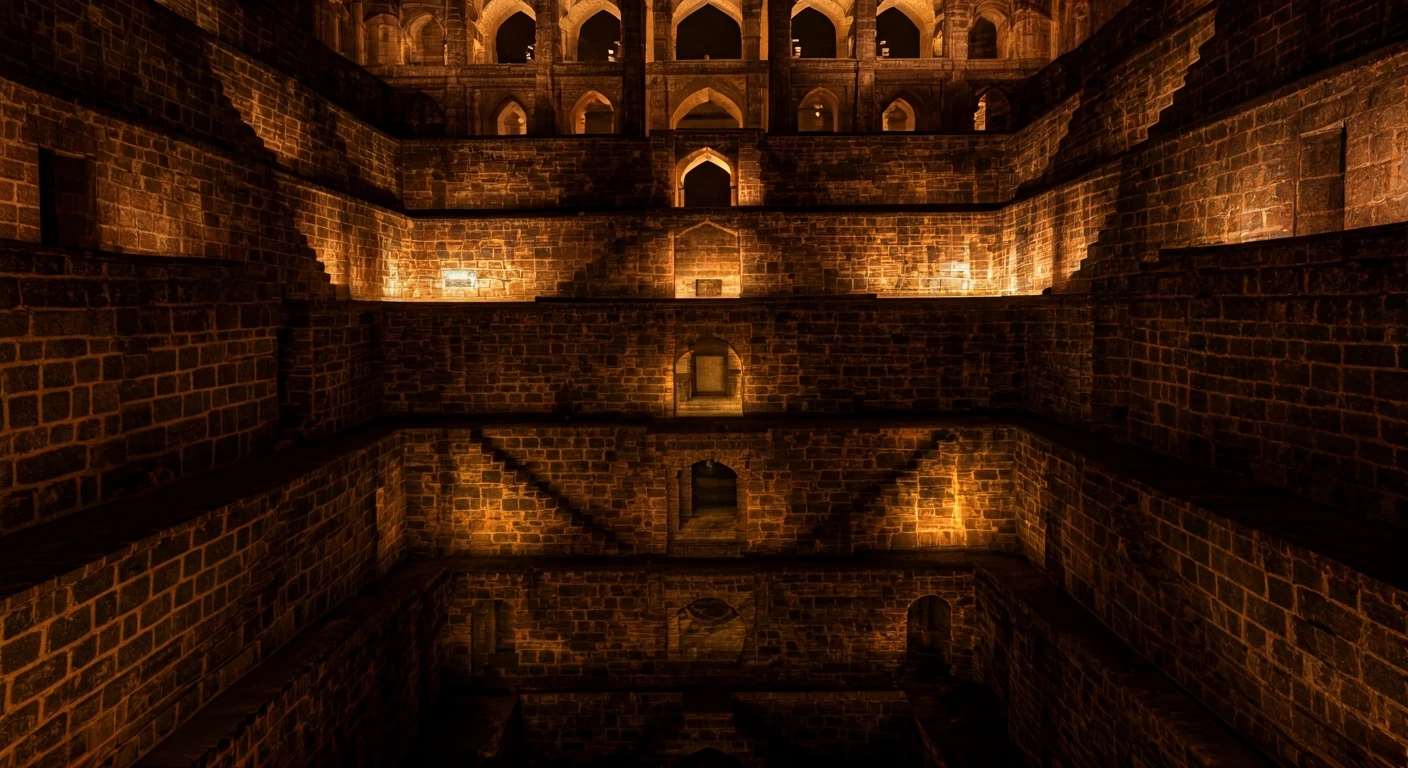
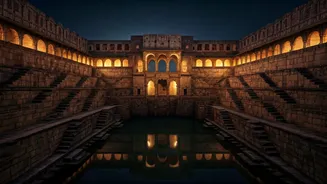
Photographing these structures at night is a deliberate act of seeking a different kind of truth. Daylight reveals a stepwell’s function and its place in the landscape. Night, however, reveals its soul. Architectural photographers use techniques like long exposure to capture details the naked eye misses. The camera, its shutter left open for minutes or even hours, drinks in the faint ambient light, rendering the stone with a soft, ethereal glow. The movement of the stars creates mesmerising trails across the sky, a poignant reminder of the centuries these structures have witnessed. By stripping away the distracting colours and harsh shadows of the day, night photography emphasises form, texture, and the sheer mathematical genius of the design. The repetitive patterns of the steps become a hypnotic, abstract composition.
The Art of Light Painting
Often, photographers don't just rely on moonlight. They engage in a delicate dance with the darkness using a technique called 'light painting'. Armed with torches, flashes, and coloured gels, the photographer moves through the scene during the long exposure, selectively illuminating different parts of the structure. A wall of intricate carvings can be 'painted' with a soft sweep of a flashlight, making it pop from the shadows. A deep, dark corridor can be given a mysterious, alluring glow. This isn't just documentation; it's a collaboration between the photographer and the architecture. It’s an interpretation, where the artist uses light to highlight specific features, create mood, and tell a story that is both ancient and intensely personal.
A Modern Look at Ancient Heritage
In an age of fleeting digital images, the patience and dedication required for night photography offer a powerful counter-narrative. These images do more than just showcase pretty ruins; they are acts of preservation. They draw our attention back to a heritage that is often overlooked or taken for granted. By presenting these stepwells in a dramatic, almost fantastical light, photographers create a renewed sense of awe and curiosity. They make us look again, more deeply, at the ingenuity and artistic vision of our ancestors. This modern lens doesn’t distort the past; it magnifies its magic, ensuring that the stories carved in stone continue to resonate with a new generation.