

Why Drainage Is Non-Negotiable
Imagine forcing a plant to sit with 'wet feet' all day. That's what happens in a pot without drainage holes. Plant roots need to breathe; they absorb oxygen from small air pockets within the soil. When water has no escape route, it saturates the soil,
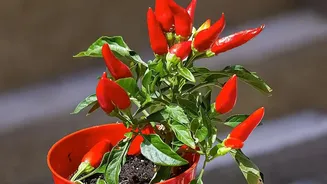
fills these pockets, and effectively suffocates the roots. This waterlogged environment is the perfect breeding ground for root rot, a fungal disease that turns healthy roots brown and mushy, quickly killing the plant. Thai chillies, in particular, are highly susceptible to this condition, making excellent drainage the single most important factor for their survival in a container.
The Right Pot Size for a Big Harvest
While it might be tempting to start with a huge pot, it's better to gradually increase the size as the plant grows. For a mature Thai chilli plant, however, you'll want a final container that is at least 10 to 12 inches in diameter and depth. This translates to a pot volume of roughly 7 to 10 litres, often referred to as a 3 to 5-gallon pot. This size provides ample room for a robust root system to develop without becoming compacted, which is essential for supporting a bushy plant and a large harvest of chillies. Too small a pot will restrict root growth and limit your plant's overall fruit production.
Choosing Your Pot Material
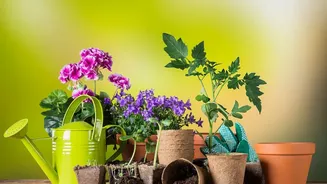
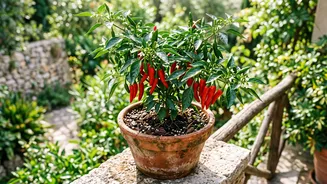
The material of your pot affects how it retains heat and moisture. Terracotta or clay pots are a popular choice for chillies. Their porous nature allows air and water to move through the sides of the pot, which helps the soil dry out faster and prevents waterlogging. However, this also means you will need to water your plants more frequently, especially in hot weather. Plastic pots are lightweight, affordable, and retain moisture for longer. This can be beneficial, but it also increases the risk of overwatering if you're not careful. If you choose plastic, be extra certain that it has plenty of drainage holes.
Creating the Perfect Soil Mix for Drainage
The right pot is only half the battle; the soil inside must also promote good drainage. Never use dense garden soil or topsoil in a pot, as it will compact and choke the roots. Instead, start with a quality, peat-free multi-purpose potting mix. To significantly improve aeration and drainage, amend this mix with perlite (the small, white, lightweight volcanic rocks) or coarse sand. A good ratio to follow is approximately two parts potting compost to one part perlite. This creates a light, airy medium that holds enough moisture for the plant while allowing excess water to drain away freely, keeping the roots healthy and happy.
What If My Perfect Pot Has No Holes?
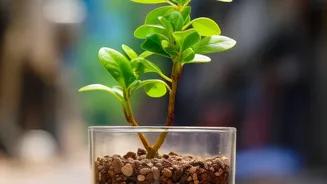
Sometimes you find the perfect decorative pot, but it lacks drainage. Don't despair. You can often add holes yourself. For ceramic, terracotta, or glass pots, a diamond-tipped drill bit used with a standard drill will work; just be sure to go slowly and apply gentle pressure to avoid cracking. For plastic pots, a regular drill bit is all you need. If drilling isn't an option, you can use a technique called 'double potting'. Plant your chilli in a plain plastic pot with drainage holes that fits inside your decorative pot. Place a few pebbles in the bottom of the decorative pot to create a reservoir, so the inner pot isn't sitting directly in any drained water. After watering, always empty the excess water from the outer pot's saucer.