





Prioritise Flexibility in All Bookings
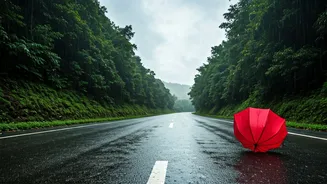
The single biggest mistake in monsoon travel planning is locking into rigid, non-refundable bookings. Weather is the undisputed star of the show, and it can be unpredictable. A sudden downpour can lead to flight delays, flooded roads, or closed trekking
trails. Smart travellers now opt for flexible booking options. When booking flights, consider paying a little extra for a 'flexi' fare that allows for low-cost or free date changes. The same logic applies to accommodation and transport. Look for hotels with generous cancellation policies and book cabs through platforms that allow for rescheduling without a hefty penalty. This flexibility is your insurance against losing money when a sudden change of plans is forced upon you.
Vet Your Adventure Operator Rigorously
For active trips involving trekking, rafting, or climbing, your choice of tour operator is critical. An experienced operator can be the difference between a memorable adventure and a dangerous ordeal. Don't be swayed by low prices alone, as this can sometimes indicate a compromise on safety or quality. Before booking, investigate the company's reputation through online reviews and testimonials. Ask direct questions: Are their guides certified in mountaineering and first aid? What are their specific safety protocols for monsoon conditions, like landslides or swollen rivers? A reputable company will be transparent about their safety measures, the quality of their equipment, and their emergency response plans.
Don't Skip the Travel Insurance
While often overlooked for domestic trips, travel insurance is non-negotiable for an active monsoon holiday. Adventure activities inherently carry more risk, from sprained ankles on a slippery trail to more serious accidents. A standard travel policy might not cover activities deemed 'risky,' such as mountaineering or rafting. It is essential to choose a plan that specifically includes adventure sports coverage. This becomes even more critical in remote locations where a medical emergency might require expensive evacuation. Good insurance also protects you from financial losses due to trip cancellations or interruptions caused by extreme weather, which is a common occurrence during the monsoon.
Research the Micro-Climate, Not Just the Region
The term 'monsoon' is not monolithic across India. While some regions are prone to dangerous flooding and landslides, others simply become greener and more beautiful with manageable rainfall. Instead of ruling out an entire state, do granular research. Places like Ladakh or parts of Rajasthan receive very little rainfall and can be perfect for road trips during this season. Even within a region like the Western Ghats, the intensity of rain can vary. Always check local and meteorological forecasts (like those from the IMD) before and during your trip. This detailed approach helps you choose destinations where the monsoon enhances the experience rather than derailing it, such as the blooming Valley of Flowers in Uttarakhand or the misty tea gardens of Munnar.
Pack for Water Management, Not Just Water Resistance
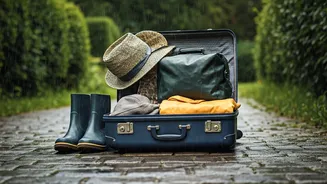
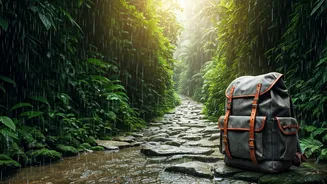
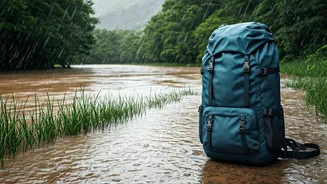
Smart booking is only half the battle; smart packing is the other. The key is to manage dampness, not just try to avoid it. Seasoned trekkers know that in continuous rain, even waterproof gear can fail. The goal is to keep your core essentials—electronics, sleepwear, and emergency supplies—bone dry. This is where dry bags are essential. Pack them inside your main backpack for a second layer of protection. Opt for quick-drying synthetic fabrics over cotton, which absorbs moisture and stays wet. Good, grippy footwear is crucial, but consider that waterproof boots can trap water inside; some experts prefer water-resistant boots that drain, paired with waterproof socks. Having the right gear ensures that even if you get wet, you can stay safe and comfortable.