



The Post-Monsoon Hair Challenge
The transition from the high humidity of the monsoon to the drier autumn air can wreak havoc on our hair. During the monsoon, high moisture levels in the air cause hair shafts to swell, making them weaker and more prone to breakage. This can lead to what
experts estimate is a 30% increase in hair fall. As the season changes, your scalp's natural oil balance can be disrupted, and it may still be recovering from issues like fungal growth or dandruff exacerbated by the damp weather. This combination of a stressed scalp and weakened hair shafts creates the perfect storm for hair shedding, leaving you with more strands in your brush than you'd like.
How Massage Activates Your Scalp
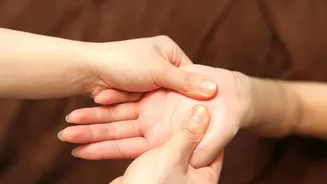
This is where the simple act of a scalp massage comes in. At its core, a scalp massage is a technique of applying gentle, circular pressure to the scalp using your fingertips or a specialized tool. The primary benefit is the stimulation of blood flow to the area. Increased circulation means more oxygen and essential nutrients are delivered directly to your hair follicles, which are the tiny pockets in your skin where hair growth begins. Think of it as ensuring your hair's foundation is well-fed and energized. Some studies have shown that regular scalp massage can significantly increase blood flow and may even lead to thicker hair over time.
Strengthening Roots From Within
So how does better blood flow translate to stronger roots? When your hair follicles receive a richer supply of nutrients, they become healthier and more robust. This strengthens the hair at the root, improving its 'grip' within the scalp and making it less likely to fall out prematurely. Beyond circulation, the physical act of massaging is believed to apply a gentle stretching force to the cells within the hair follicles. This mechanical stimulation can trigger cellular activity that supports hair thickness and health. Furthermore, massage helps distribute the scalp's natural oils (sebum), which moisturizes the hair and protects it from dryness and breakage. It also helps to loosen and remove product buildup or dead skin cells that can clog follicles and inhibit healthy growth.
Your Step-by-Step Massage Guide
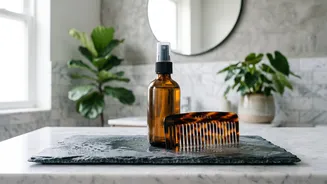
Incorporating a scalp massage into your routine is simple and requires no special equipment. You can do it on dry hair or while shampooing. Start by using the pads of your fingertips—never your nails, which can cause damage. Apply gentle to medium pressure and begin making small, circular motions. It's often best to start at the front of your hairline and slowly work your way back to the nape of your neck, ensuring you cover the entire scalp. For an enhanced experience, you can incorporate a nourishing oil like coconut, almond, or jojoba oil. Warm the oil slightly before applying it to help with absorption. A consistent massage for 5-10 minutes, a few times a week, is a great goal to start with.
Make It a Consistent Ritual
The key to seeing benefits from scalp massage is consistency. A one-time massage feels great, but it won't produce long-term results. Aim to make it a regular part of your hair care routine. You can perform a quick 5-minute massage daily or a more intensive 10-15 minute oil massage once or twice a week before you wash your hair. Don't apply excessive pressure, as this can be counterproductive and lead to breakage. The goal is to stimulate, not scrub. By being consistent, you create a healthier scalp environment, reduce stress (a known contributor to hair loss), and give your hair roots the support they need to stay strong through seasonal changes and beyond.