






The Allure of the Miracle Food
The idea of a single food acting as a medicine is deeply appealing. It offers a simple solution to complex health problems like heart disease, diabetes, or cancer. The term "superfood" itself, a marketing invention, suggests a food with near-magical properties.
While foods like blueberries, green tea, and leafy greens are packed with beneficial compounds like antioxidants and vitamins, the notion that they can single-handedly cure a disease is where the evidence falters. A therapeutic claim—that a substance can treat or cure a specific disease—is a high bar to clear, requiring the same level of rigorous scientific proof as a pharmaceutical drug. Foods, by their nature, are not drugs. They are complex collections of nutrients that work together within the body, and their effects are rarely as direct or potent as a targeted medication.
The Power of the Dietary Pattern
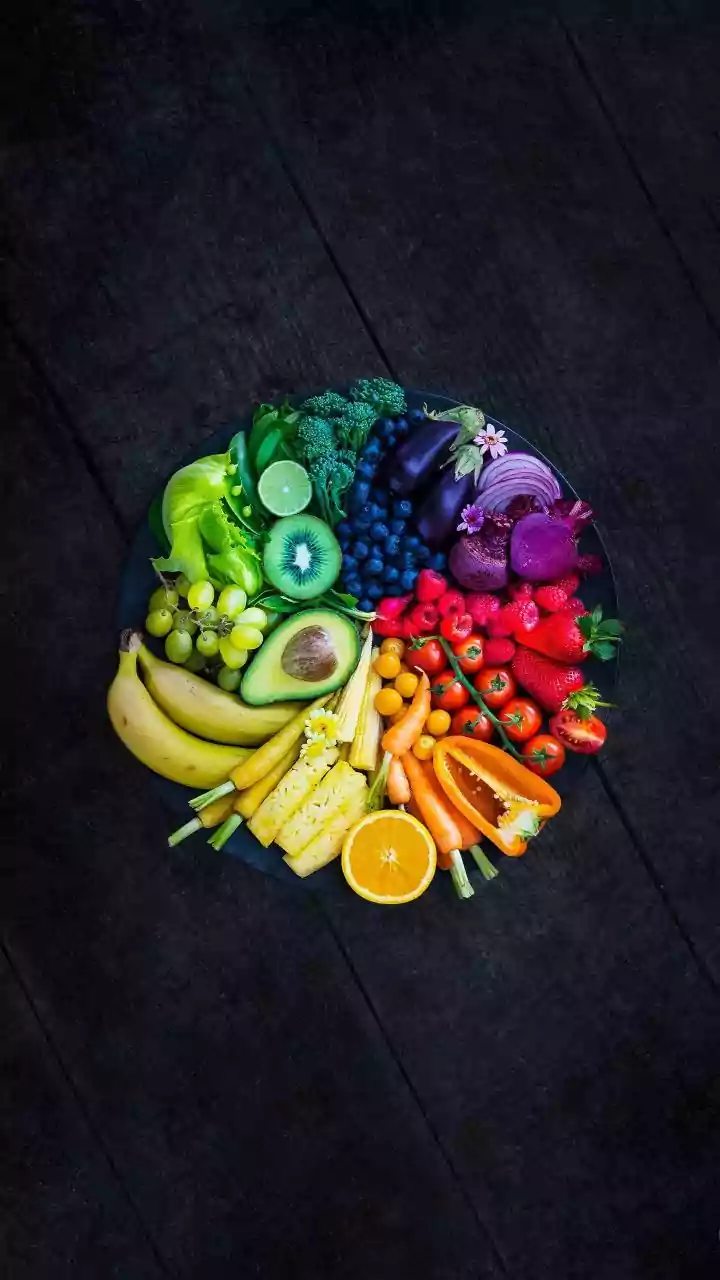
This is where "dietary inclusion" comes in, and it's a much more robust concept backed by extensive research. Instead of focusing on one miracle food, nutritional science increasingly points to the power of overall dietary patterns. Think of it like an orchestra: a single violin is lovely, but the power and complexity come from the entire symphony playing in harmony. Similarly, nutrients in foods have synergistic effects, meaning they work together to produce health benefits greater than any single nutrient could alone. Diets rich in a variety of fruits, vegetables, whole grains, legumes, and healthy fats are consistently linked to better health outcomes and lower risks of chronic disease. This approach focuses on the whole, sustainable pattern of eating, not on the impossible task of finding one perfect food.
So, Where Do 'Superfoods' Fit?
This doesn't mean you should toss out your turmeric or ignore the benefits of berries. These foods are nutritional powerhouses and absolutely have a place in a healthy diet. Their inclusion is what helps build that powerful dietary pattern. For example, many foods contain components with anti-inflammatory effects that can help combat the chronic, low-grade inflammation linked to many diseases. The key is context. The benefit comes from consistently including these foods in a balanced diet, not from consuming them in isolation with the expectation of a cure. Eating a variety of nutritious foods ensures you get a wide range of vitamins, minerals, and fibre that supports overall wellness, from gut health to a reduced risk of type 2 diabetes.
Decoding Health Claims on Labels
Understanding the language on food packaging can help you become a savvier consumer. There's a big difference between a "therapeutic claim" and other health-related statements. In many countries, a therapeutic claim suggests treatment for a disease and is highly regulated. More common are "structure/function" claims, like "calcium builds strong bones," which describe a nutrient's role in normal body function. You might also see "disease risk reduction" claims, such as "a healthy diet rich in vegetables and fruit may help reduce the risk of some types of cancer." These claims are about lowering risk as part of a healthy lifestyle, not about treatment. Being able to spot the difference helps you separate credible health support from unsubstantiated promises of a cure.