




Beyond Mere Illumination
For decades, lighting in many Indian households was a practical affair, often limited to a single ceiling fixture providing uniform, functional light. But as interior design sensibilities evolve, so has the role of light. Homeowners are now moving away
from this one-size-fits-all approach, viewing lighting as a critical decorative element that shapes mood, defines spaces, and adds character. The conversation has shifted from simply 'brightening a room' to creating an atmosphere that is warm, inviting, and a true reflection of the people who live there.
The Rise of the 'Collected' Home
This shift is closely tied to the growing trend of creating 'collected' or 'personal' spaces. Instead of interiors that look like they've been lifted from a catalogue, there's a desire for homes that tell a story. This means curating decor over time, mixing old with new, and choosing pieces that hold meaning. Lighting is a key player in this narrative. A sculptural floor lamp, a vintage chandelier, or a handcrafted table lamp can act as a piece of functional art, anchoring a room and serving as a conversation starter. These pieces are chosen not just for the light they cast, but for the personality and style they contribute even when switched off.
Layering Light for Mood and Ambiance
Interior designers now speak of a 'layered' lighting strategy, which is fundamental to this new approach. This involves combining three distinct types of lighting to create a rich, flexible, and visually comfortable environment. The first is 'ambient' light, the general illumination from ceiling fixtures or wall sconces that sets the overall tone. Next is 'task' lighting, which is focused light for specific activities like reading or cooking, provided by table lamps or under-cabinet lights. The final, and perhaps most transformative, layer is 'accent' lighting—spotlights or track lights used to highlight artwork, architectural details, or beloved objects, adding depth and drama to a space.
Statement Pieces Take Centre Stage
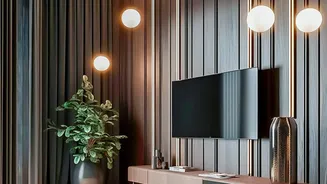
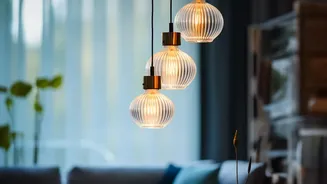
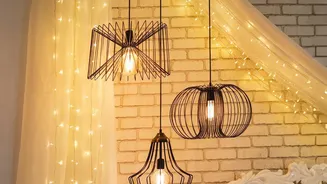
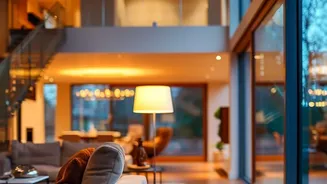
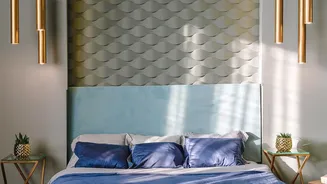
The most visible sign of this trend is the rise of statement lighting. Chandeliers are no longer reserved for grand, traditional halls; contemporary versions with abstract, geometric, or nature-inspired forms are becoming centerpieces in modern living rooms and dining areas. These fixtures are often sculptural and made from a mix of materials like brushed brass, smoked glass, natural fibres, and even stone. Similarly, oversized floor lamps and clusters of pendant lights over dining tables or kitchen islands serve as bold focal points, defining zones in open-plan homes and adding a touch of drama.
A Nod to Artisanal Craftsmanship
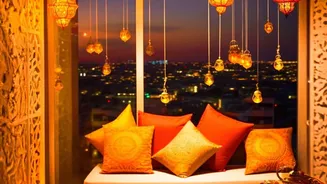
Parallel to global design trends, there's a renewed appreciation for local artistry and handmade goods in India. This is beautifully reflected in lighting choices, with a growing demand for fixtures made from materials like cane, jute, terracotta, and hand-worked metals. These pieces not only add texture and warmth but also bring a unique, culturally rooted story into the home. From hand-painted lampshades to intricately carved wooden bases, artisanal lighting celebrates craftsmanship and offers a connection to heritage in a contemporary context.