



Beyond Niche: What Is Micro-Cuisine?
We’re all familiar with niche food content. Think vegan cooking, sourdough baking, or keto recipes. Micro-cuisine content takes this a giant leap further into hyper-specificity. It’s not just about Italian food; it’s about the nearly forgotten pastoral
recipes of a single village in the Abruzzo mountains. It’s not just historical cooking; it’s a channel dedicated solely to recreating dishes eaten by sailors on 18th-century British naval ships. This is content that zooms in so tightly on a subject that it becomes a universe of its own. These creators are digital archivists, storytellers, and cooks rolled into one, documenting and sharing culinary traditions that are often unwritten, passed down through generations, or buried in obscure historical texts. This isn't about chasing trends; it's about preserving them.
A Craving for Authenticity
So, why is this deeply specific content so compelling? In an online world saturated with polished, studio-lit perfection and aspirational lifestyles, micro-cuisine offers a powerful dose of reality and authenticity. It’s often unpolished, filmed in a real person’s kitchen, and features a narrator whose passion is palpable. The appeal isn’t just in learning a new recipe, but in connecting with the story behind it. Viewers are drawn to the deep knowledge and genuine love these creators have for their chosen subject. This isn’t a celebrity chef performing for the camera; it's a guide sharing a secret world. It satisfies a hunger for content that feels real, educational, and deeply human, moving beyond the simple aesthetics of food into its cultural soul.
The New Generation of Food Storytellers
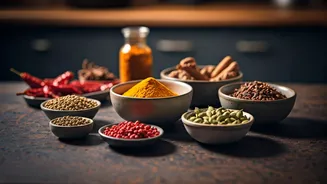
The stars of the micro-cuisine world are a diverse and fascinating group. You might find a creator documenting their grandmother’s entire repertoire of recipes from a specific region in India, carefully measuring by feel and explaining the significance of each spice. Elsewhere, a history buff might be recreating meals from ancient Rome using period-appropriate tools, explaining the socio-economic context of every ingredient. Another creator could be an expert on fermentation, dedicating their entire channel to the subtle variations of pickling traditions across Eastern Europe. These individuals are often not professionally trained chefs but librarians, academics, historians, or simply passionate descendants who have taken on the role of cultural custodian. Their authority comes not from a culinary school certificate, but from lived experience and obsessive research.
How Digital Platforms Fuel the Fire
This movement couldn't exist without modern digital platforms. In the past, a creator focused on, say, the specific cuisine of the Gullah Geechee people would have struggled to find an audience outside of a small academic circle. Today, social media algorithms on platforms like TikTok, YouTube, and Instagram are designed to connect users with niche interests. The hyper-specific nature of this content makes it easy for algorithms to identify and serve it to a small but highly engaged global audience. A video about a rare Sindhi pickle might find its way to thousands of people around the world who are either part of the diaspora, culinary historians, or simply curious foodies. This technology allows these micro-communities to form and thrive, ensuring these unique culinary traditions find a new life online.
More Than Just What's for Dinner
Ultimately, engaging with micro-cuisine content is about more than just finding your next meal. It’s a form of armchair travel, a history lesson, and a cultural deep-dive all in one. Following a creator who exclusively cooks the food of their ancestors is a powerful way to understand migration, identity, and resilience. Watching someone recreate a medieval peasant’s meal provides a tangible connection to the past that a textbook rarely can. This content reminds us that food is never just fuel. It’s a repository of memory, a marker of identity, and one of the most powerful ways we have to share our stories and connect with the stories of others. It’s a celebration of the fact that the most profound flavours are often found in the most specific places.