

Global Supply is Only the First Step
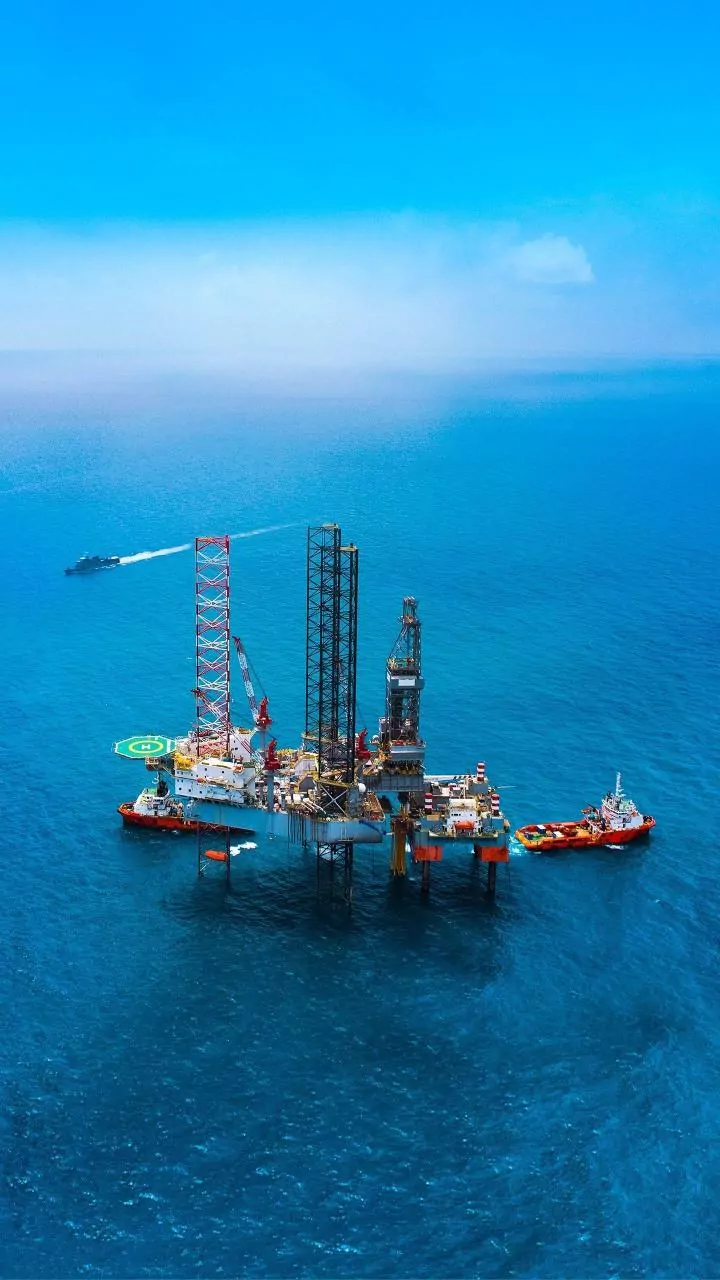
When major oil-producing groups like OPEC+ increase their output, it theoretically increases global supply, which should push prices down. However, the price of crude oil is just the starting point. International benchmarks like Brent crude are influenced
by global demand, geopolitical stability, and the strength of the US dollar, as oil is traded in dollars. For India, which imports over 85% of its crude oil needs, a weaker rupee against the dollar can offset any gains from lower crude prices, as we end up paying more rupees for each dollar's worth of oil. The price Indian refineries pay is based on a 15-day rolling average of international rates, which means there's a built-in time lag, preventing immediate price drops at the pump.
From Ship to Refinery to Depot
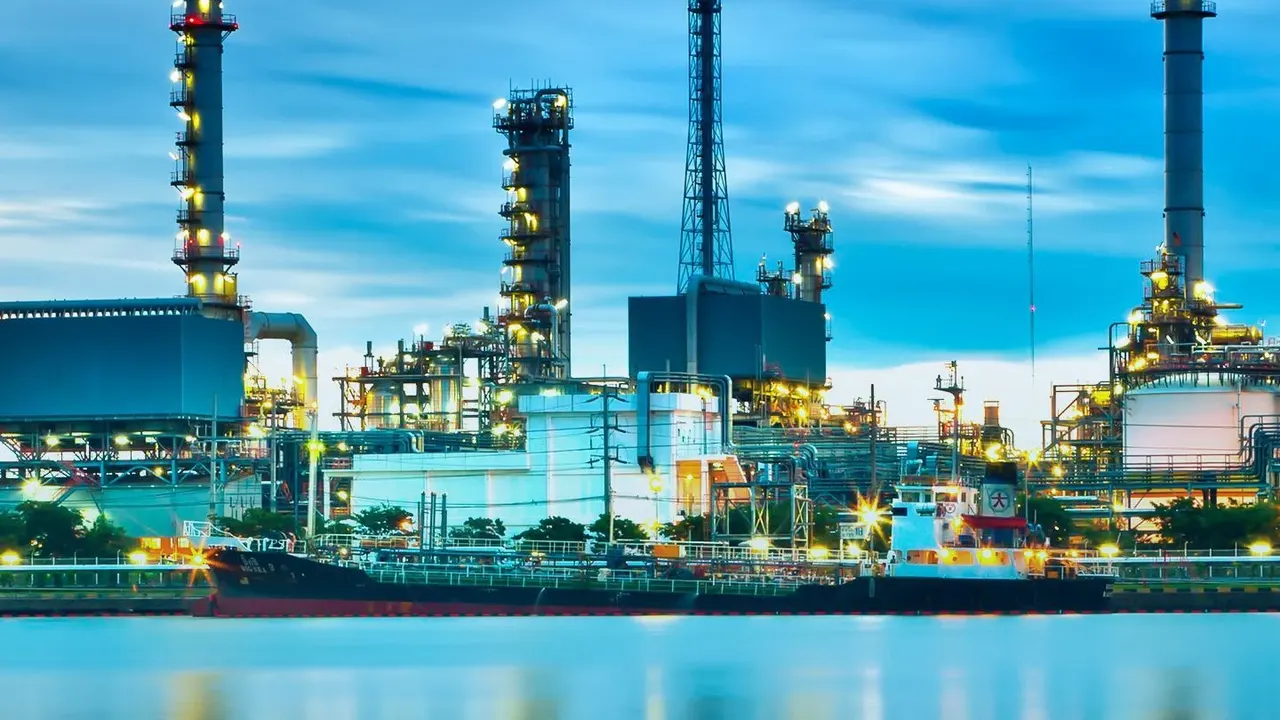
Once crude oil lands in India, it's not ready for your car. It is sent to refineries to be processed into finished products like petrol and diesel. This refining process adds to the cost. After refining, the fuel is transported from coastal refineries to depots across the country. These freight and logistics costs are added to the base price. Oil Marketing Companies (OMCs) like Indian Oil and BPCL then add their marketing margins. These companies sometimes absorb losses when international prices spike, and conversely, may not pass on the full benefit of a price drop to recoup earlier losses, which adds another layer of complexity.
The Heavy Hand of Taxes
This is the single largest component of the retail fuel price in India. Both the Central and State governments levy significant taxes on petrol and diesel. The Centre imposes a fixed excise duty, which includes various cesses like the Agriculture Infrastructure and Development Cess. Because this is a fixed amount per litre, its proportion of the total price increases when the base price of crude falls. State governments levy their own Value Added Tax (VAT), which is often a percentage of the total price (including the base price and central excise duty). This means when the price before VAT goes up, the tax amount also increases, compounding the final cost. These taxes can collectively account for over half the price you pay at the pump.
Why Not Include Fuel Under GST?
Bringing petrol and diesel under the Goods and Services Tax (GST) is often cited as a solution for high prices. If fuel were placed in the highest GST slab, prices could potentially fall significantly. However, petroleum products are a massive source of revenue for both central and state governments. States, in particular, are resistant to the idea because they would lose the autonomy to set their own VAT rates, resulting in a substantial loss of revenue that they use to fund public services and infrastructure projects. Until a consensus is reached in the GST Council, fuel will remain outside its purview.
The Final Litre: Dealer Commission
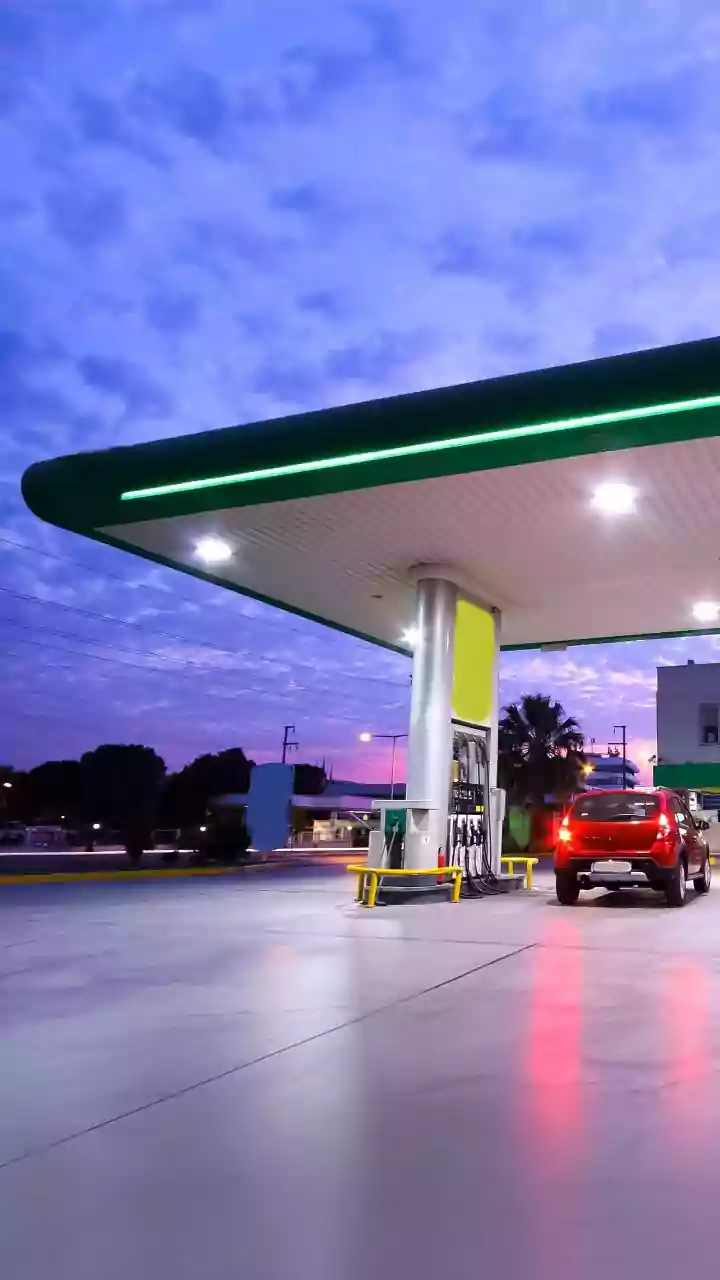
The last piece of the pricing puzzle is the dealer commission. This is the amount paid to the owner of the petrol pump for every litre of fuel sold. While it is a relatively small fraction of the total price, typically just a few rupees per litre, it is the final cost added before the fuel reaches your vehicle's tank. All these components—crude price, refining, freight, central taxes, state taxes, and dealer commission—are bundled into the final price you see displayed at the petrol station each morning.