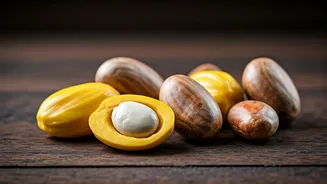





A Nutritional Powerhouse in Disguise
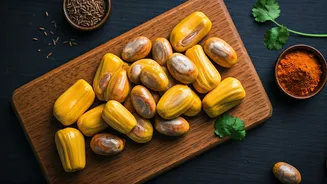
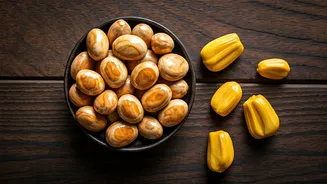
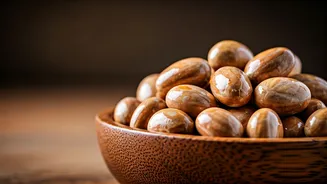
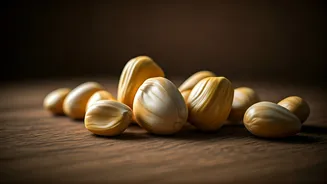
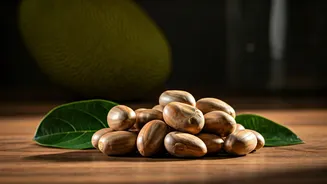
Often overlooked, jackfruit seeds are packed with essential nutrients. They are a good source of carbohydrates, protein, fibre, and resistant starch. They also contain vital minerals like magnesium, potassium, and iron, along with B vitamins such as thiamine
and riboflavin, which help your body convert food into energy. This impressive nutritional profile means they can help with everything from improving digestion to boosting your immune system. By using the seeds, you're not just getting these health benefits but also taking a simple, effective step towards a zero-waste kitchen.
Safety First: Never Eat Them Raw
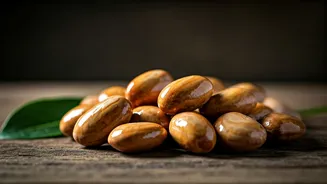
Before you start experimenting, there is one crucial rule: jackfruit seeds must always be cooked. Raw seeds contain anti-nutrients, like tannins and trypsin inhibitors, which can interfere with your body's ability to absorb nutrients and cause digestive issues. The good news is that heat completely deactivates these compounds, making the seeds safe and delicious. The most common methods are boiling or roasting. To boil, simply cover the seeds with water in a pot, bring to a boil, and simmer for 20-30 minutes until they are tender enough to be pierced with a fork. They can then be peeled and used in various dishes.
From Simple Snacks to Hearty Curries
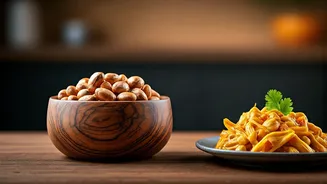
Once cooked, jackfruit seeds have a mild, nutty flavour and a starchy texture, often compared to potatoes or chestnuts. This makes them incredibly versatile. For a simple snack, you can roast the boiled seeds with a little salt and oil until they are golden brown. They are a popular addition to traditional Indian curries, where they add a hearty, satisfying texture. In many South Indian homes, jackfruit seeds are added to dishes like sambar or thoran (a stir-fry with coconut). You can also mash them to make a dip similar to hummus, slice them into salads, or even dry and grind them into a flour for baking.
How to Store for Year-Round Use
If you have more seeds than you can use at once, they are easy to preserve. For short-term storage, you can keep clean, dry, raw seeds at room temperature for a couple of weeks. For longer-term preservation, sun-drying is a traditional method that can make them last for up to a year. Another popular and easy method is to freeze them. You can freeze the seeds raw after washing and drying them. Alternatively, you can boil the seeds, peel them, and then store them in the freezer. This way, you'll have a ready supply to add to your meals anytime.