




What Exactly is the New Rule?
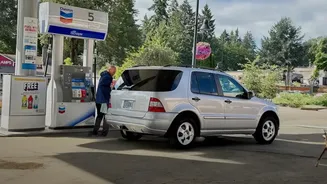
From October 1, 2026, all fuel stations across Delhi and the wider National Capital Region (NCR) are directed to refuse petrol, diesel, or CNG to any vehicle that does not have a valid Pollution Under Control (PUC) certificate. This move is an expansion
and stricter enforcement of a policy aimed at curbing vehicular emissions, a major contributor to the region's severe winter air pollution. To ensure compliance, many fuel stations are being equipped with Automatic Number Plate Recognition (ANPR) cameras that will verify your vehicle's PUC status with a central database before fuel is dispensed.
Why is This Being Enforced Now?
The timing is critical. Authorities are implementing this as part of a broader Graded Response Action Plan (GRAP) to manage the annual spike in air pollution during the winter months. Vehicular emissions are a significant source of pollutants that get trapped in the air due to meteorological conditions. By ensuring that only vehicles meeting emission standards are on the road, the government hopes to mitigate the severity of the upcoming pollution season. The Commission for Air Quality Management (CAQM) has directed all NCR states to coordinate on this and other anti-pollution measures.
What Are the Penalties for Non-Compliance?
Beyond being denied fuel, driving without a valid PUC certificate can lead to significant penalties. Under the Motor Vehicles Act, you can be fined up to ₹10,000. In some cases, it could also lead to imprisonment for up to six months or a suspension of your driving license for three months. These enforcement drives will be carried out by the transport department and traffic police, especially during the winter.
How to Get or Renew Your PUC Certificate
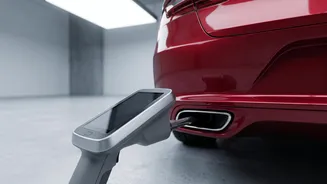
Getting a PUC test is a straightforward process. You need to take your vehicle to an authorised emission testing centre, which are often located at petrol pumps and service stations. A technician will use a gas analyser to measure your vehicle's exhaust emissions. If the levels of pollutants like carbon monoxide and hydrocarbons are within the prescribed limits, a certificate is issued. The process is primarily offline since the vehicle must be physically tested. For a new vehicle, a PUC certificate is required one year after its initial registration date. The cost for the test is nominal and set by the government.
Checking Your PUC Status Online
If you're unsure about your certificate's validity, you can easily check it online through the national Parivahan portal. You will need to enter your vehicle's registration number and the last five digits of its chassis number to view your PUC details. You can also use the portal to download a digital copy of your current, valid certificate. However, you cannot renew the certificate online; you must visit a testing centre for that.
Are There Any Exemptions?
Yes, some vehicles are exempt from this rule. All-electric vehicles (EVs) do not require a PUC certificate as they have zero tailpipe emissions. For new petrol or diesel vehicles, the certificate from the manufacturer is valid for one year, after which they need to be tested annually. The 'No PUC, No Fuel' rule applies to all petrol, diesel, and CNG vehicles. It's also part of a wider set of restrictions, including a ban on the entry of non-Delhi registered BS-IV and older vehicles into the city from November 1.