








The Problem with Plain Water
The advice to 'stay hydrated' is everywhere, but it's often oversimplified. When you engage in intense physical activity for an extended period—think a long run, a competitive football match, or a high-intensity training session lasting over an hour—your
body loses more than just water through sweat. You also lose crucial minerals called electrolytes, with sodium being the most significant. In humid conditions, this problem is magnified. The moisture in the air prevents sweat from evaporating off your skin, which is your body's primary cooling mechanism. Your body's response is to sweat even more to try and cool down, leading to accelerated fluid and electrolyte loss.
What Are Electrolytes, Anyway?
Electrolytes are essential minerals like sodium, potassium, calcium, and magnesium that carry an electric charge when dissolved in body fluids. They are vital for numerous bodily functions, including maintaining fluid balance, enabling muscle contractions, and facilitating nerve signal transmission. Think of them as the electrical wiring of your body. Sodium, in particular, is critical for controlling the amount of fluid in your body and for proper nerve and muscle function. Without enough of them, your body's systems can start to go haywire.
The Danger of Dilution
Here's the core of the issue: if you lose a large amount of sodium through sweat and replace it only with plain water, you risk diluting the sodium concentration in your blood. This condition is known as exercise-associated hyponatremia, and it can be extremely dangerous. In essence, you're not just dehydrated; you're creating a severe mineral imbalance. The low sodium levels cause cells to absorb excess water and swell, which is particularly dangerous for brain cells. This is what the term 'electrolyte exhaustion' describes—a state where your body's electrolyte stores are depleted and diluted, leading to significant physical and cognitive symptoms.
Signs of Electrolyte Imbalance
Recognising the symptoms of electrolyte imbalance is crucial for anyone who exercises intensely. Early signs can be subtle but should not be ignored. Common symptoms include persistent fatigue that isn't relieved by rest, muscle cramps or weakness, headaches, and nausea. As the imbalance worsens, you might experience more severe symptoms like confusion, dizziness, irritability, and an irregular heartbeat or palpitations. These are warning signs that your body is in distress and requires more than just water.
Smarter Hydration Strategies
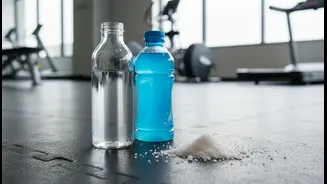
So, what should you drink? For workouts under an hour in moderate conditions, water is generally sufficient. However, for intense sessions longer than 60-90 minutes, especially in high heat and humidity, you need to replace lost electrolytes. Sports drinks are a convenient option as they contain carbohydrates for energy and electrolytes like sodium and potassium. You can also look for electrolyte tablets or powders to add to your water bottle. For a simple homemade solution, you can mix a small pinch of salt and a bit of sugar or fruit juice into your water. Some natural options like coconut water can also help, as they contain potassium and some sodium. The key is to replenish what you lose.