




Start with a Visual Sweep
Your first impression matters. Before you even look at the menu, take a moment to scan the environment. Are the floors, walls, and tables clean? A well-maintained dining area often suggests that similar standards are applied in the kitchen. Look out for dirty
or sticky tables, food debris on the floor, and overflowing dustbins. According to FSSAI (Food Safety and Standards Authority of India) guidelines, restaurant premises, including the dining area and restrooms, must be kept clean. A restaurant that cares about its public-facing appearance is more likely to care about what happens behind the scenes.
Observe the Staff and Service
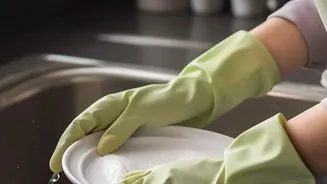
The people handling your food are a crucial part of the safety chain. Notice the state of the staff's uniforms—are they clean? Do kitchen staff visible from the dining area wear hairnets or hats? Proper personal hygiene for food handlers includes clean, short nails and no excessive jewellery. While gloves can be a good sign, frequent and thorough handwashing is even more important. Also, watch how food is served. Staff should avoid touching food with their bare hands, using clean utensils instead. Recent food safety drives in Bengaluru have emphasised the importance of medical fitness checks for food handlers.
Inspect Your Cutlery and Condiments
Once seated, take a quick look at the items on your table. Cutlery, glasses, and plates should be clean and free of smudges or old food particles. If you receive a dirty utensil, don't hesitate to ask for a replacement. Also, check the condiment bottles like ketchup and chilli sauce. Are they sticky, grimy, or topped with crusted residue? This can be a sign of infrequent cleaning and poor overall hygiene. Clean and well-maintained table items are a small but significant indicator of a restaurant's attention to detail.
Assess the Food Itself
Trust your senses. When your food arrives, it should be at the correct temperature—hot dishes should be steaming hot, and cold dishes should be properly chilled. Lukewarm food can be a breeding ground for bacteria. Look at the ingredients. Vegetables should appear fresh and crisp, not wilted or discoloured. If you're eating meat, chicken, or fish, it should smell fresh and have the right texture. An unusual smell or taste is a major red flag; if something seems off, it's best not to eat it. Don’t be afraid to discreetly bring it to the staff's attention.
The Restroom Is a Telltale Sign
It’s often said that the state of a restaurant's restroom reflects the state of its kitchen. It's a surprisingly accurate rule of thumb. A clean, well-stocked restroom with soap and a means to dry hands shows that the management prioritises hygiene throughout the establishment. If the restroom is neglected, dirty, or lacks basic supplies, it raises questions about the hygiene standards in areas customers can't see, like the kitchen. FSSAI guidelines mandate that restaurants must provide adequate and clean restroom facilities.
Look for the FSSAI License
In India, all food business operators, including restaurants, are required to have an FSSAI license or registration, which should be prominently displayed on the premises. This license indicates that the establishment is registered with the food safety authority and is legally obligated to follow its regulations. Recent mandates also require the license number to be displayed on menus and platforms like Swiggy and Zomato. Seeing the certificate is a sign that the business is accountable to a regulatory body.