





An Antidote to Modern Burnout
For many, the return to slow train travel is less about nostalgia and more about rebellion. It is a quiet but firm rejection of ‘hustle culture,’ where every moment, including holidays, is optimised for maximum efficiency. The modern vacation can often
feel like a checklist, a race to see the most sights and post the best pictures, leaving travellers more exhausted than when they left. Slow travel, and train journeys in particular, offer an alternative. The philosophy is simple: the journey itself is the destination. It’s a deliberate choice to disconnect from the pressure to be productive and instead connect with the world in a more meaningful, present way. This shift aligns with a broader wellness trend that values mindfulness and mental well-being over constant activity.
A Window Seat to the World
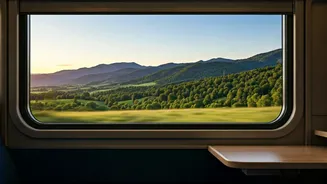
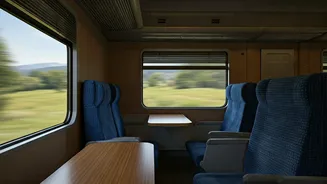
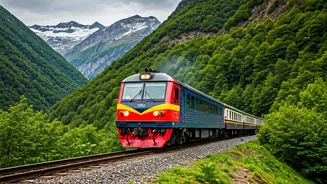
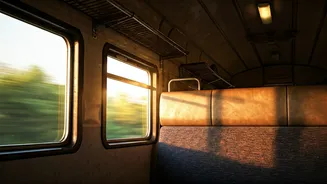
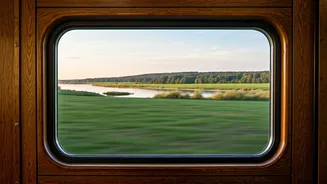
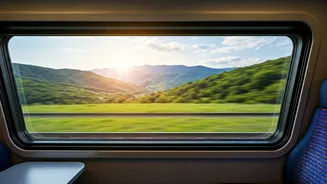
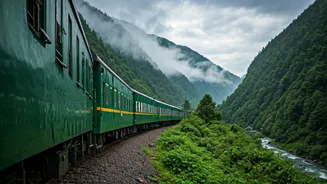
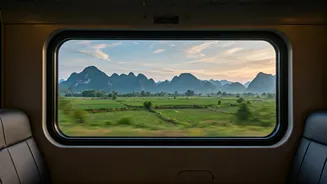
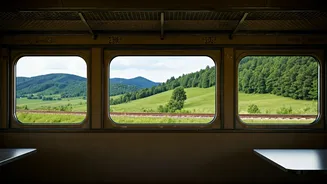
Unlike air travel, which presents the world as a map of disconnected points, train travel offers a continuous, unfolding narrative. It’s about watching the urban sprawl give way to rolling fields, and fields transform into rugged mountains. In India, this experience is being elevated by the introduction of Vistadome coaches on several scenic routes. These special carriages, with their panoramic windows and glass roofs, are designed to immerse passengers in the landscape. Routes like the Bangalore-Mangalore line through the Western Ghats, the Kalka-Shimla Railway, and the journey through the Araku Valley become mobile viewing galleries. You don't just pass through a place; you witness its gradual changes, its small towns, and the life that happens between the major stops.
The Renaissance of the Sleeper Train
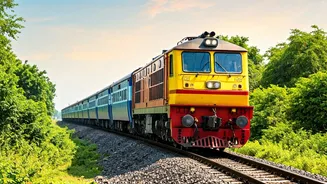
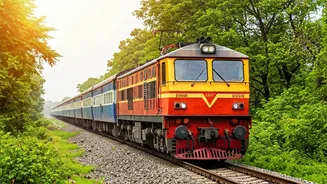
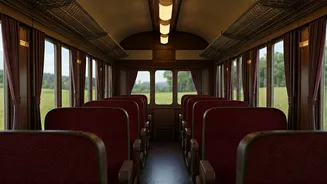
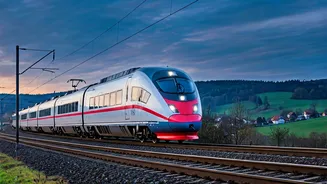
Tangible proof of this trend is the global comeback of the sleeper train. Once considered a relic of a bygone era, decimated by the rise of budget airlines, overnight train services are seeing a remarkable revival, particularly in Europe. Driven by a combination of climate consciousness and a desire for more experiential travel, new routes are connecting major cities. Modern sleeper trains offer a range of comforts, from private cabins with showers to cosy bunks, allowing travellers to save on a night's accommodation and wake up in a new city. While India's extensive network of sleeper trains never truly went out of style, this global resurgence reinforces the enduring appeal of falling asleep to the rocking of the carriage and waking up to a new horizon.
More Than Just a Slower Pace
The appeal of slow train travel runs deeper than simply avoiding the stress of airports. It’s an inherently more sustainable way to travel. Taking a train instead of a plane can slash carbon emissions, a factor that is increasingly influencing travel decisions. It also fosters a different kind of connection. The communal spaces of a train, the shared meals in a dining car, and the leisurely pace encourage interactions with fellow travellers and locals in a way that is rare in other forms of transport. It promotes a deeper cultural immersion, encouraging travellers to support local businesses and understand a destination beyond its tourist hotspots. The end result is a journey that is not only lighter on the planet but also richer in human experience.