






The Foundation of Your Rights: DGCA Rules
In India, passenger rights during flight disruptions are not mere suggestions; they are mandated by the Directorate General of Civil Aviation (DGCA). These rules, outlined in the Civil Aviation Requirements (CAR), compel airlines to provide specific facilities
and compensation. The framework covers everything from last-minute cancellations to long delays and denied boarding. The goal is to ensure travellers are not left shouldering the entire burden when things go wrong. These regulations apply to all flights operating to, from, and within India, regardless of the airline's nationality. While the headline's “Update” points towards recent discussions and changes, the core protections are found within this existing DGCA passenger charter.
Cancellations: Your Right to a Refund or New Flight
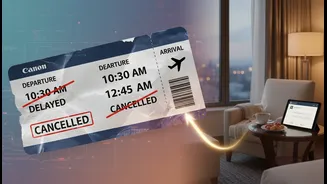
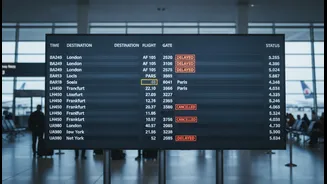
If your airline cancels your flight, you are entitled to a choice: either a full refund or an alternative flight at no additional cost. The level of additional compensation depends on when you were notified. If the airline informs you of the cancellation less than 24 hours before departure, you are entitled to monetary compensation ranging from ₹5,000 to ₹10,000, depending on the flight's block time, in addition to a full refund if you decline the alternative flight offered. However, this cash compensation does not apply if the cancellation was caused by extraordinary circumstances beyond the airline's control, such as severe weather or political instability. Even in such cases, your right to a full refund or a different flight remains.
Delays: When the Airline Must Provide Care
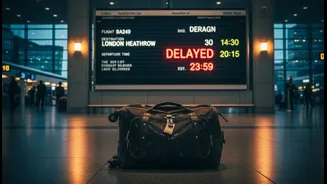
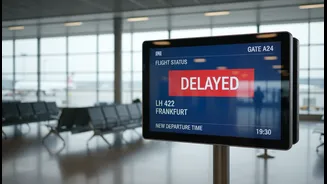
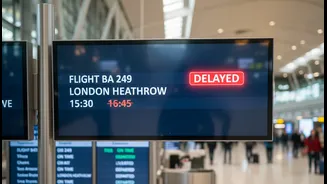
While cash compensation is not typically provided for delays themselves, airlines have a mandatory duty of care. If your flight is delayed by two hours or more, the airline must provide you with free meals and refreshments. This rule applies regardless of the reason for the delay, including bad weather. Should a delay extend overnight, or for more than six hours for flights scheduled between 8 p.m. and 3 a.m., the airline is obligated to provide you with hotel accommodation and transport between the airport and the hotel. For domestic flights delayed by more than six hours, you have the option to abandon your travel and claim a full refund of your fare.
The Refund Process: Timelines and Agent Bookings
Recent DGCA rule changes have put the responsibility for refunds squarely on the airlines, even if you booked through a travel agent or online portal. This is a significant clarification, ensuring passengers are not caught between the airline and a third-party seller. The rules mandate a clear timeline for processing these refunds. For tickets paid for by card, the airline must process the refund within seven working days. For tickets booked via a travel agent, the airline must ensure the refund is processed within 14 working days. If you paid in cash, you are entitled to an immediate refund at the airport.
Denied Boarding: What Happens in Case of Overbooking
Airlines sometimes sell more tickets than available seats, leading to denied boarding. If you are bumped off a flight against your will, you are entitled to significant compensation. DGCA rules mandate compensation of up to 400% of your one-way base fare plus the fuel surcharge, with a maximum cap of ₹20,000. This is in addition to being provided with an alternative flight. If you decide not to take the alternative flight offered by the airline, you are still entitled to the compensation as well as a full refund on your original ticket.
How to Act: Claiming Your Dues
Knowing your rights is the first step; acting on them is the next. If you face a disruption, first approach the airline's staff at the airport or contact their customer care. Clearly state the issue and the provision you are entitled to. Document everything: keep your boarding pass, take screenshots of cancellation notices, and save receipts for any expenses like food or transport. If the airline does not resolve your issue satisfactorily, you can escalate the complaint to the government's AirSewa portal (airsewa.gov.in), which is monitored by the DGCA. For unresolved financial claims, you can also approach a consumer court.