




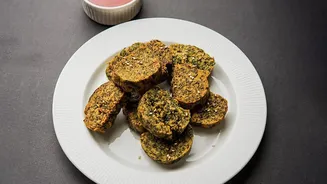

The Power of Pudina and Jeera
Mint (pudina) and cumin (jeera) are more than just flavour agents; they are cornerstones of traditional Indian remedies. Mint is celebrated for its cooling properties and its ability to aid digestion and soothe the stomach. It lends the chutney its signature
refreshing aroma and taste. Cumin, on the other hand, provides a warm, earthy, and nutty undertone that adds depth and complexity. For generations, cumin has been used in Ayurvedic and traditional medicine to treat digestive issues, from indigestion to diarrhoea. It also possesses antibacterial properties. Together, they create a condiment that not only tastes incredible but also supports your digestive wellness.
Gathering Your Ingredients
The beauty of this chutney lies in its simplicity and the freshness of its components. You'll likely find most of these in your pantry already. For the most vibrant flavour, use the freshest herbs you can find. Here’s what you need: Fresh mint leaves (pudina), fresh coriander leaves (dhania), green chillies for a spicy kick, a small piece of ginger, roasted cumin powder (bhuna jeera), lemon juice, salt to taste, and a little water to help it blend. Many recipes also include coriander, which adds a bright, citrusy flavour and helps balance the strong menthol of the mint. A common ratio is two parts coriander to one part mint for a well-rounded taste.
Step-by-Step: Crafting the Chutney
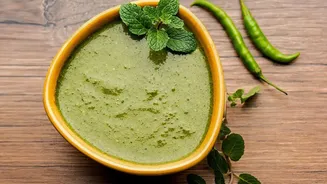
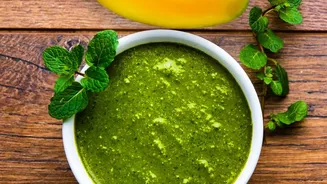
Making mint cumin chutney takes less than 15 minutes and requires no cooking. Start by thoroughly washing your mint and coriander leaves. It's important to use only the leaves of the mint, as the stems can impart a bitter taste. Combine the mint leaves, coriander leaves, chopped green chillies, ginger, roasted cumin powder, and salt in a blender. Add the lemon juice and a few tablespoons of ice-cold water. Using cold water or even ice cubes is a popular trick to help the chutney retain its brilliant green colour by preventing the heat from the blender blades from oxidizing the herbs. Blend everything until you have a smooth, consistent paste. You can adjust the amount of water to achieve your desired thickness. Taste and adjust the salt or lemon juice if needed. Your fresh, homemade chutney is now ready to serve.
Tips for a Perfect, Vibrant Green Chutney
The biggest challenge with homemade green chutney is preventing it from turning a dull, dark colour. The key is to combat oxidation. Adding lemon juice right at the start of blending is crucial, as its acidity helps to inactivate the browning enzymes in the herbs. As mentioned, using ice-cold water or a few ice cubes keeps the mixture cool during blending, which also slows down oxidation. For a creamier, restaurant-style texture, you can stir in thick yogurt after blending. This not only adds a lovely richness but the dairy can also help prevent the chutney from separating. If you don't have yogurt, a few soaked cashews added to the blender can also help thicken the chutney and give it a nice consistency.
Serving Suggestions and Storage
Mint cumin chutney is the undisputed king of condiments in the Indian snack world. It is the perfect partner for hot samosas, crispy pakoras, kebabs, and paneer tikka. Don't limit it to just snacks, though. Use it as a spread for sandwiches, kathi rolls, and wraps to add a layer of fresh, spicy flavour. It’s also a fantastic accompaniment to main courses like biryani or pulao, either on its own or mixed with yogurt to create a cooling raita. To store your chutney, place it in an airtight glass container in the refrigerator, where it will stay fresh for up to a week. For longer storage, pour the chutney into an ice cube tray and freeze it. This allows you to thaw out small portions as needed, ensuring you always have a taste of freshness on hand.