




Build a Foundation of Timeless Staples
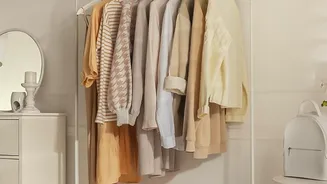
The secret to a hard-working wardrobe isn't having more clothes; it's having the right ones. Start by building a core collection of timeless, high-quality staples in neutral colours. Think classic white shirts, well-fitting dark wash jeans, tailored trousers,
and simple blouses. These foundational pieces are seasonless and can be dressed up or down. A good pair of chinos and a polo shirt, for example, can handle a casual office day or a weekend brunch. The goal is to invest in items that are easy to mix and match, forming the backbone of countless outfits. By focusing on quality over quantity, you create a reliable base that won't go out of style. Most people only wear a small fraction of their closet anyway, so focusing on versatile pieces simplifies getting dressed.
Master the Art of Intentional Layering
Layering is the key to adapting a single outfit for fluctuating temperatures throughout the day. But it's more than just throwing on a jacket. The most effective layering involves creating combinations where each piece feels intentional. Start with a comfortable base layer, add a light insulating middle layer like a cardigan or denim jacket, and finish with an outer layer that can handle wind or light rain, such as a trench coat. This three-part system allows you to peel off layers as the day warms up without ruining the look of your outfit. A shirt-jacket or 'shacket' is another perfect middle layer for days that only require light outerwear. Accessories like scarves can also add warmth without the bulk of a heavy coat.
Choose Your Fabrics Wisely
The material of your clothing is crucial for comfort in changing weather. For hot and humid conditions, prioritise breathable, lightweight fabrics like cotton, linen, and rayon that absorb moisture and allow air to flow. During colder months, focus on insulating fabrics that trap body heat, such as wool, cashmere, and fleece. For transitional periods like spring and autumn, adaptable fabrics like denim, light wool, and cotton jersey provide warmth without causing overheating. When rain is a possibility, quick-drying, water-resistant materials like polyester and nylon are your best friends. It's wise to avoid cotton as a base layer in cool, damp conditions because it holds moisture and can make you feel colder if you sweat.
Embrace Multi-Functional and Transitional Pieces
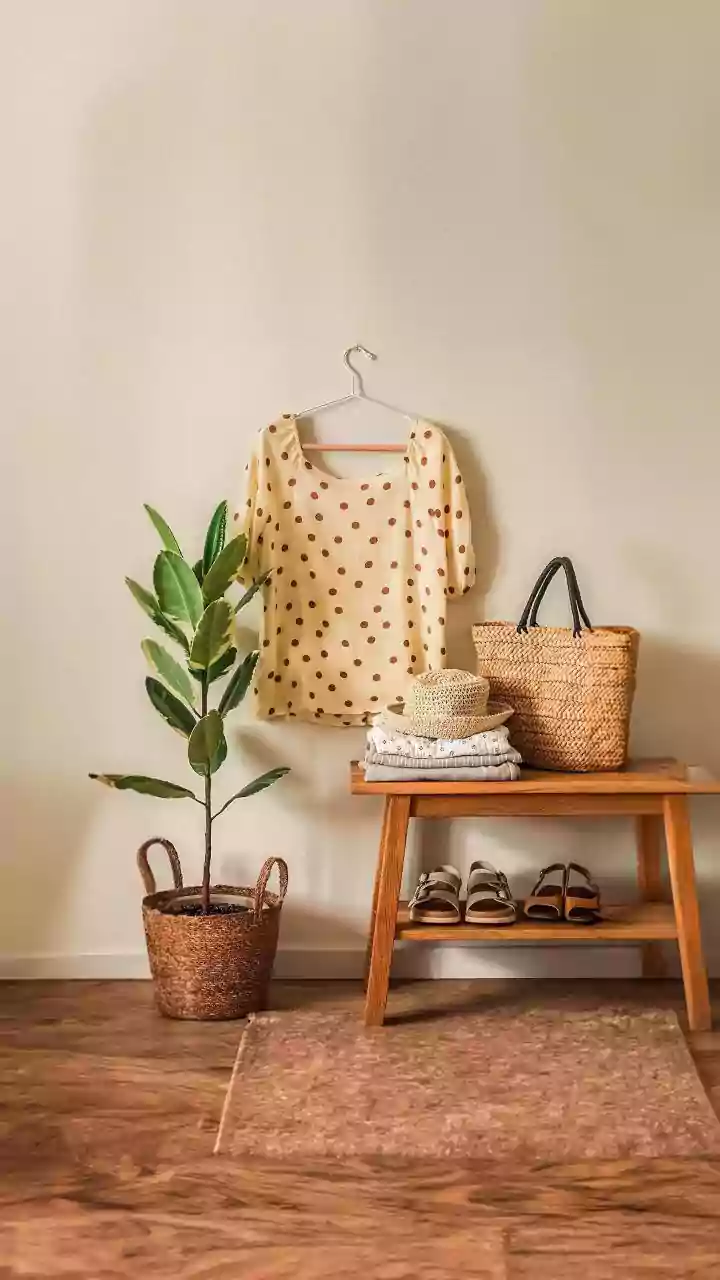
To maximise a small space, every item should earn its place. Opt for pieces that can transition between seasons. A midi dress, for instance, can be worn with sandals in the summer, paired with a denim jacket in the spring, and layered with tights and a sweater in the autumn. Jumpsuits are another versatile option that can be dressed up or down for different occasions and weather. Don't be too quick to pack away your seasonal clothes. Many summer pieces, like a maxi skirt or linen trousers, can be adapted for cooler weather by pairing them with a knit sweater or boots. This approach of gradually rotating items rather than doing a complete seasonal swap keeps your options fresh and your wardrobe versatile.
Implement Smart Storage Solutions
Even with a minimal wardrobe, managing off-season clothes in a small space requires smart organisation. Utilise under-bed storage containers for items you don't need immediate access to; shallow bins with wheels are especially convenient. For bulky winter wear like coats and heavy sweaters, vacuum-sealed bags can compress them to a fraction of their size, making them easier to store on high shelves or in a cupboard. Label everything clearly so you can find what you need without a frustrating search. Within your closet, use slim hangers or cascading hooks to maximise vertical space. A simple seasonal rotation—moving current-season items to the front and off-season ones to the back—can make a huge difference in your daily routine.