



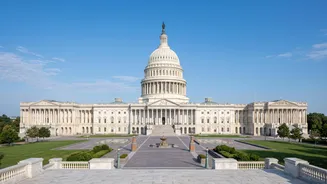
A New Political Landscape in Washington
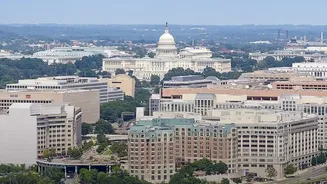
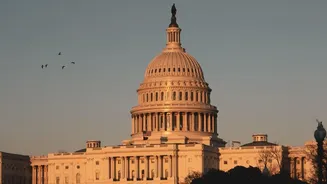
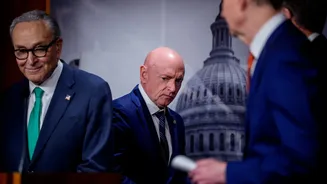
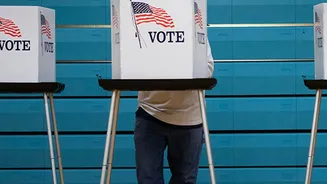
The results of the November 2026 midterm elections have handed control of both the House and Senate to the Democratic party, creating a divided government for the remaining two years of the Republican presidential term. Historically, the party holding
the presidency often loses seats in midterm elections, but this decisive shift is being widely interpreted as a public response to key foreign policy and economic issues, including an ongoing conflict with Iran and the impact of trade tariffs on the cost of living. With Democrats controlling Congress, President Donald Trump's administration now faces significant legislative opposition for the first time, setting the stage for political gridlock.
The Power of Congress in Foreign Affairs
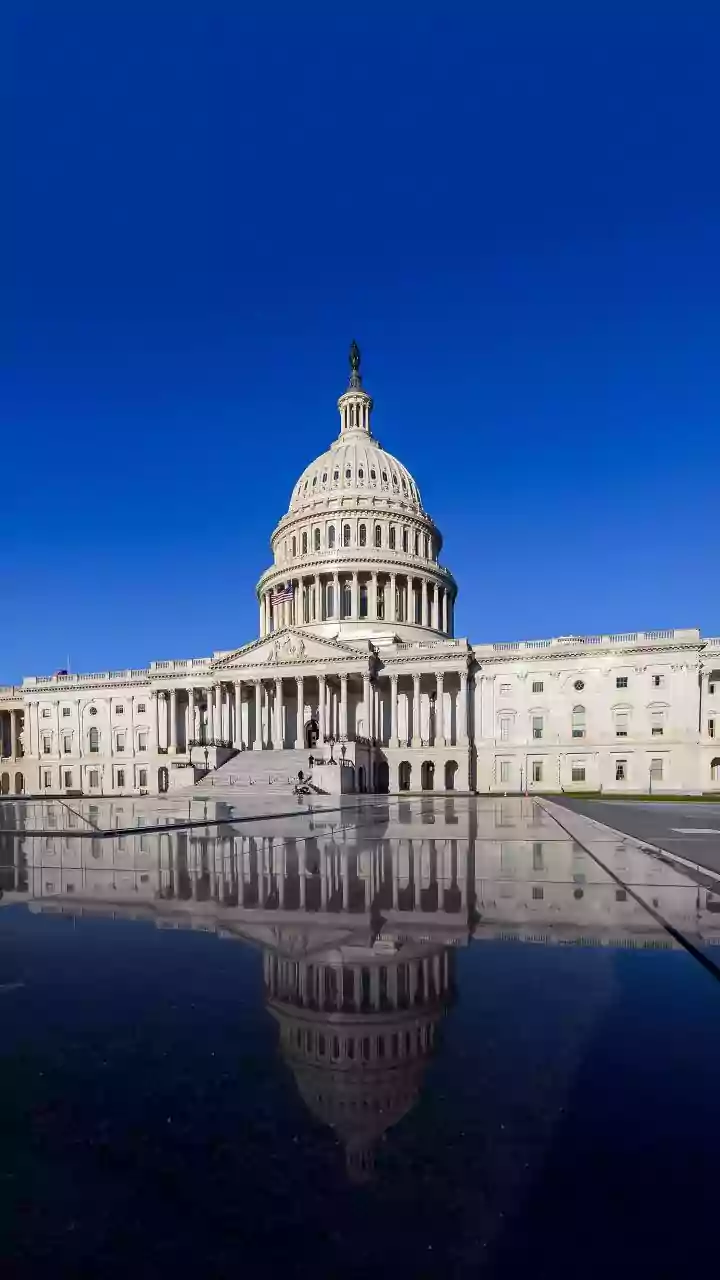
While the President holds substantial authority in foreign policy, Congress possesses powerful tools of influence. These include the 'power of the purse'—control over the federal budget—sanctions legislation, and the ability to conduct oversight through hearings and investigations. The new Democratic majority is expected to use this leverage to challenge the administration's agenda. This could manifest as attempts to curb military operations by restricting funds, re-evaluating foreign aid packages, and scrutinizing trade policies that have been enacted unilaterally. However, overcoming a presidential veto requires a two-thirds majority in both chambers, a high hurdle that will necessitate some bipartisan support.
Key Arenas of Contention
Several key foreign policy areas are likely to become points of friction. Support for Ukraine in its conflict with Russia, which has seen broad bipartisan backing in the past, could be reinforced through new aid packages that Democrats may champion. Conversely, the administration's military engagement with Iran will face intense scrutiny, with Democrats potentially using their budget control to force a de-escalation. On trade, the widespread use of tariffs under the Trump administration will be heavily debated, as rising costs have been a top concern for voters. Allies in Europe and the Indo-Pacific will be watching closely, as the internal US political battle could lead to an unpredictable and less consistent American foreign policy.
The Unpredictable Trump Factor
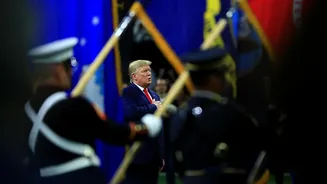
Even with a Congress controlled by the opposition, the President remains the primary driver of foreign policy. Facing domestic gridlock, presidents often pivot to focus more on international affairs, where they have more unilateral power. There is speculation that President Trump may double down on his 'America First' agenda through executive actions and diplomatic maneuvering to secure legacy-defining achievements. Donald Trump's approach has often been transactional and challenges traditional Republican foreign policy orthodoxy, which emphasizes alliances and free trade. His personal, often impulsive style means that allies and adversaries must prepare for potential abrupt shifts in policy, regardless of congressional opposition. The internal struggle within the Republican party—between traditional internationalists and the 'America First' wing—adds another layer of unpredictability.