








Ginger: The Warming Wonder
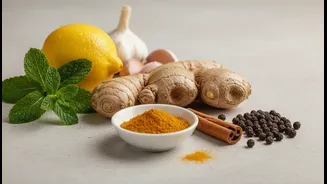
A staple in Indian kitchens, ginger is a monsoon powerhouse. Its anti-inflammatory and antibacterial properties make it excellent for fighting off colds and flu. During the damp season when digestion can become sluggish, a bit of ginger can stimulate
digestive enzymes, reducing bloating and indigestion. A warm cup of ginger tea is not just comforting on a rainy day; it's a shield for your immune system.
Turmeric: The Golden Healer
Known for its powerful anti-inflammatory compound, curcumin, turmeric is a must-have for monsoon wellness. It helps boost immunity and protect the body from infections that are common during this season. Adding a pinch of turmeric to milk or your daily cooking can help keep respiratory infections at bay and support overall health.
Garlic: The Pungent Protector
Garlic is another kitchen hero with potent antiviral and antibacterial properties. Incorporating it into your soups, dals, and vegetable dishes can help strengthen your body's defenses against common monsoon ailments. It supports immunity and is particularly effective in protecting against the seasonal cold and flu.
Millets: The Ancient Grains
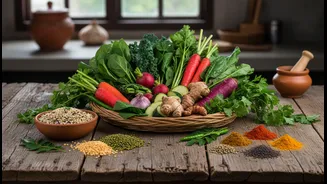
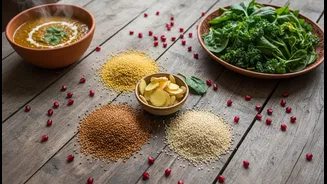
Millets like ragi and bajra are fantastic additions to a monsoon diet. They are light, easy to digest, and packed with fiber, which is crucial when the digestive system slows down. Being naturally warming, they provide comfort and sustained energy during cooler, damp days. Their high mineral content, including iron and zinc, also helps in boosting immunity.
Probiotics: The Gut Guardians
Foods rich in probiotics, such as homemade curd (dahi) and buttermilk (chaas), are essential during the monsoon. They introduce beneficial bacteria into your gut, which is vital for both digestion and a strong immune response. A healthy gut is your first line of defense against the pathogens that thrive in the humid environment.
Bitter Gourd: The Cleansing Vegetable
While its taste might be an acquired one, bitter gourd (karela) is incredibly beneficial during the rainy season. It is packed with antioxidants and has antiviral properties that help cleanse the system and bolster immunity. Ayurveda recommends light, easy-to-digest vegetables like bitter gourd during the monsoon to keep the digestive fire strong.
Bottle Gourd: The Hydrating Hero
Bottle gourd (lauki) is another vegetable that shines during the monsoon. It is easy to digest and has a high water content, helping you stay hydrated. It is also rich in essential minerals and fiber. As it's best to avoid raw salads during this season due to contamination risks, well-cooked vegetables like lauki are a safe and healthy choice.
Pomegranate: The Antioxidant Gem
This fruit is loaded with powerful antioxidants and vitamin C, both of which are crucial for a strong immune system. Its anti-viral properties can help protect you from common infections. Unlike many other fruits, its thick peel offers good protection, making it a safer choice during a season where food contamination is a concern.
Black Pepper: The Bioavailability Booster
This common spice does more than just add heat. Black pepper has antibacterial properties and helps relieve chest congestion. Furthermore, it significantly enhances the absorption of curcumin from turmeric, a phenomenon known as bioavailability. Adding a pinch of pepper to your turmeric-spiced dishes amplifies their health benefits.
Nuts & Seeds: The Nutrient Powerhouses
A small handful of almonds, walnuts, and pumpkin seeds can provide essential nutrients that support your immune system during the monsoon. Almonds are rich in vitamin E, while walnuts provide omega-3 fatty acids that combat inflammation. Pumpkin seeds are a great source of zinc, a mineral critical for the function of immune cells.