





Have you noticed the price tags on clothes lately? A complex tug-of-war involving cotton, import duties, and global competition is putting pressure on India's textile industry, raising a critical question: will your next shopping trip be heavier on your wallet?
The Heart of the Matter: A Tug-of-War Over Cotton
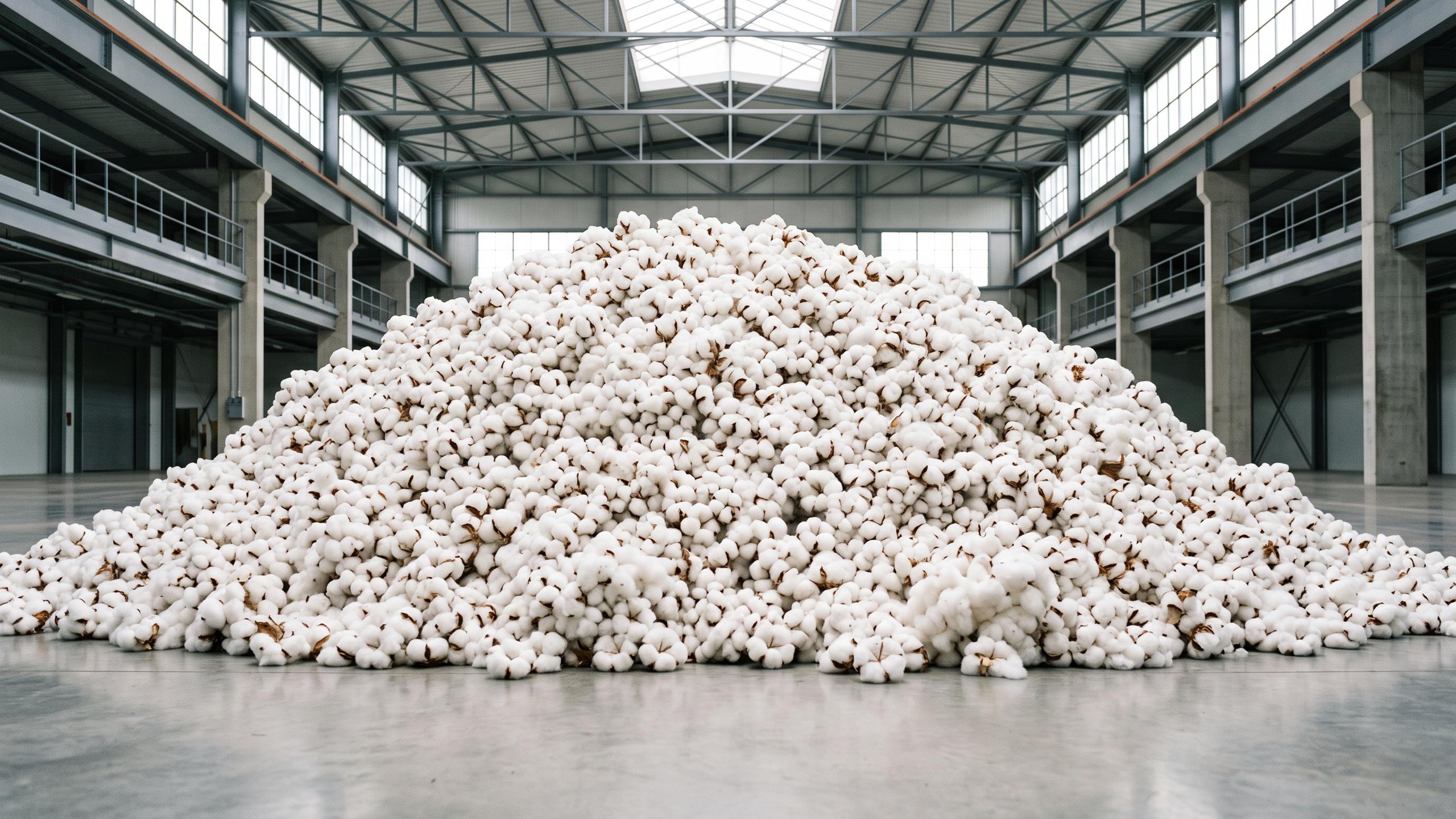
The core of the issue lies in a significant policy decision and a looming supply-demand gap. To stabilize soaring domestic cotton prices, the Indian government waived the 11% import duty on cotton from June 1 to October 31, 2026. This move was designed to help textile mills by lowering the cost of raw materials. However, the situation is far from simple. Domestic cotton production for 2026-27 is expected to be around 29 million bales, falling well short of the industry's demand of more than 34 million bales. This projected shortfall is keeping local prices firm. As the October 31 deadline for the duty-free window approached, prices began to spike again in anticipation of the duty being reimposed, causing significant concern among textile manufacturers. Recent reports suggest the government is now expected to extend the duty-free period through December to curb prices and ease the pressure on mills.
From Field to Fabric: Why Cotton Costs Matter
Cotton is the backbone of India's massive textile industry, which is the country's second-largest employer. Any fluctuation in the price of this fundamental raw material creates a ripple effect across the entire value chain. When cotton becomes more expensive for spinning mills, the yarn they produce costs more. This, in turn, increases the cost for fabric weavers and processors. Finally, the garment manufacturers who stitch our clothes face higher input costs. In a competitive global market where Indian manufacturers compete with nations like Bangladesh and Vietnam, which often have lower raw material costs, a high domestic cotton price can severely blunt their edge. The Confederation of Indian Textile Industry (CITI) has been a vocal advocate for stable, long-term policies, arguing that access to competitively priced cotton is critical for the health of the entire sector.
The Squeeze on India's Textile Mills
Textile mills are caught in the middle. They face a domestic market where cotton prices remain stubbornly high despite policy interventions. For the 2026-27 season, domestic prices have been hovering above the government-set minimum support price (MSP). This is partly because farmers, anticipating strong demand and a potential shortfall, are holding back stocks in the hope of securing better prices. For the textile industry, this creates a difficult choice: absorb the rising costs and accept lower profit margins, or pass the expense on to their buyers—the apparel brands and retailers. Many mills argue that without access to cheaper imported cotton, their competitiveness suffers, making it harder to fulfill both domestic and export orders. This has led to urgent calls from industry bodies to remove the import duty permanently, not just for a few months, to ensure stability.
Retailers and Brands Face a Difficult Choice
Ultimately, the pressure lands on the brands and retailers that stock your favourite stores. They must decide whether to increase the prices on their shelves. While wholesale prices for manufactured textiles have seen a significant yearonyear increase of over 12%, the price rise for finished apparel has been much lower, at around 3%. This suggests that, for now, many brands and retailers are absorbing the bulk of the cost increase to avoid deterring customers. However, this strategy is not sustainable indefinitely. With other costs like labour and rentals also rising, some brands may be forced to implement price hikes of 10–15%. The Indian apparel market is growing robustly, expected to reach over $146 billion by 2029, but this growth relies on consumers continuing to spend. A sharp, sudden increase in clothing prices could put a brake on that momentum.
What This Means for Your Wardrobe
So,' will your clothes get more expensive? The short answer is:'the pressure is mounting.' While you may not see a dramatic,' overnight spike in prices across all stores,'the underlying costs for making those clothes are undeniably rising.' For now,' clothing inflation has been running below the headline rate in India.' However,'the gap between rising textile costs and stable retail prices cannot last forever.' Consumers should brace for the possibility of moderate price increases in the coming months,' particularly for cotton-'heavy items.' The government's decision on extending the cotton import duty waiver will be a key factor to watch.' If duties are reimposed and domestic cotton prices remain high,' brands will have little choice but to pass at least some of that cost on to you,'the final customer.'