



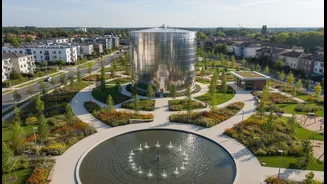


A Facelift for a Historic Landmark
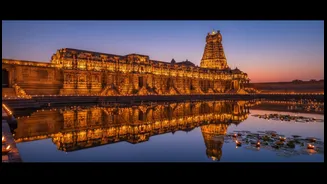
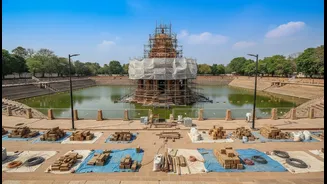
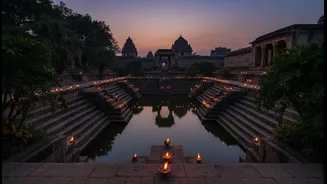
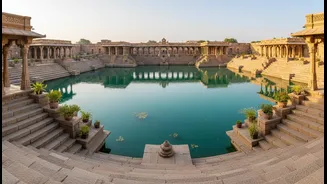
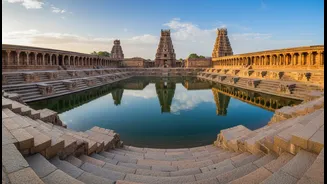
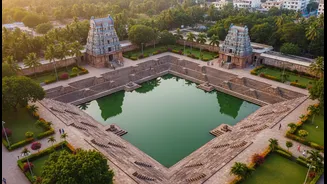
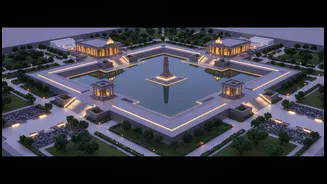
The immediate plan for the Teppakulam, a site famous for its annual float festival, is ambitious. According to recent proposals by local officials, the area is set to be redeveloped into a premier tourism hub. The vision includes installing vibrant, colourful
lighting around the massive tank to highlight its architectural grandeur and creating dedicated viewing areas. The goal is to turn the space into a venue for cultural programmes and public events, transforming it from a passive landmark into an active destination. For years, residents and devotees have called for improvements, citing issues with cleanliness and unregulated commercial activity that affected the visitor experience. This new plan aims to address these concerns directly, promising a cleaner, more organised, and visually appealing environment for both tourists and locals.
Creating a New Public Experience
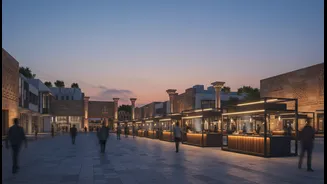
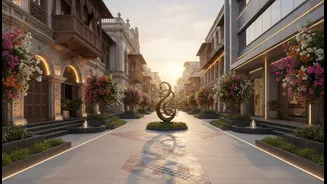
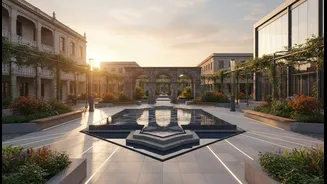
A significant part of the proposed revamp involves reorganising the space around the tank. Currently, numerous shops and eateries operate along its periphery, often leading to congestion and issues with waste disposal. The new initiative suggests relocating these vendors to a dedicated, hygienic food street equipped with proper parking and sanitation systems. This move is designed to declutter the immediate vicinity of the sacred tank, allowing visitors to enjoy unobstructed views and cleaner pedestrian pathways. This strategic relocation is not just about aesthetics; it's about enhancing the overall public experience. By creating a structured commercial area nearby, the plan aims to preserve the sanctity and serenity of the Teppakulam while still supporting local businesses and providing amenities for visitors.
The Bigger Picture: Madurai's Tourism Master Plan
The Teppakulam revamp doesn't exist in isolation. It’s a crucial component of Madurai's broader ambition to elevate its status as a world-class tourism and heritage destination. For years, experts have noted that while Madurai is a major pilgrimage site centered on the Meenakshi Amman Temple, its full potential for historical and cultural tourism remains under-explored. The Teppakulam project, along with renewed attention on sites like the Thirumalai Nayakkar Mahal, signals a strategic shift. This initiative is part of a larger effort, often linked to the Smart City Mission, to create a more integrated “heritage loop” that encourages tourists to extend their stay and explore beyond the main temple. The recent declaration of Madurai Airport as an international airport further underscores this strategy, aiming to boost international arrivals and stimulate the regional economy.
Balancing Modernity with Ancient Heritage
Upgrading a site as historically and religiously significant as the Teppakulam—built by King Thirumalai Nayak in 1645—is a delicate balancing act. The challenge lies in introducing modern amenities and attractions, like decorative lighting and event infrastructure, without diminishing the site's profound cultural and spiritual importance. The tank is not just a tourist spot; it's the heart of the annual Teppotsavam (Float Festival), a tradition deeply woven into the city's identity. The success of the project will hinge on its ability to enhance the visitor experience while respecting the site's heritage. The goal is to attract more visitors and create new revenue streams through tourism, but also to preserve the Teppakulam's soul, ensuring it remains a cherished space for devotees and a source of pride for the city for generations to come.