







What is Zone 2 Cardio?
Fitness experts categorise exercise intensity into five heart rate zones. Zone 1 is very light activity, like a casual walk, while Zone 5 is an all-out sprint. Zone 2 is the sweet spot in between, typically sitting at 60-70% of your maximum heart rate.
It's often called the “conversational pace” because you should be able to speak in full sentences without gasping for air. This low-intensity, steady-state (LISS) training is about maintaining a consistent, moderate effort for a longer duration, usually 30 minutes or more. Instead of pushing to your absolute limit, the goal is to stay in a state that feels comfortably challenging, building a deep and durable base of fitness over time.
The Engine Room: Why Zone 2 Boosts Cardio Fitness
The magic of Zone 2 training happens at a cellular level. Working out at this intensity primarily trains your body to become more efficient at using fat for fuel, rather than relying on more limited carbohydrate stores. This process improves the function and density of your mitochondria, which are the tiny “powerhouses” inside your cells responsible for generating energy. A greater number of efficient mitochondria means your body can produce more energy aerobically (with oxygen), allowing you to sustain effort for longer before fatigue sets in. Over time, this builds a strong aerobic foundation, which can lower your resting heart rate and improve overall cardiovascular health. This strong base not only enhances your endurance for longer workouts but also helps you recover faster from higher-intensity efforts.
Rowing: The Ideal Low-Impact Partner
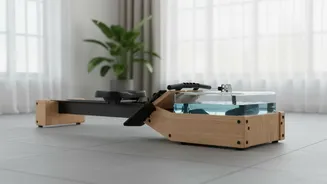
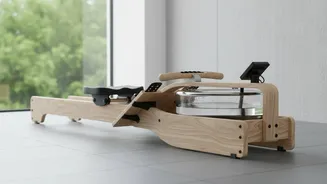
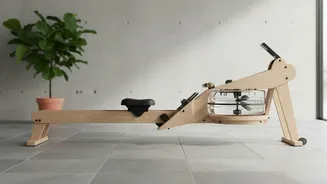
While many activities like brisk walking or cycling can be done in Zone 2, rowing is exceptionally well-suited for this type of training. First and foremost, it is a low-impact exercise. Unlike running, which involves repetitive pounding on the joints, rowing involves a smooth, fluid motion that is non-weight-bearing. This significantly reduces stress on the knees, ankles, and hips, making it an excellent option for people with joint concerns, those recovering from injuries, or anyone looking for a sustainable, long-term fitness solution. Furthermore, rowing engages over 85% of the body's muscles in every stroke, including the legs, core, back, and arms. This full-body engagement spreads the workload, preventing any single joint or muscle group from becoming overstressed while providing a highly efficient cardiovascular workout.
How to Find Your Zone on the Rower
To start Zone 2 rowing, you first need to identify your personal heart rate range. The simplest method is the age-based formula: subtract your age from 220 to get your estimated maximum heart rate (MHR). Then, calculate 60% and 70% of that number to find your Zone 2 range. For example, a 40-year-old would have an estimated MHR of 180, making their Zone 2 range approximately 108 to 126 beats per minute. For a more practical approach, use the “talk test”. While rowing, you should be able to hold a conversation. If you can only manage a few words at a time, you're likely working too hard. If you can sing easily, you may need to increase your intensity slightly. On the rower, focus on maintaining a consistent stroke rate, often recommended to be below 22 strokes per minute for Zone 2, to keep your heart rate from climbing too high.
Structuring Your Workout for Success
The key to reaping the benefits of Zone 2 training is consistency and duration. Aim for two to three Zone 2 sessions per week, with each workout lasting between 30 and 60 minutes. A typical session would involve a 5-minute warm-up, followed by your main set of steady rowing within your target heart rate zone, and finishing with a 5-minute cool-down. The focus isn't on speed or power, but on maintaining that steady, conversational effort. You can track your heart rate with a chest strap or smartwatch to ensure you stay within your calculated zone. Because Zone 2 is less taxing on the body, recovery is quicker, allowing you to train more consistently without risking burnout or overtraining. This makes it a powerful and sustainable tool for building long-term health and fitness.