

Goodbye to the 'Guest Room'
For decades, many Indian homes featured a pristine, untouchable living room. It was the 'drawing room', a formal space reserved for entertaining guests, often located near the entrance to maintain the privacy of the rest of the house. Furnished with the best
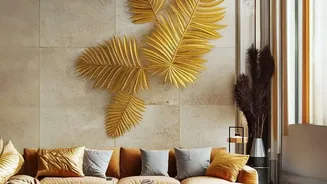
sofa set and elaborate decor, it was a room designed to impress, not to be lived in. This space often became a domestic museum, dusted regularly but rarely used, a symbol of affluence rather than a functional part of the home. Today, this concept is rapidly fading as families reclaim this prime real estate for daily life, marking a significant departure from a tradition rooted in colonial-era sensibilities and a more formal social culture.
The Drivers of a Great Merge
Several forces are driving this transformation. Urbanisation and rising real estate costs mean that for many, homes are more compact, making a single, underutilised room an unaffordable luxury. The pandemic acted as a major catalyst, forcing millions to adapt their homes into offices, classrooms, and gyms overnight. This accelerated a pre-existing trend towards more fluid living. With many professionals continuing to work from home, the need for dedicated or flexible workspaces has become permanent. A 2022 study highlighted that nearly half of respondents had converted their bedrooms or living rooms into work areas during the pandemic. This mass adaptation broke the rigid zoning of the home and demanded that every square foot earn its keep.
Hallmarks of a Modern Hub
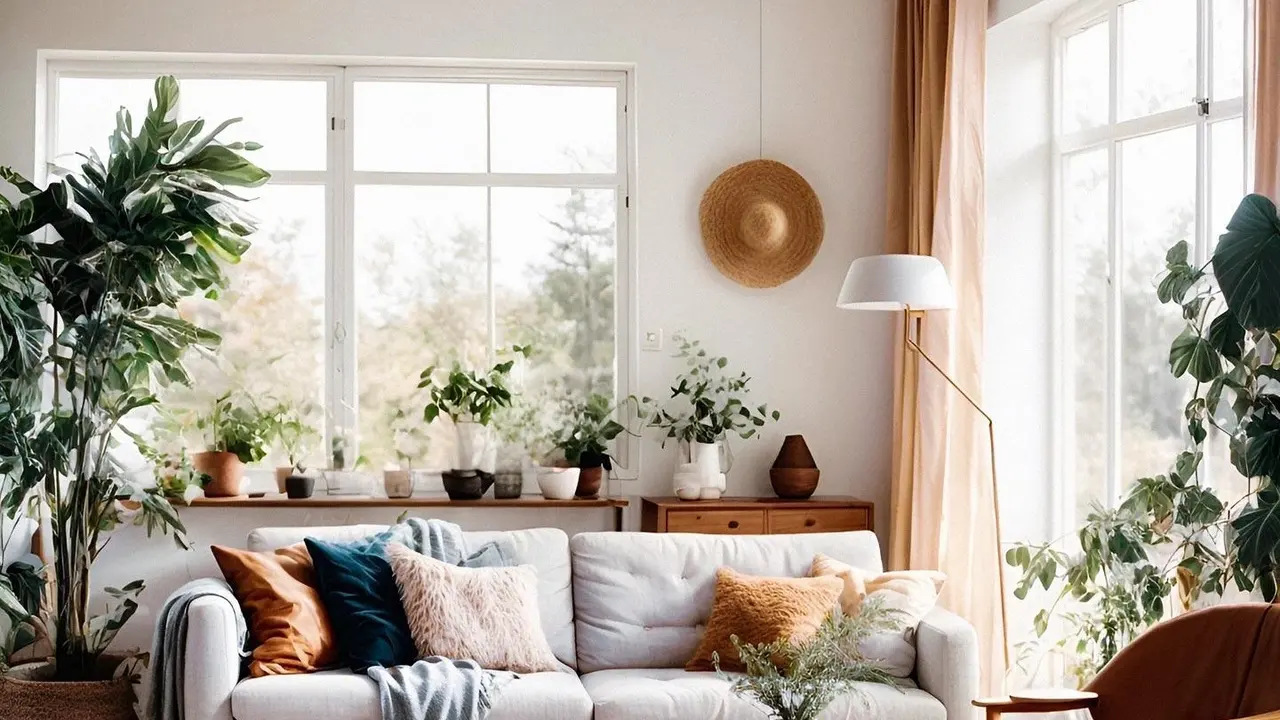
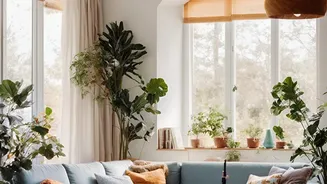
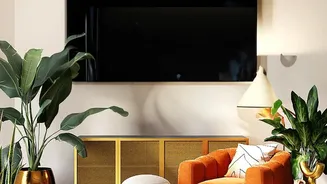
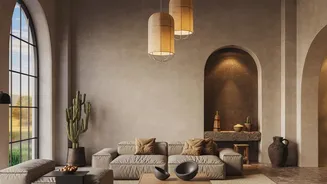
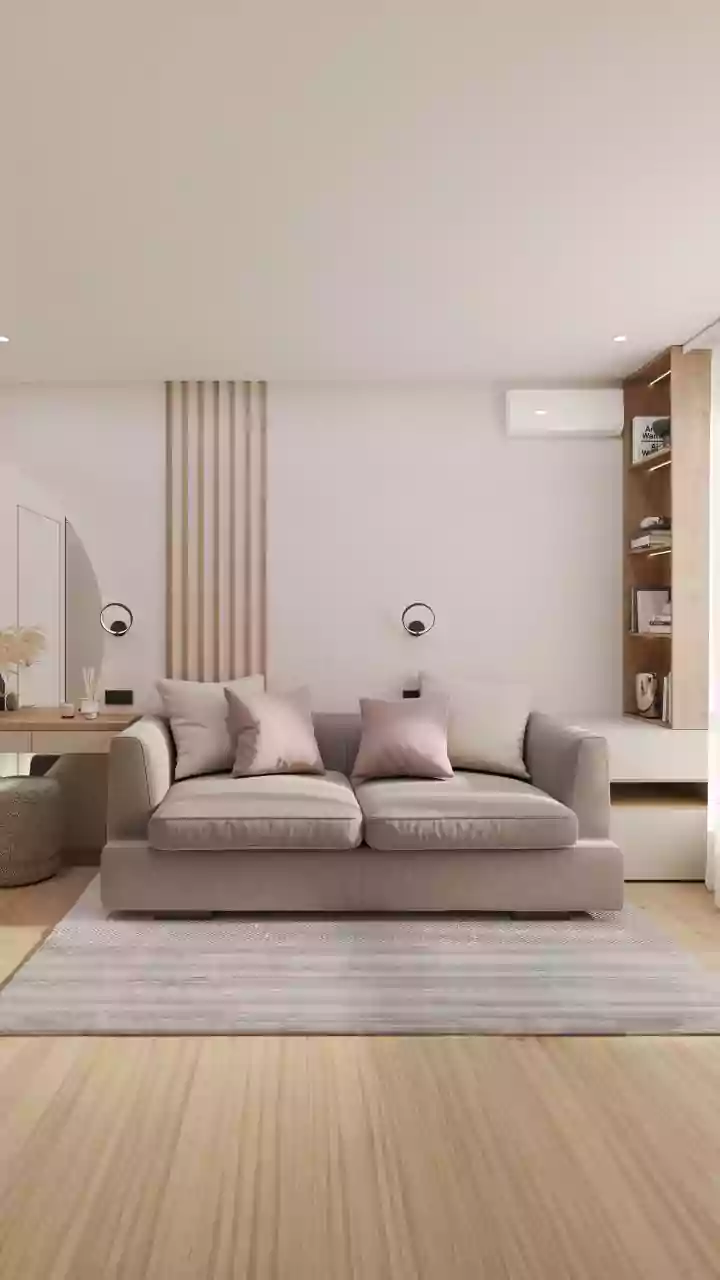
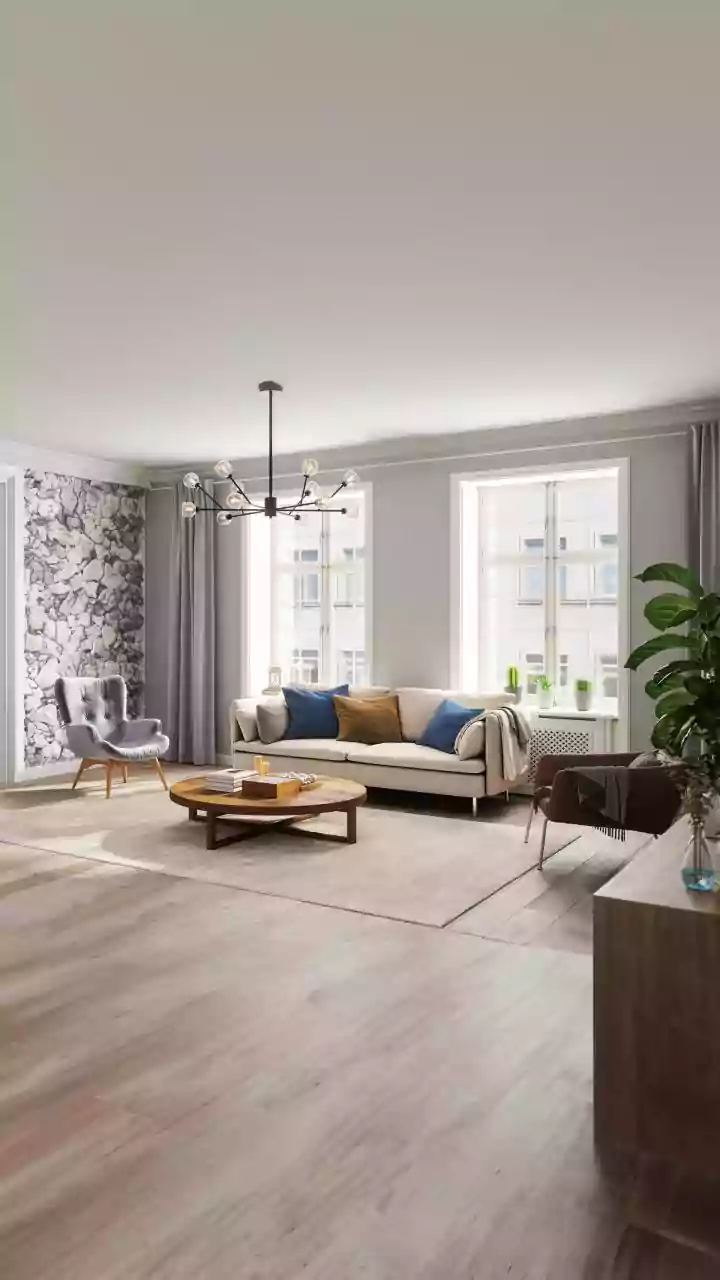
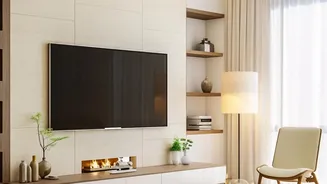
The new Indian living room is a masterclass in flexibility. Its defining feature is multifunctionality, often achieved through smart design choices. Open-plan layouts that merge living, dining, and even kitchen areas are increasingly common, creating a sense of spaciousness and encouraging social interaction. Furniture is no longer static; it's adaptable. Sofa-beds, extendable dining tables, and coffee tables with hidden storage are now staples. Zoning with furniture, such as using a bookshelf to partition a study nook or a rug to define a seating area, creates distinct 'rooms' within a room without building walls. Technology is seamlessly integrated, with smart lighting to change the mood, and hidden charging ports to reduce clutter. The aesthetic has also shifted from ornate to what designers call 'warm minimalism'—clean lines, neutral palettes, and natural materials that create a calm, uncluttered environment.
A New Social and Design Blueprint
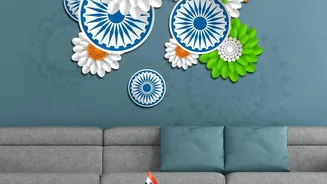
This shift is more than just a trend in interior design; it reflects a deeper cultural change. The move away from the formal drawing room signals a move towards a more relaxed and authentic style of socialising. It prioritises the comfort of the family over the performance of hosting. The focus is now on creating atmosphere rather than just displaying wealth. This doesn't mean a rejection of Indian aesthetics. In fact, a popular trend is the 'Indian Modern' fusion, which combines contemporary layouts with traditional elements like jaali screens, handwoven textiles, and brass accents, creating spaces that are both global in their functionality and distinctly Indian in their soul. It's a design language that values experience over exhibition, crafting a home that is meant to be truly lived in.