







Embrace Warm, Cooked Foods
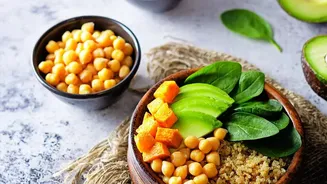
During the rainy season, your digestive fire, or 'agni' as it's known in Ayurveda, tends to be weaker. This makes it harder for your system to process heavy or raw foods. Opt for light, warm, and freshly cooked meals. Think steamed vegetables, warm soups,
and simple dishes like khichdi. Vegetables that grow during this season, like bottle gourd (lauki), bitter gourd (karela), and Indian round gourd (tinda), are excellent choices as they are light and easy to digest. Cooking your food helps kill bacteria and germs that thrive in the damp, humid weather, reducing the risk of stomach infections.
Power Up with Immunity-Boosting Spices
Your kitchen spice box is a treasure trove of immunity-boosting power. Turmeric (haldi), with its active compound curcumin, has powerful anti-inflammatory and antibacterial properties. Ginger (adrak) is another monsoon staple, known for fighting colds, coughs, and aiding digestion. Garlic, with its natural antiviral qualities, can help your body fend off common monsoon infections. Spices like black pepper and cinnamon not only add warmth and flavour but also help fire up a sluggish metabolism. A simple way to incorporate these is by adding them generously to your curries, dals, and brewing herbal teas.
Enjoy Seasonal Fruits
Nature provides the perfect fruits to keep you healthy during the rains. Jamun is a low-calorie monsoon favourite packed with iron, potassium, and vitamins. Peaches, plums, pears, and cherries are also abundant and loaded with antioxidants and Vitamin C, which is crucial for producing the white blood cells that fight infection. Papaya is another excellent choice; it contains an enzyme called papain that aids in protein digestion and helps prevent bloating, a common issue during this season. Amla, or Indian gooseberry, is one of the richest sources of Vitamin C available and a potent immunity booster.
Focus on Gut Health with Probiotics
A healthy gut is directly linked to a strong immune system. The monsoon can be tough on your digestive tract, so including probiotics in your diet is essential. Homemade curd (yoghurt) and buttermilk (chaas) are excellent sources of good bacteria that protect your digestive system and help it run smoothly. These foods help maintain a healthy balance of gut flora, which is your body's first line of defence against pathogens that can enter through contaminated food or water. Enjoy a bowl of curd with your lunch or a glass of spiced buttermilk in the afternoon.
Sip on Herbal Teas and Warm Drinks
Swapping cold, carbonated drinks for warm herbal teas is one of the best things you can do for your health during the monsoon. Teas brewed with tulsi (holy basil), ginger, mint, and lemon are not only comforting on a rainy day but also packed with antioxidants that fight infections and soothe the respiratory system. A cup of warm turmeric milk (haldi doodh) before bed is an age-old remedy to bolster your body's defences. Staying hydrated with warm water and these herbal infusions helps flush out toxins and keeps your digestive system happy.
Choose Light and Lean Proteins
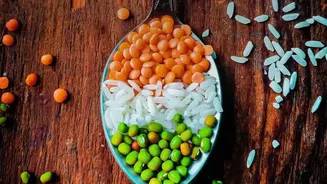
Heavy proteins like red meat can be hard on a sluggish digestive system. Instead, opt for lighter, easily digestible proteins. Pulses like moong dal, masoor dal, and toor dal are excellent choices. They are nourishing without being heavy. Khichdi, made from rice and moong dal, is considered an almost perfect monsoon meal in Ayurveda because it's balanced, easy on the stomach, and provides complete protein. If you eat non-vegetarian food, well-cooked chicken in a stew or soup is a better option than heavy, fried preparations.