



The Old SPF Struggle
Many of us have a complicated history with sunscreen. Traditional formulas were often heavy, sticky, and uncomfortable, especially in India's hot and humid climate. These thick creams could feel suffocating, trap sweat, and mix with the skin's natural
oils to create a greasy mess. For those with oily or acne-prone skin, this often led to clogged pores and breakouts. Another major issue, particularly for Indian skin tones, was the dreaded white cast—a chalky or ashy residue left by mineral filters like zinc oxide. This cosmetically unappealing finish made daily application a frustrating experience, causing many to skip this crucial skincare step altogether.
The Lightweight Revolution
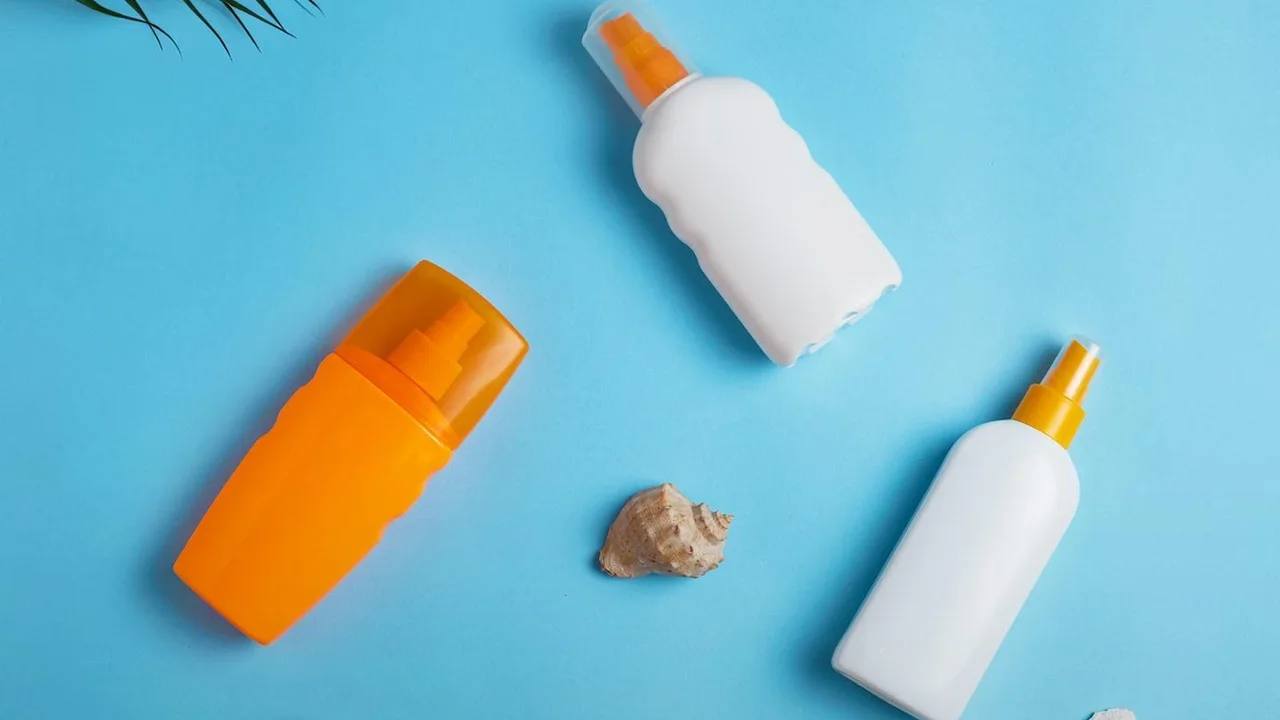
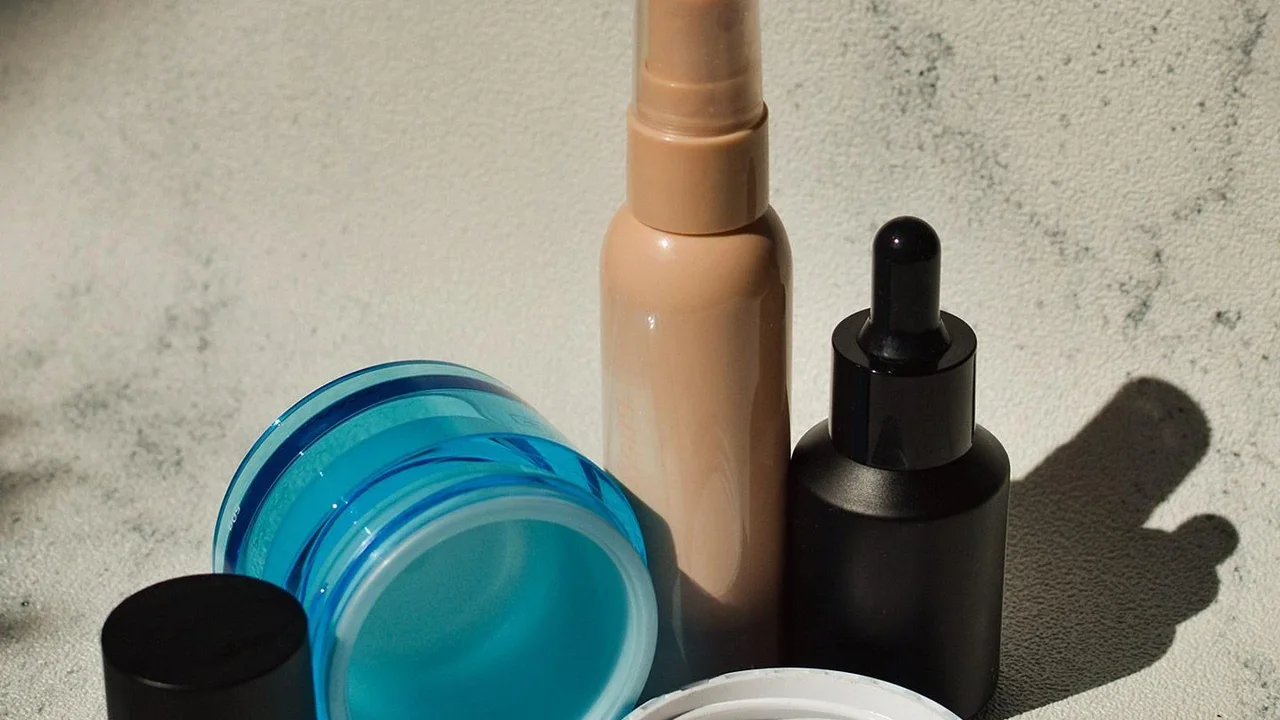
Thankfully, cosmetic science has evolved. Today’s lightweight sunscreens deliver powerful sun protection without the uncomfortable side effects. These modern formulas are often water-based or use advanced technologies to feel breathable and absorb quickly, leaving a barely-there finish. Innovations in texture have led to a variety of elegant options, including fluids, gels, serums, and even mists, that feel more like skincare than traditional sunblock. These new-age products are designed to be cosmetically elegant, meaning they feel good on the skin, layer seamlessly under makeup, and don't leave behind a greasy feel or a visible white cast. Dermatologists agree that the best sunscreen is the one you'll actually use every day, and these comfortable formulas make that goal much easier to achieve.
From Serums to Gels: Find Your Finish
The beauty of the new SPF era is the variety of textures available, allowing you to choose a formula that suits your specific skin type and preference. Gel sunscreens are typically oil-free and absorb quickly, making them an excellent choice for oily and acne-prone skin as they often provide a matte or non-greasy finish. Sunscreen serums offer a silky, ultra-light feel and can be packed with hydrating ingredients, feeling more like a treatment than a protective layer. Creams and lotions have also been updated; modern versions for dry skin offer hydration without the heaviness of older formulas. For reapplication, especially over makeup, SPF mists are a game-changer, allowing for a quick top-up without disturbing your look.
What to Look for on the Label
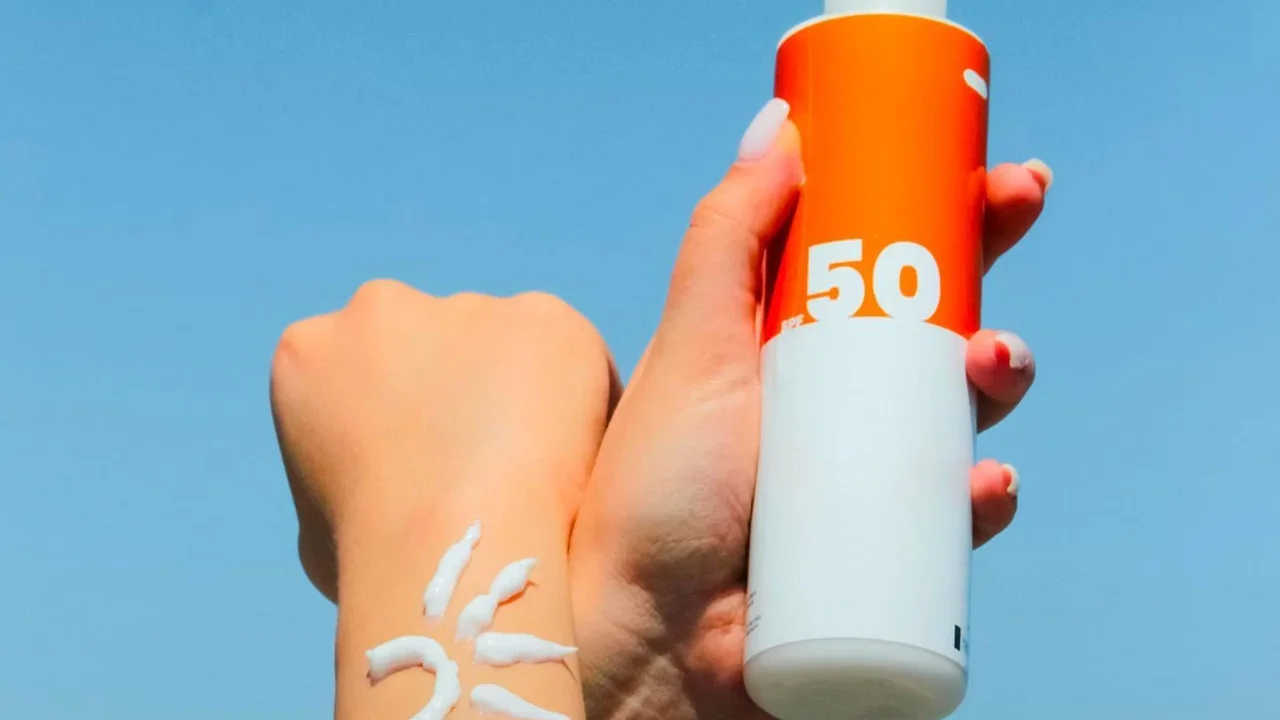
Beyond texture, a few key terms on the label will ensure you're getting effective protection. Always choose a 'broad-spectrum' sunscreen, which protects against both UVA (aging) and UVB (burning) rays. For daily use in India, experts recommend an SPF of 30 or higher, with SPF 50 being the ideal standard for those who spend any time outdoors. Also, look for a PA rating of 'PA+++' or 'PA++++', which indicates the level of UVA protection—crucial for preventing pigmentation and tanning. Finally, terms like 'non-comedogenic' mean the product is formulated so it won't clog pores, a key feature for anyone with oily or combination skin.
Making Daily Protection a Habit
Incorporating sunscreen into your daily routine is the most effective way to prevent premature aging and reduce skin cancer risk. Apply it as the last step of your morning skincare, after your moisturizer and before any makeup. A common mistake is not using enough; the general guideline is the 'two-finger rule'—squeeze sunscreen along the length of your index and middle fingers to get the right amount for your face and neck. Allow it to absorb for a few minutes before applying makeup. Remember that even on cloudy days or when you are indoors near windows, harmful UVA rays can still reach your skin, making daily protection a non-negotiable step for long-term skin health.