
Alleppey: The Famous Floating City
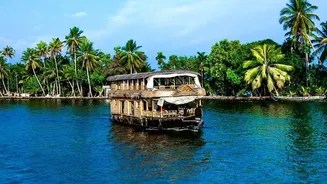
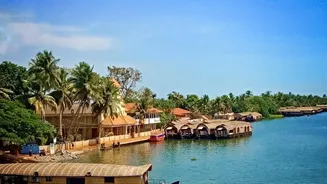
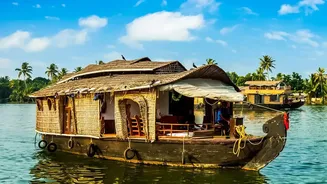
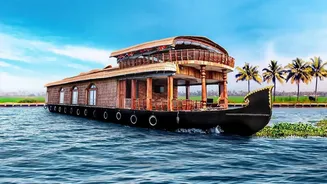
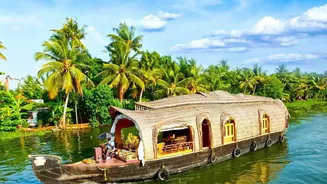
Alleppey, or Alappuzha, is undeniably the king of the Keralan backwaters. It is the main hub, a bustling starting point for the iconic houseboat cruises that glide across the expansive Vembanad Lake. These floating hotels range from modest single-room
vessels to luxurious, multi-story behemoths, complete with air-conditioned rooms, full kitchens, and viewing decks. The appeal is obvious: you check in, unpack once, and let the scenery drift by. The journey offers a front-row seat to life along the wider canals, showcasing a vibrant, if busy, waterway dotted with countless other boats and fishermen. However, this popularity has come at a cost. The main channels can feel congested, like a floating traffic jam, and the experience can sometimes feel more commercial than cultural.
Munroe Island: The Quiet Alternative
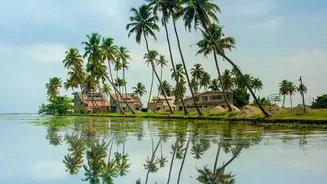
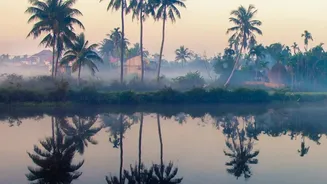
A world away from the bustle of Alleppey lies Munroe Island, or 'Munroethuruthu'. This cluster of eight small islands, nestled at the confluence of the Ashtamudi Lake and the Kallada River, offers a drastically different backwater experience. It’s a place praised for its serenity and off-the-beaten-path appeal. Here, the primary mode of exploration is not a large houseboat, but a small, country canoe. This allows you to navigate the incredibly narrow, winding canals that are completely inaccessible to the larger vessels of Alleppey. The result is a more intimate and peaceful journey, where the only sounds are the paddle dipping into the water and the chirping of birds.
The Great Divide: Cost and Value
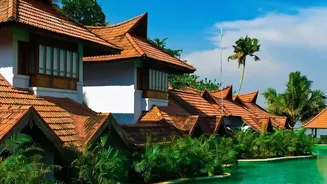
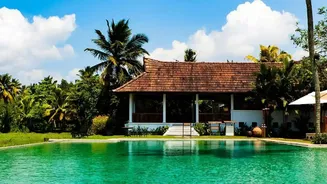
One of the most significant differences between the two destinations is the cost. An overnight stay on a private houseboat in Alleppey can be a considerable expense, often representing a major chunk of a traveller's budget for Kerala. While packages typically include all meals, the price reflects the novelty and infrastructure of the large boats. In contrast, Munroe Island is championed as a more affordable option. Accommodation is primarily in homestays, run by local families who offer a warm, hospitable experience. These stays are not only gentler on the wallet but also provide a direct line to local culture and cuisine. A canoe tour, which is the main activity, is also significantly cheaper than a houseboat rental, offering what many feel is better value for money.
Authenticity: Tourist Hub vs. Village Life
While Alleppey offers glimpses of local life, its core industry is tourism. The experience is curated for visitors, and genuine interaction can sometimes be limited. Munroe Island, on the other hand, provides a deeper immersion into the local way of life. Staying in a homestay means eating home-cooked Keralan food, interacting directly with your hosts, and observing daily routines up close. Beyond the canals, you can explore the island by foot or bicycle, witnessing traditional coir-making, fishing, and farming. This allows for a more authentic connection to the place and its people, moving beyond the passive sightseeing of a houseboat deck. It’s an opportunity to see a community, not just a landscape.
The Environmental Question
The boom in Alleppey's houseboat industry has raised serious environmental concerns. The sheer number of boats, many of them unregistered, has led to issues of overcrowding and pollution. Waste and sewage disposal from the hundreds of houseboats is a significant challenge, impacting the water quality of Vembanad Lake, an important wetland ecosystem. While measures like bio-toilets are being introduced, their regulation remains a problem. The Munroe Island experience, centered on non-motorised canoes and smaller-scale homestays, presents a more sustainable model. It has a lighter environmental footprint and ensures that tourism money more directly supports local families, offering a more responsible way to enjoy the beauty of the backwaters.